What a golf watch actually does
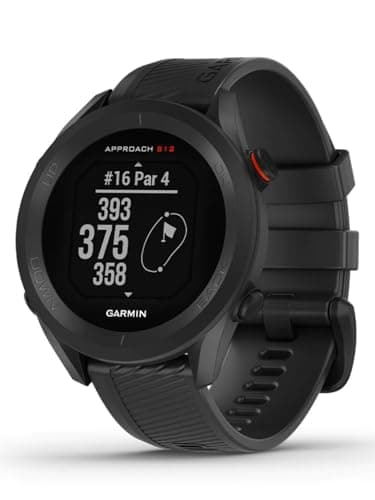
It knows which course they are on and which hole they are standing on, and it shows the distance to the front, middle and back of the green. That is the core function, it works the moment they walk onto the first tee, and for most golfers it is the entire reason to own one.
Everything above that — shot tracking, hazard distances, green undulation, full color hole maps, a virtual caddie — is genuinely useful to some players and completely ignored by others. Which is why the cheapest watch on this page is a better gift for a lot of people than the most expensive one. There is a fuller explanation in what is a golf GPS watch.
Watch or rangefinder? They solve different problems
A rangefinder is a laser device that gives an exact distance to whatever you point it at. A GPS watch gives approximate distances to the green, automatically, without pointing at anything.
The practical difference: a watch is passive and always on, a rangefinder is precise and requires an action. Serious players often carry both. If the golfer already owns a rangefinder and loves it, a watch is a complement rather than a duplicate — but check whether they wanted one before assuming. We compare the two directly in GPS watch versus rangefinder.
The subscription question
This is the trap in the category and it is easy to miss on a product page. Some golf GPS devices include their course library outright; some charge an ongoing fee for full features or updates.
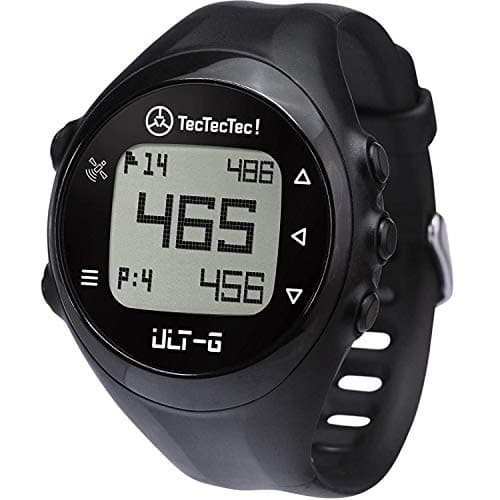
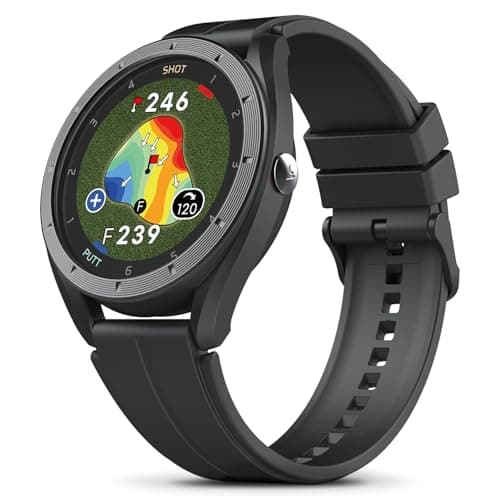
For a gift, that difference matters more than it would for your own purchase, because you are handing someone a device that may quietly ask them for money later. Garmin, TecTecTec and Voice Caddie all publish no-subscription positions on the models here, and the listings state their preloaded course counts. It is worth a thirty-second check on any model you are considering that is not on this page.
Will they wear it off the course?
This is the question that decides the price bracket, and it is a personality question rather than a golf one.
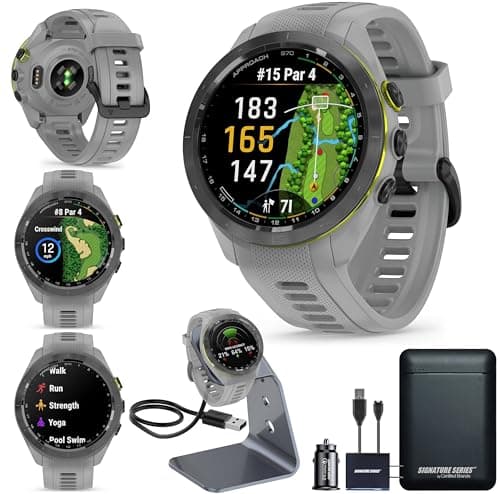
A dedicated golf watch looks like a golf watch: chunky, plastic, obviously sporting. It lives in the golf bag and comes out on Saturdays, and it is completely fine at that. A golf smartwatch with an AMOLED display looks like a normal watch, tracks steps and sleep, and gets worn all week — which is the argument for spending three or four times as much.
If the recipient already wears a smartwatch daily, the expensive golf models are a genuine upgrade. If they wear a mechanical watch or nothing at all, buy the simple one and spend the difference on something else.
Battery, charging and the tech comfort test
Simple GPS watches typically run a full round several times over between charges and use a proprietary clip cable. Smartwatch models do more and therefore last less, especially with a bright color display.
The real consideration is not battery life, it is comfort with the setup. A touchscreen golf smartwatch needs pairing to a phone, an account, an app and occasional firmware updates. For a golfer who enjoys that, it is part of the appeal. For a golfer who does not, it is a beautiful device that sits in a drawer — and the hundred-dollar watch that shows three numbers and nothing else would have been the better present.
Green undulation and the other advanced features
Undulation display — a read of which way the putting surface tilts — is the feature most worth understanding, because it is the one that varies most between brands and price points. Voice Caddie builds it into mid-priced models; the mainstream brands mostly place it higher up the range.
Whether it is worth paying for depends entirely on the golfer. A player who reads greens carefully will use it every round. A player who walks up and hits it will not notice it exists.
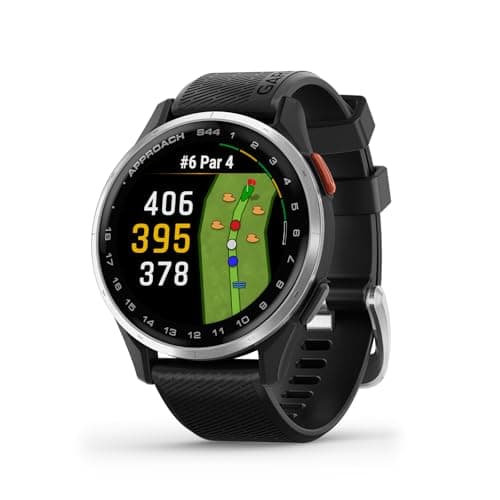
If you have narrowed it to the two Garmins — the plain golf-only one and the one that passes as an everyday watch — Garmin Approach S12 or S44 is that decision on its own page, including the question that actually settles it.
None of these watches is sold in a men's and a women's version, which is worth knowing if you are shopping for a smaller wrist: Garmin publishes the same 125-202mm wrist range across the Approach line and a standard 20mm quick-release band, so the strap is the adjustable part. Best golf watch for women has the published case sizes and weights side by side.