What a beginner actually experiences
It helps to know what the first year of golf is like, because it explains why the obvious gifts are the wrong ones.
A new golfer loses balls constantly — into water, into trees, into places nobody will look for them. They are also acutely aware of the group behind them and worry about being slow. Golf is unusual in that beginners are frequently anxious rather than merely bad, and the gifts that help are the ones that reduce cost and reduce exposure.
Buy consumables, not equipment
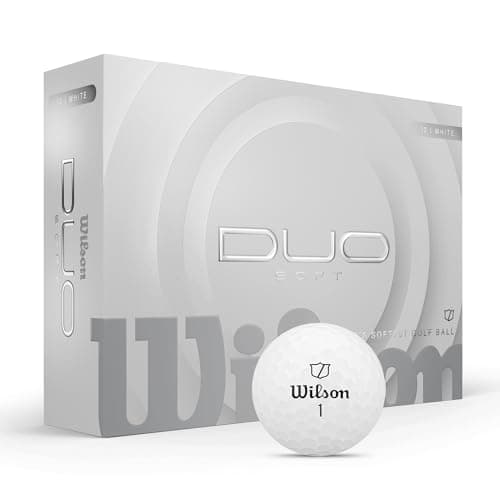
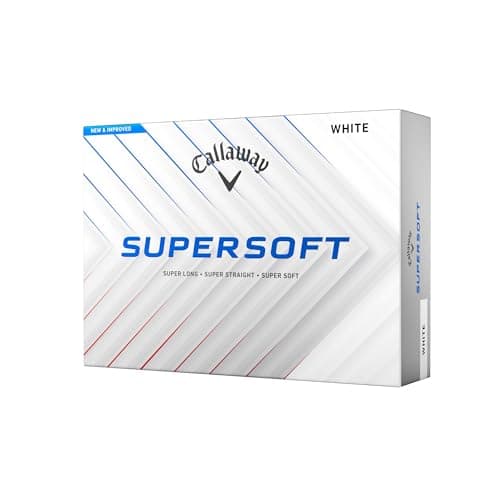
A dozen soft, forgiving golf balls is a better beginner gift than almost anything expensive. Softer balls (manufacturers publish this as "low compression") are more forgiving of an inconsistent swing and feel better off the club, which is most of the enjoyment early on. And when they vanish into a pond, nobody has lost much.
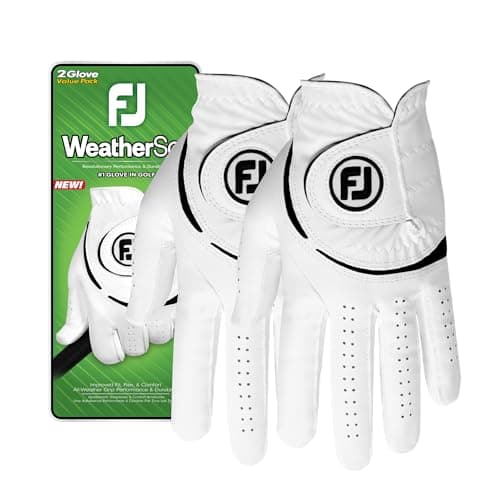
Gloves are the same argument. A two-pack of hard-wearing glovescosts less than one premium leather one and lasts a beginner far longer, because a new golfer's grip is harder on a glove than a good player's is.
Home practice is the highest-value gift here
The thing that actually makes someone less anxious on a golf course is arriving having hit some balls. But driving ranges cost money and take a trip, so most beginners simply don't practice.
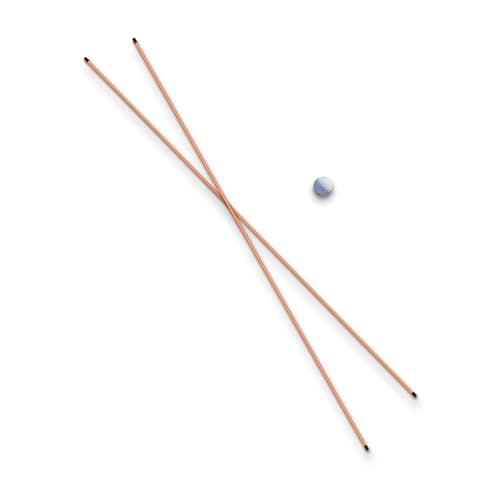
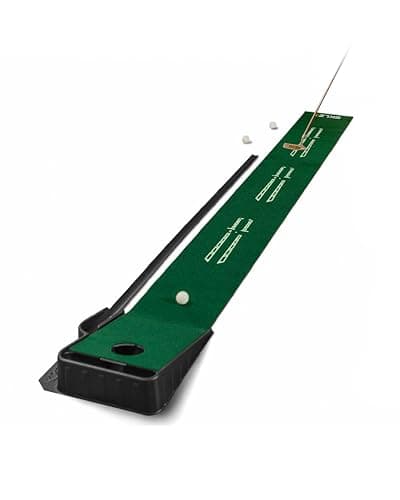
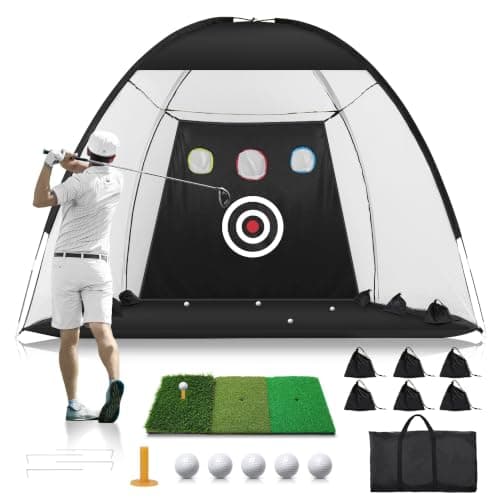
A putting mat or a garden net removes that entirely, and both are private — which for somebody self-conscious about being new is the whole point. Alignment sticks are the cheapest version of the same idea: two rods laid on the ground that show where you're actually aiming, which is one of the most common faults and one of the hardest to see from the inside.
Do not buy clubs
This is the one firm rule. Golf clubs are fitted to a person's height, arm length and swing, and a set bought blind is likely to be wrong in a way the recipient won't be able to diagnose — they'll just play badly and assume it's them.
If someone genuinely needs clubs, the useful gift is a contribution toward a fitting or a starter set they choose themselves. It's less fun to wrap and far more useful.
What about a rangefinder?
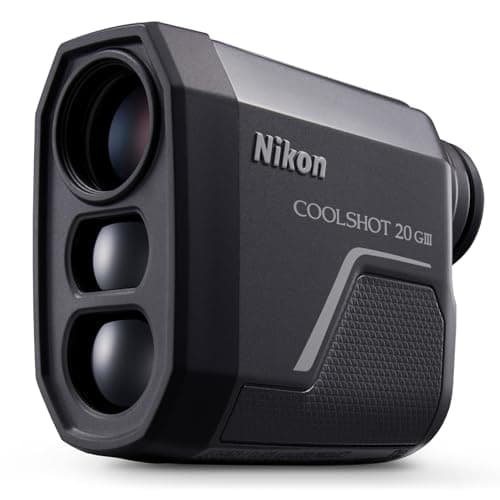
Slightly counterintuitively, a cheap rangefinder is a decent beginner gift — not because a beginner needs precision, but because knowing the distance removes one thing to be unsure about, and speeds up play. The budget modelsare perfectly good for this. Just don't spend flagship money on someone who may not stick with the game.
One thing worth settling before you spend set money: a beginner does not need fourteen clubs, and the piece counts on the boxes are not club counts. How many clubs a beginner needs goes through the seven that matter and what the bigger sets actually buy.
And if you want the one big club rather than a spread of small gifts, the driver is the club beginners most want and the one most easily bought wrong. Best golf drivers for beginners explains why the draw-biased build and a higher loft matter more than the badge on the crown.
If the beginner has a coach, that is a second person to think about and a completely different brief - golf gifts for a golf coach is that page, and are golf lessons a good gift is worth reading before you buy a block of lessons for the beginner themselves, because the logistics decide whether it gets used.