04 / Gear
Golf gear, ranked and explained
Go deep on one category. These are the pages that decide which specific product to buy, with the published specs laid out side by side and a plain reason each one might be wrong for your golfer.
Pick a category
Gear Guides
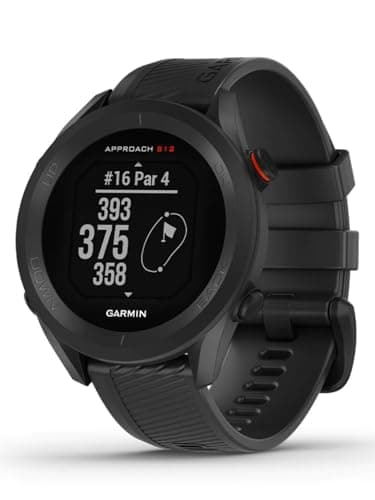
Best Golf Watches
Best golf watches
Front, middle and back distances all round. $110 simple to flagship smartwatch.
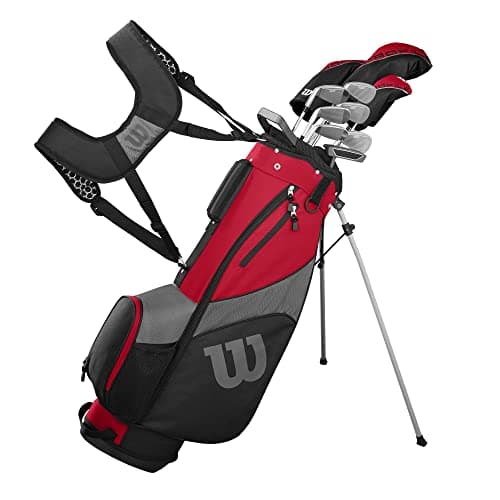
Best Beginner Sets
Best golf sets for beginners
A whole bag in one box — and the handedness trap that ruins the gift.
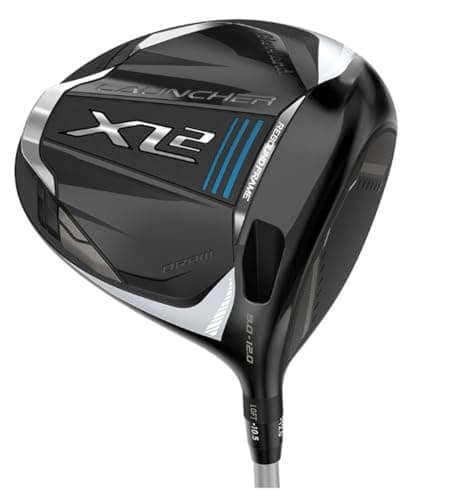
Best Beginner Drivers
Best golf drivers for beginners
Confirm the hand, the flex and the loft - or buy something else. Draw-biased, 10.5 degrees, regular flex.
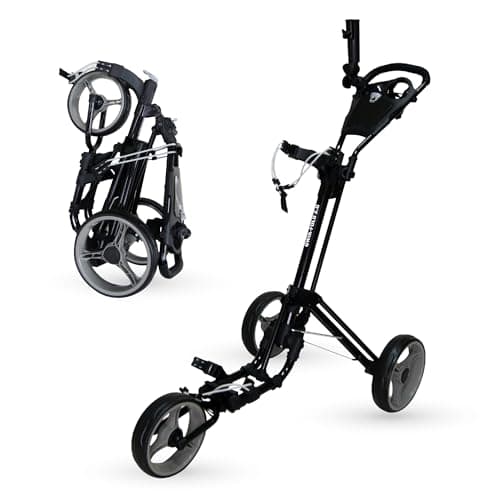
Best Push Carts
Best golf push carts
The fold and the weight decide it, not how it rolls. $100 to $320.
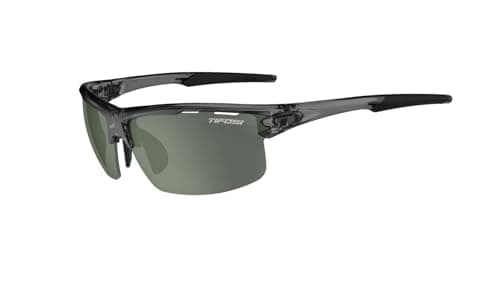
Best Sunglasses
Best golf sunglasses
Golf tints raise ball-against-grass contrast. From $30 to Oakley.
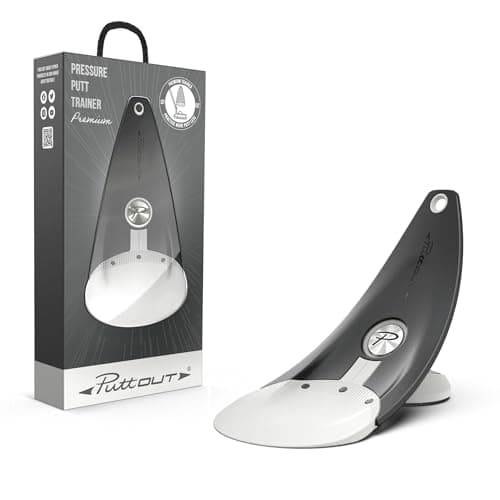
Best Training Aids
Best golf training aids
The aids that actually get used — putting trainers, alignment sticks, a backyard net.
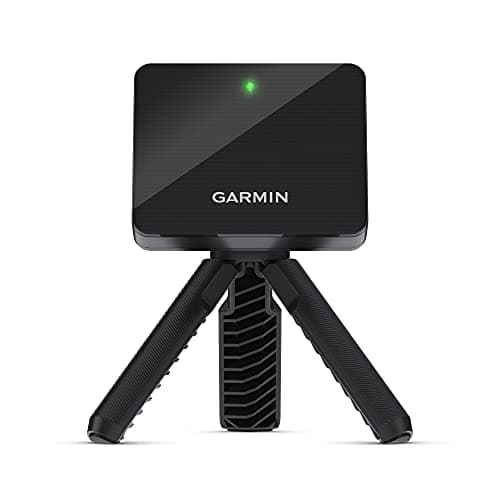
Best Home Simulators
Best home golf simulators
Measure the ceiling before the budget. Launch monitors, sensors and nets.
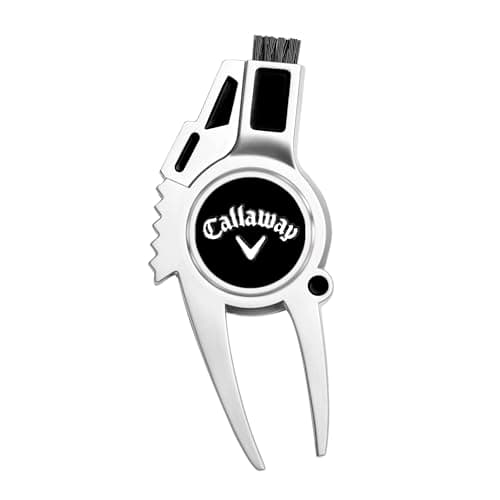
Best Divot Tools
Best golf divot tools
Metal over plastic, magnetic marker in the handle. The safest gift under $25.
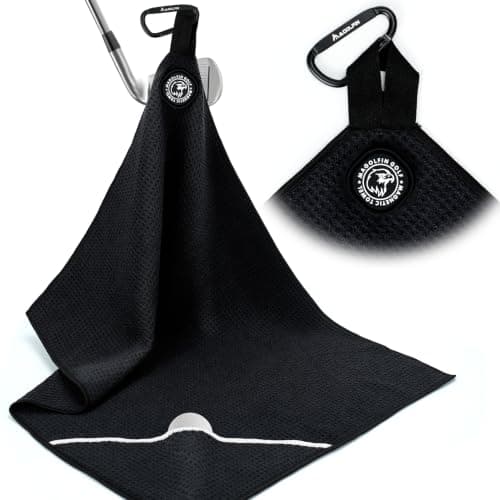
Best Golf Towels
Best golf towels
Waffle weave, and magnetic only if they ride. The best filler gift in golf.
Best Headcovers
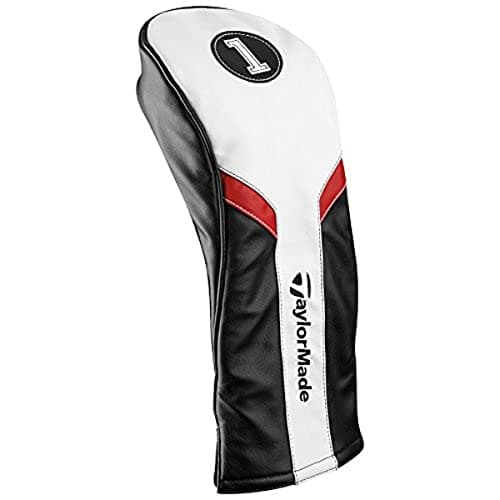
Best golf headcovers
No size, no hand, no fitting - except the putter, which is the one thing to check.
Best Gift Sets
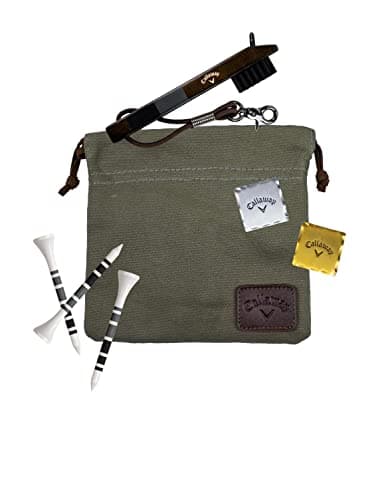
Best golf gift sets
Ignore the piece count - count the items a golfer would actually carry.

Best Umbrellas
Best golf umbrellas
62 to 68 inches with a vented double canopy - everything else is secondary.
Best Golf Books
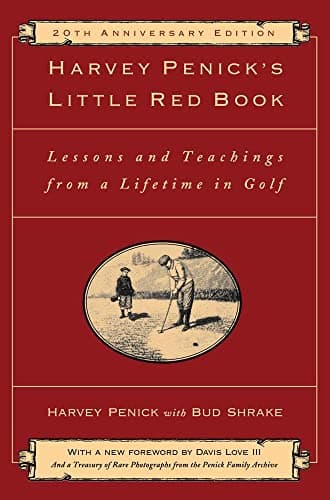
Best golf books to give as a gift
Give a story, not a swing lesson - and check which edition you are clicking.
Best Junior Clubs
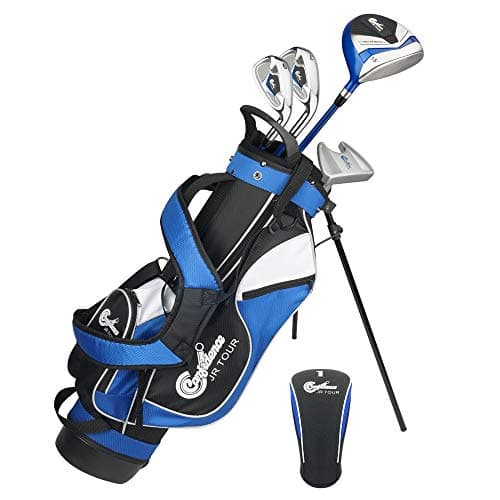
Best junior golf clubs
Buy on the child's height, not the age on the box - that is the whole decision.
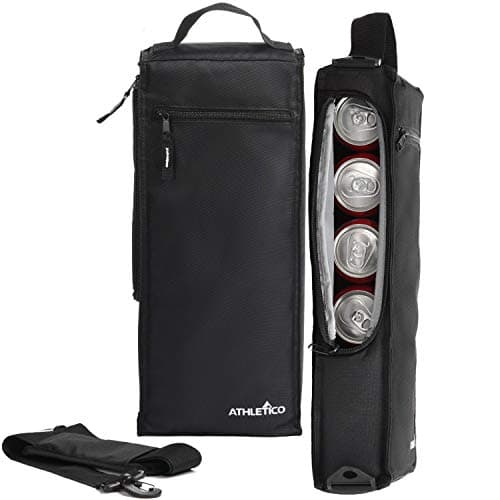
Best Golf Coolers
Best golf cooler bags
Walk or ride decides it, not can count. Six cans on foot, fifteen on a cart - and check the course allows it.
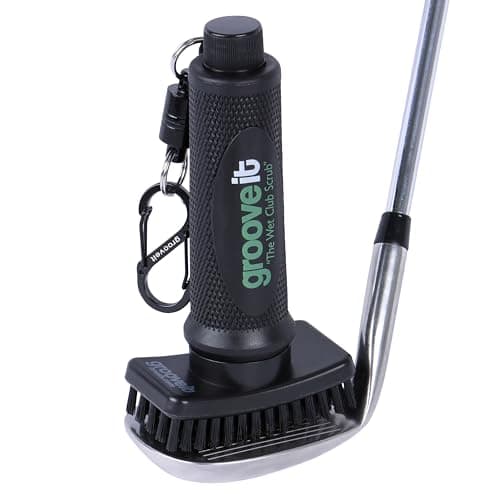
Best Club Cleaners
Best golf club cleaning kits and brushes
Water is the whole decision - a dry brush scrapes, a water brush cleans. Keep the steel side off the driver.
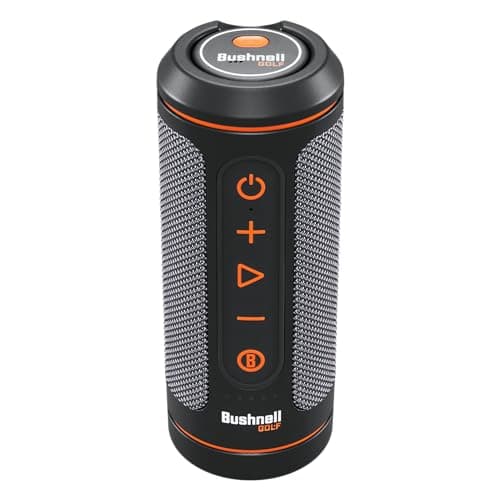
Best Golf Speakers
Best golf speakers
GPS or just music is the whole decision, and the GPS version needs their phone all round. Check the cart frame and the course rules first.
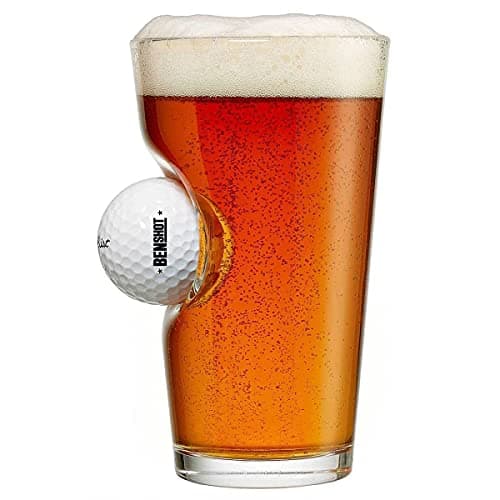
Best Golf Drinkware
Best golf drinkware and whiskey glasses
Built into the glass or printed on it decides everything. Work backwards from what they drink, and check their shelf for a duplicate.
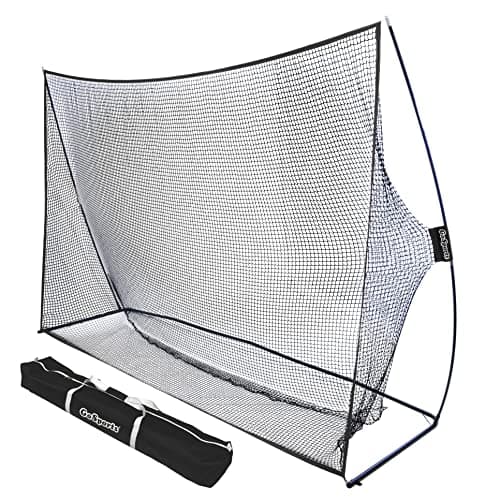
Best Golf Practice Nets
Best golf practice nets
A net catches the ball but gives them nothing to hit off. Three measurements decide which net fits, and a ball return decides whether it gets used.
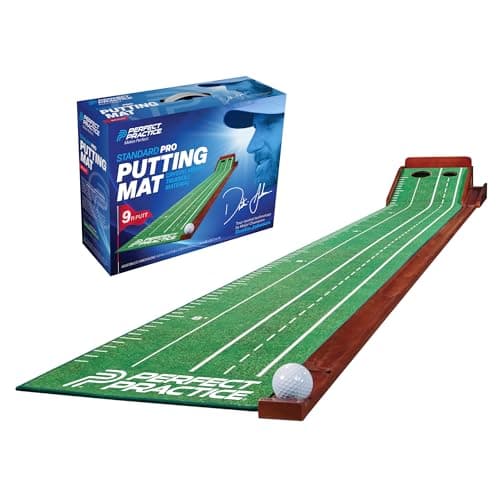
Best Indoor Putting Greens
Best indoor putting greens
Measure the floor, then buy the longest mat that fits - plus a ball return. The narrow second hole is the feature nobody knows to look for.
What to know
How to use this section
Which category is worth going deep on
These categories cover the overwhelming majority of golf gifts, and they divide neatly by what they demand from you as a buyer.
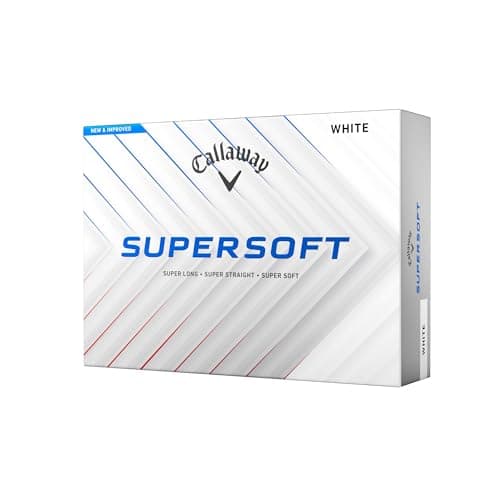
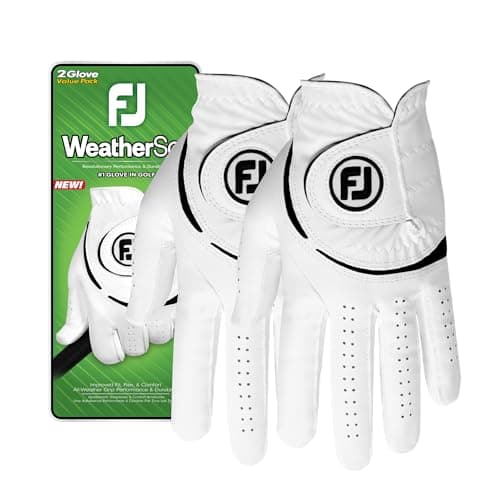
Golf balls and gloves ask almost nothing. No size, no fit, no strong personal preference beyond brand. They're also consumable, which means a duplicate is useful rather than awkward — genuinely rare in a hobby where most gear accumulates. Start here if you know very little about the recipient.
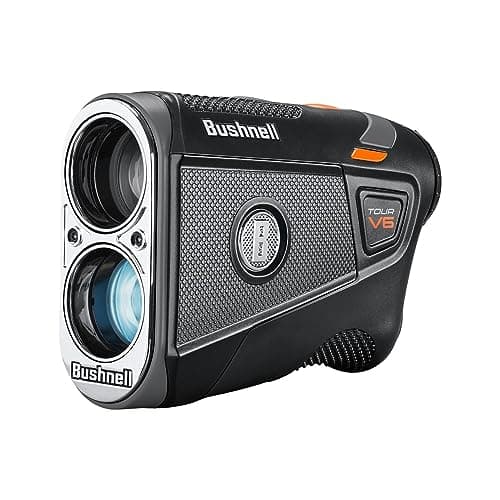
Rangefinders ask one question: do they already own one? They need no size and last for years, which makes them the ideal big gift and also the easiest to duplicate expensively. Check the outside of their bag for a small rectangular pouch.
Bags ask whether they walk or ride. Stand bags and cart bags are not interchangeable, and giving the wrong type is giving someone a downgrade. The tell is fold-out legs.
Shoes ask for a size and a width, which is why we spend most of that page trying to talk you out of it unless you can check a pair in their closet.
Clubs ask for three facts at once - which hand they swing, how fast, and what they already own. That is why best golf drivers for beginners spends as long on the questions as on the clubs, and why a complete set is usually the safer version of the same gift.
And the small stuff asks nothing at all. A club cleaning kit or a golf cooler bag needs no size, no hand and no brand loyalty - the only question on either is whether the golfer walks or rides, and that is a question you can answer by looking at their bag.
And the social half of golf asks even less. Golf speakers split on one question - whether the speaker needs to call out the yardage or just play music - and golf drinkware splits on whether the golf is built into the glass or printed on it. Neither needs a size, a hand or a handicap.
Practice gear asks you to measure a room, not a golfer. Golf practice nets are decided by three numbers - about ten feet of ceiling, eight to ten feet of standing room behind the ball, and whatever is breakable to the side - and the net is only half the gift, because a golfer also needs something to hit off. Indoor putting greens are decided by one number: the mat length plus three to four feet, which is why a nine-and-a-half-foot mat wants about thirteen feet of floor. Both are gifts you can choose correctly with a tape measure and no golf knowledge at all.
What separates a good product from an expensive one
Golf equipment marketing is unusually dense with numbers, and most of them don't matter to a gift buyer. The short version by category:
- Balls: compression (how soft) and cover material (urethane on premium, harder ionomer below). Softer suits slower swings; urethane only pays off for a player who can generate spin.
- Gloves: leather versus synthetic. Leather feels better and wears out faster; synthetic lasts. Everything else is marketing.
- Rangefinders: lock confirmation and a physical slope switch. Maximum range is largely a marketing number — no golf shot is 1000 yards.
- Bags: weight and divider count, which trade directly against each other.
- Shoes: waterproofing and comfort. Performance differences between good golf shoes are small; comfort differences are not.
How we choose what goes on these pages
We don't test golf equipment and we don't claim to. What we do instead is compile the manufacturer's published specifications, read what the product is actually built for, check that it's genuinely available with a live price, and state plainly who each product is wrong for.
That last part is the one a store-owned competitor structurally can't match — they can't tell you not to buy something they stock. It's also the most useful thing on the page when you don't play golf yourself, because it's the information that stops you making an expensive mistake. Our full method is on how we pick.
If you're not sure a gear guide is what you need
These pages go deep on one product category. If you'd rather see a spread of options across categories, the by-golfer pages start from the person and the budget pages start from the number.
FAQ
Questions people actually ask
What golf gear is the safest gift?
Balls and gloves — no size needed, both consumable so duplicates are useful, and both are things golfers replace reluctantly.
What golf gear should I never buy as a gift?
Clubs and putters (fitted to the person), shoes and apparel unless you can verify the size, and off-brand golf balls. The full list of mistakes.
Do you test the golf equipment you recommend?
No, and we say so plainly. We compile published specs, check live prices, and state who each product is wrong for. We're not a lab. How we pick, in full.
How current are the prices on these pages?
Fetched from the Amazon product API with a visible checked date. Past 48 hours the numbers disappear rather than go stale.
Read next