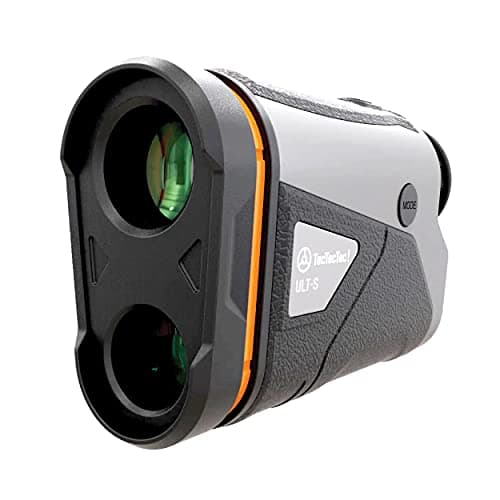
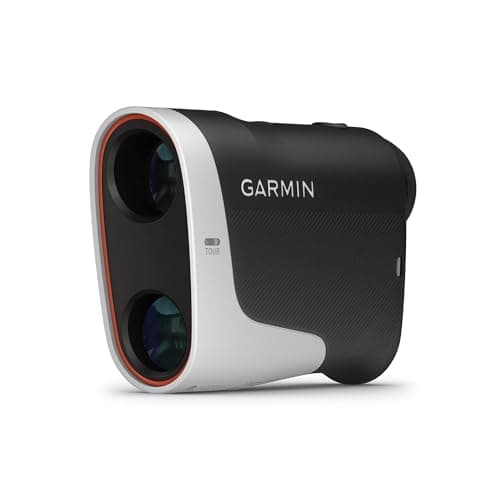
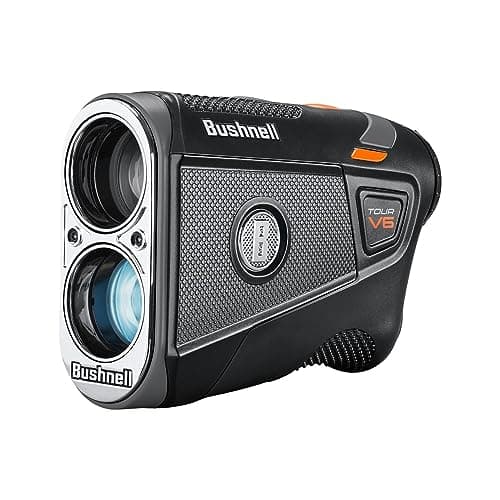
What it actually does
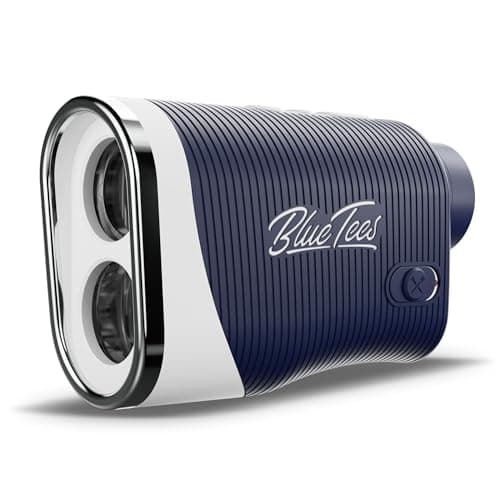
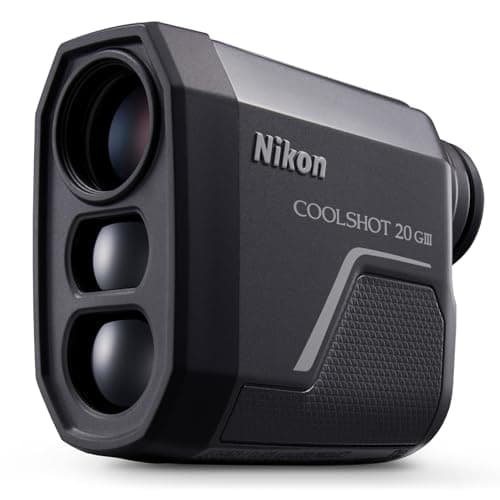
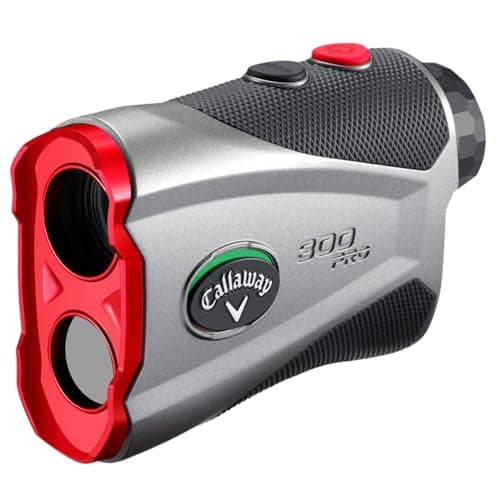
You look through it at the flag, press a button, and it tells you how far away it is. It works by timing a laser pulse there and back.
That sounds trivial and isn't. Golf clubs are built to hit specific distances, so knowing the number is the difference between choosing a club and guessing. It also speeds up play, which matters more than most golfers admit.
Slope — the one feature to understand
"Slope" means the rangefinder adjusts for uphill and downhill. A flag 150 yards away but 20 feet above you plays longer than 150 yards, and a slope-enabled unit does that math for you.
Here is the part that matters:slope-adjusted distances are not permitted in competition under the Rules of Golf. That's why good rangefinders have a physical slope switch— a visible toggle that turns the feature off, so a playing partner or official can see it's disabled. A rangefinder with slope you can't visibly switch off isn't tournament-legal.
For a casual golfer, slope is a nice extra. For anyone who plays club competitions, the switch is the feature. More in are rangefinders legal in golf.
Laser or GPS?
These are the two competing approaches, and they answer different questions.
A laser gives the exact distance to whatever you point it at — including the flag, which moves to a different spot on the green every day. It requires aiming and a reasonably steady hand.
A GPS(a watch or handheld) gives distances to the front, middle and back of the green from stored map data. No aiming, but it can't know where today's pin is.
For a gift: buy the laser for someone who'll enjoy precision, the GPS for someone who would find pointing a device fiddly. Full breakdown in laser vs GPS rangefinders.
What the specs mean
- Maximum range (e.g. 1000 or 1300 yards) is largely marketing. No golf shot is 1000 yards. What matters is reliable performance to about 300.
- Magnification (6x, 7x) is how much closer the flag looks. Higher is easier to aim but shakier in the hand.
- Lock confirmation— a vibration or visual flash when it hits the flag rather than the trees behind. This is the feature that genuinely improves the experience, and it's worth more than an extra 300 yards of range.
- Stabilization steadies the view. Unusual at the budget end and a real differentiator when present.
Do they already own one?
This is the single most important check, because rangefinders last for years and a duplicate at $200–350 is genuinely awkward to return without telling you.
Look at the outside of their golf bag for a small rectangular case, roughly the size of a chunky compact camera, usually clipped or magnetized to the strap or a side pocket. If it's there, buy something else — see gifts for golfers who have everything.
One more thing to check before you choose from this list: how steady the recipient's hands are. A rangefinder asks you to hold a flagstick in a magnified view, and higher magnification makes a tremor more visible rather than less - best golf rangefinder for shaky hands covers stabilization, magnification and the case for a GPS watch instead.
And if the yardage is the only reason you were looking at a rangefinder, there is now a cheaper way to give one. A golf speaker with built-in GPS speaks the front, center and back distances out loud from the cart bar, which suits a golfer who would never carry a laser but would happily have music and a number. It is a worse instrument and a better gift for the right person.