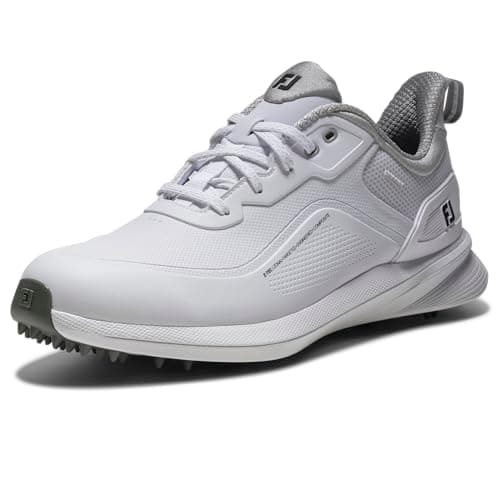
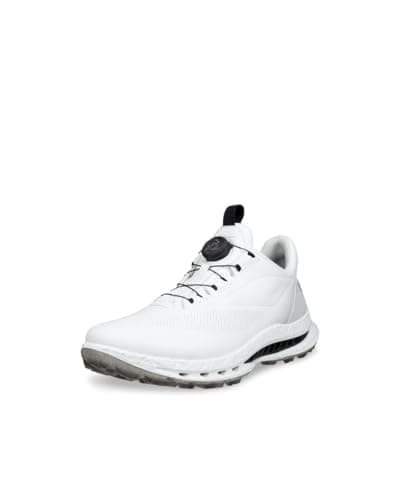
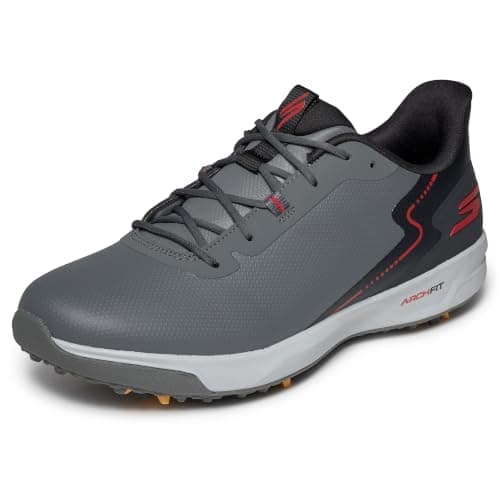
The sizing warning, in full
We'd rather lose the sale than have you buy the wrong thing, so: golf shoes are the highest-risk gift category we cover, and it isn't close.
A golfer walks around five miles in them, on grass that's uneven and often wet, while making a movement that puts real lateral force through the foot. They need a length and a width, and sizing conventions differ meaningfully between brands.
If you can read the size off a pair in their closet, go ahead. If you're estimating from their normal shoe size, don't — buy something from under $100 instead and put a note in the card offering to go shopping together. That reads as thoughtful rather than as a cop-out.
Spiked or spikeless?
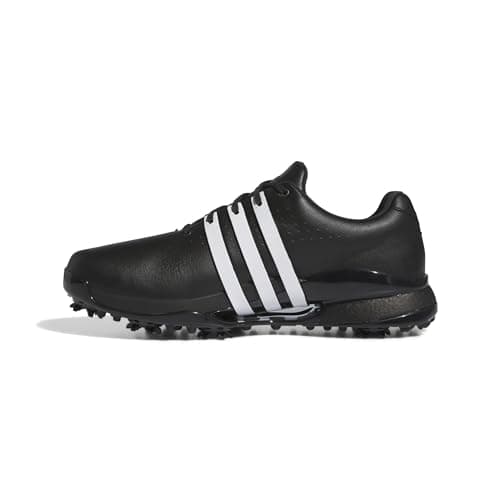
Spikedshoes have removable plastic cleats screwed into the sole. They grip better on wet grass and on slopes, and they're what you want for year-round play in real weather. The cleats wear out and get replaced, which is a small ongoing task.
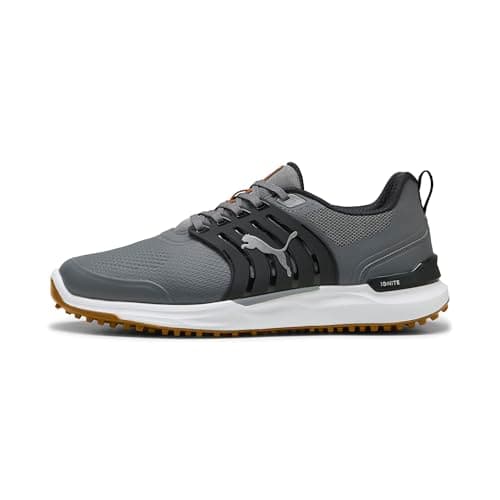
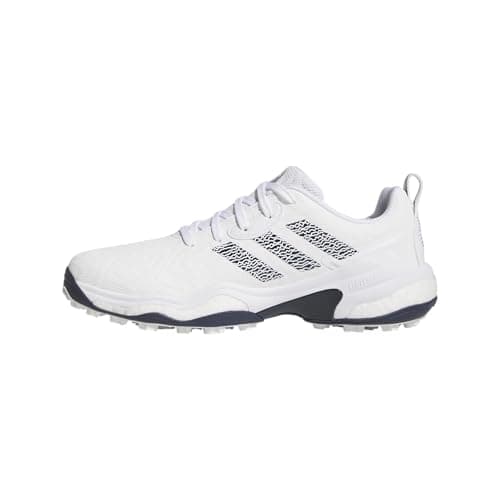
Spikelessshoes get grip from a molded rubber sole with lots of small lugs. Less outright grip in the wet, but they can be worn straight from the car to the course and out afterwards, and they're more comfortable to walk in off grass.
Most golfers now choose spikeless, and for a gift it's the safer pick — it's more versatile and there are no cleats to maintain. The exception is somebody who plays through winter. Full comparison: spiked vs spikeless golf shoes.
Waterproofing is the spec that matters
Golf is played early in the morning on wet grass. Wet feet on the third hole makes the next three hours miserable.
Most golf shoes above about $90 are waterproof and many carry a published warranty on it for one to two years. Gore-Tex is the recognized third-party standard; brands also have their own proprietary membranes, which generally work but aren't independently certified in the same way.
Why comfort beats performance here
The performance differences between good golf shoes are small. The comfort differences are not, and comfort is what a golfer notices on the fifteenth hole.
That's why our top pick here is a comfort-first shoe rather than the tour-worn one. For an older golfer especially, cushioning matters more than what the professionals wear — and it's a genuinely thoughtful gift for somebody whose feet or knees complain by the back nine.
It's also the exception to the spikeless-by-default advice above: Skechers publishes replaceable spikes on it. That buys better grip on wet grass, at the cost of being less pleasant to walk in off the course and needing the cleats replaced occasionally. If being able to wear them straight into the clubhouse matters more, take one of the spikeless picks below instead.
Do they even need special shoes?
For a casual golfer playing a few times a summer in dry weather — honestly, not really. A pair of trainers with reasonable grip will do. Golf shoes become worth it once someone plays regularly or in the wet, at which point the grip and waterproofing both start to matter. We answered this properly in do you need special shoes for golf.
Width is the half of the size question this page cannot solve by ranking shoes, because most of the golf market is sold in one width per size. Best golf shoes for wide feet names the two brands that publish a real width, and what to do when the shoe you want offers only one.