
Answer
How to buy a golf gift when you don't play golf
Four questions that narrow any golf gift down to two or three real options.
05 / Answers
The things you need to know before you buy, answered directly. These pages carry no picks of their own — they explain the thing, then point you at the guide that does the choosing.
Pick a question
Answer
Four questions that narrow any golf gift down to two or three real options.

Answer
Five errors that are invisible unless you play. All avoidable in two minutes.
Answer
Eight names that remove most of the risk from buying a golf gift.

Answer
Four categories a well-equipped golfer never had a reason to shop in.
Answer
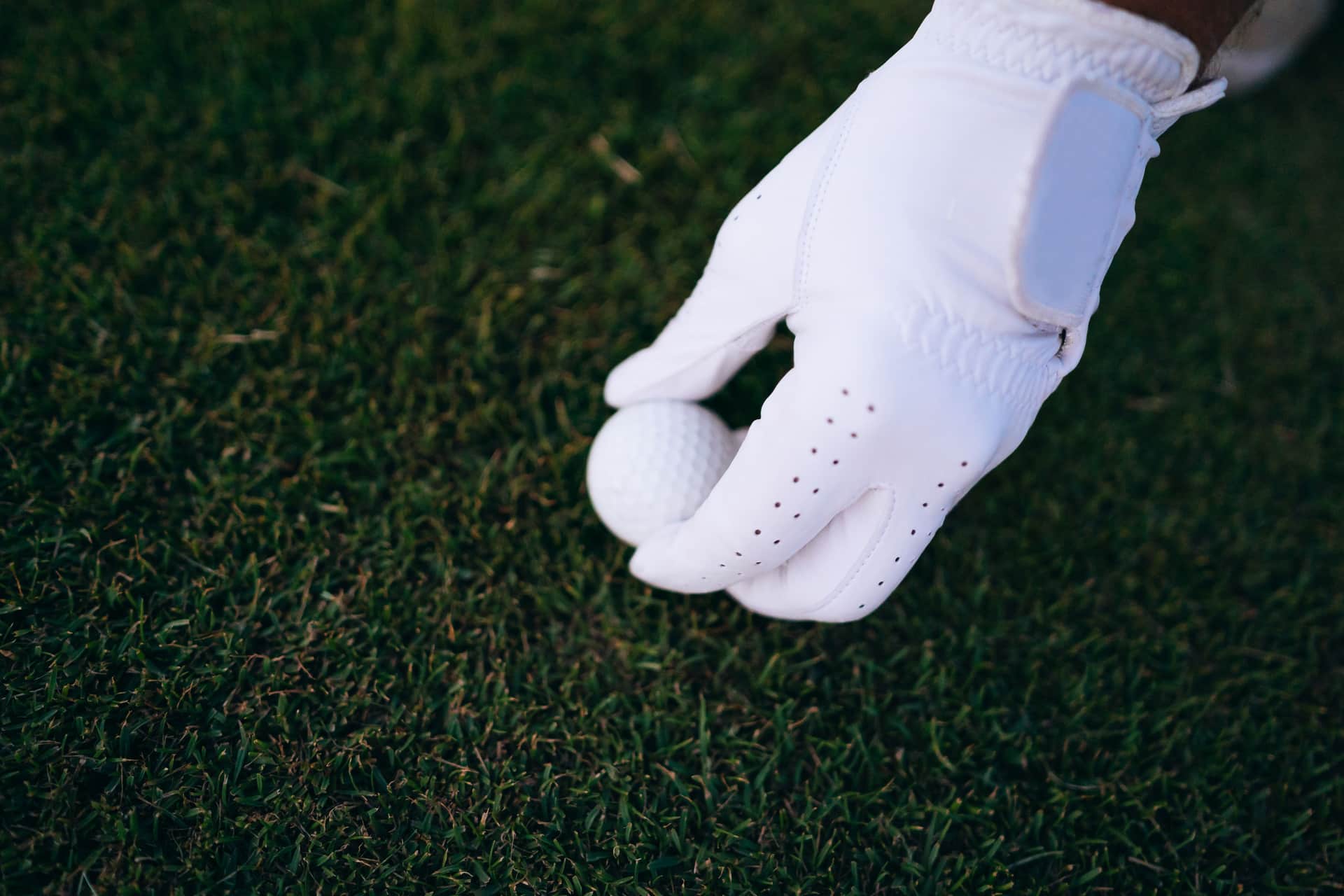
Right-handed golfers wear it on the left. The most common gift mistake, solved.
Answer
Material, fit, thumb seam, breathability. Brand isn't on the list.

Answer
Repairs the dent a ball leaves on a green. Everyone needs one, everyone loses theirs.
Answer
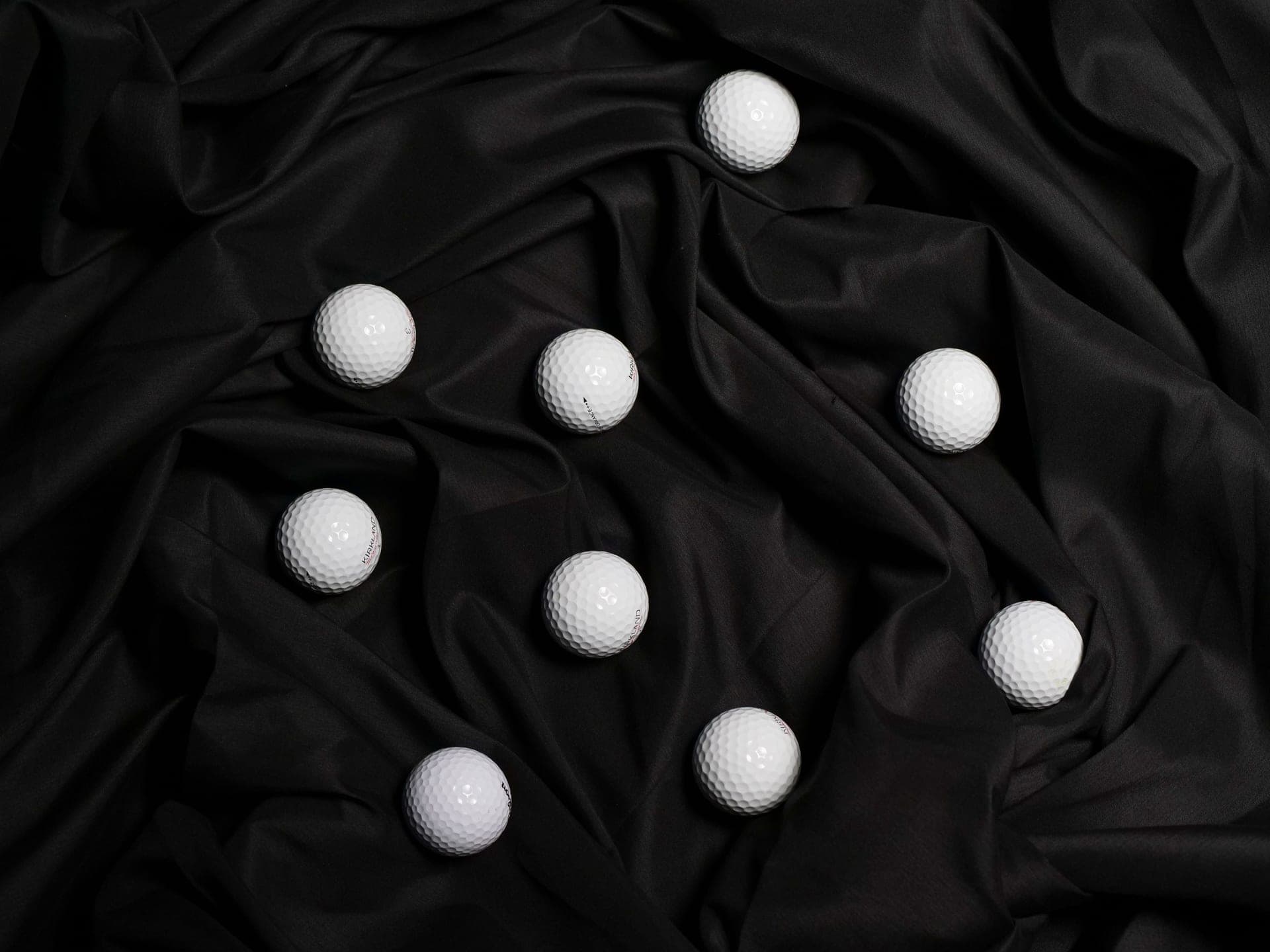
How much the ball squashes. Softer for slower swings — and softer is the safer guess.
Answer
Six minimum per round. A beginner gets through a dozen in two.
Answer
Five things it genuinely changes — and when it isn't worth the money.
Answer
Legal for distance. Not for slope — unless it visibly switches off.

Answer
Not for a casual dry round. Genuinely yes once they play regularly.
Answer
Walk or ride decides the type; weight vs storage decides the rest.
Answer
Boxed balls don't spoil — buy the brand, not the freshness, and store them anywhere.
Answer
Premium consumables they'd never buy, or an indoor practice gift for the off-season.
Answer
Worth it for a skilled player, less so for a beginner - but a great gift for almost anyone.
Answer
Custom-printed for a bespoke gift, or a marker stencil to personalize any ball.
Answer
The distance tool you wear on your wrist - automatic, no aiming, used off the course too.
Answer
Worth it for a walker, pointless for a rider - confirm which before you buy.
Answer
One anchor item, three consumables, one joke - and what to leave out.
Answer
A course policy, not a rule - and the answer differs for drinks and for beer.
Answer
Almost all of them do - the question is what the card actually covers.
Answer
Four things, about fifty dollars, and a golfer without them notices every round.
Answer
Seven clubs, not fourteen - and count the clubs rather than the pieces.
Answer
Soft for one or two trips a year. Hard only if they have somewhere to keep it.
Answer
Two brands publish a real width. Pick the brand first and the shoe second - and never size up a full size.
Answer
Synthetic, not leather - and two of them, so one is dry for the back nine.

Answer
62in if they carry, 68in if they ride - and a double canopy either way.
Answer
The S12 unless they already wear a watch daily - then the S44 replaces two things.
Answer
Nobody makes a women's golf watch. Case size, weight and a swappable 20mm strap are the whole decision.
Answer
Settle stand-or-cart first. The mid band is the value; everything above it is spent removing ounces.
Answer
Four tiers that measure different things - plus the net, the mat and the ten feet of ceiling nobody quotes.
Answer
Stabilization, 6x not 7x, and a lock you can feel. If the shake is real, a GPS watch beats every laser here.
Answer
Brilliant for a beginner, risky for a twenty-year golfer. Give a certificate, check the expiry, wrap something.
Answer
Head and shaft separately, spiral the paper down the shaft - and for a real surprise, disguise it instead.
Answer
Warm water, a nylon brush, five minutes - and why packed grooves cost a golfer spin without them ever seeing the cause.
Answer
Two, and they do incompatible jobs - one damp for grooves, one dry for grips. Plus why the magnet only makes sense for a golfer who rides.
Answer
Dry beats warm, upright beats flat, and the car trunk is the worst common option - for a reason most golf advice never mentions.
Answer
Checked only, never the cabin - and the limits that actually bite are 50lb and 115 linear inches, not permission.
Answer
Worth it for stroke and start line, useless for speed and slope - plus the floor-space number that decides whether it gets used at all.
Answer
Four drills - aim, ball position, swing path and plane - and why aiming parallel rather than at the flag is the part most golfers get wrong.
Answer
Empty it, vacuum it, mild soap and warm water - then dry it properly, because the real problem with a golf bag is moisture rather than dirt.
What to know
Every page in this section answers one question and then points you at the guide that does the choosing. Most of them carry no product recommendations at all, and that is deliberate rather than an oversight.
Two reasons. The first is that a reader who arrived wanting to know which hand a golf glove goes on should get that answer, not a product grid with the answer buried in paragraph six. The second is that it lets these pages compete on being the best answer to the question rather than the best-monetized one.
The exception is a handful of questions where the question is the purchase decision — hard case or soft cover, this Garmin or that one, how many clubs a beginner actually needs. Those pages still answer first and still explain what to look for; the short list of products sits underneath, after the explanation rather than instead of it. Everywhere else the commercial pages are one click away and clearly signposted at the bottom of the guide.
The newest of those exceptions are the budget questions and the ones with a persona attached: how much to spend on a golf bag, what a home simulator actually costs, which rangefinder suits unsteady hands and best golf watch for women. Two more stay bare on purpose: how to wrap a golf club has no product answer at all, and are golf lessons a good gift carries only the two things worth wrapping alongside a certificate.
The 2026-10-17 additions are mostly maintenance and logistics questions, and five of the six carry picks because the answer resolves to an object: how to clean golf clubs, how many golf towels you need, how to store golf clubs, whether you can take clubs on a plane, whether an indoor putting green is worth it and how to use alignment sticks.
The newest page is the maintenance job nobody writes down: how to clean a golf bag. It carries picks for the same reason the others do, and it makes one point worth reading even if you never touch a bag again - the problem with a golf bag is moisture rather than dirt, so the drying step is the one that decides whether the smell comes back. It is also the best gift-research opportunity on the site, because an emptied bag answers the glove hand, the glove size, the ball model and whether they walk or ride.
Two pages do most of the work. The golf gift buying guide walks through the four questions that narrow any golf gift down to two or three real options, and golf gift mistakes to avoid covers the five errors that are completely invisible unless you play — the glove hand being the one that catches most people.
After that, the guides split by category. Gloves have four, because gloves are cheap, constantly needed and the easiest golf gift to make accidentally unusable. Balls have two, covering the one spec that matters and how many to actually buy. Rangefinders have two, including the rules question that decides which model to get.
Golf has an unusually dense vocabulary and most of it is unnecessary for a gift buyer. The four terms that genuinely come up:
We don't test golf equipment and don't claim to. Factual claims here come from manufacturers' published specifications or from the USGA's published Rules of Golf, and both are cited at the bottom of each page. Where something is a judgment rather than a fact, we say so.
The full method, including how the live pricing works, is on how we pick.
FAQ
The weaker hand — a right-handed golfer wears it on the left. Full answer.
How much the ball squashes when struck. Lower means softer, suiting slower swings. Explained in full.
Plain distance yes; slope-adjusted distance no. A slope model needs a visible switch. The rule in detail.
So they can answer the question properly rather than burying it in a product grid. Each guide links to the relevant roundup at the bottom.
Read next