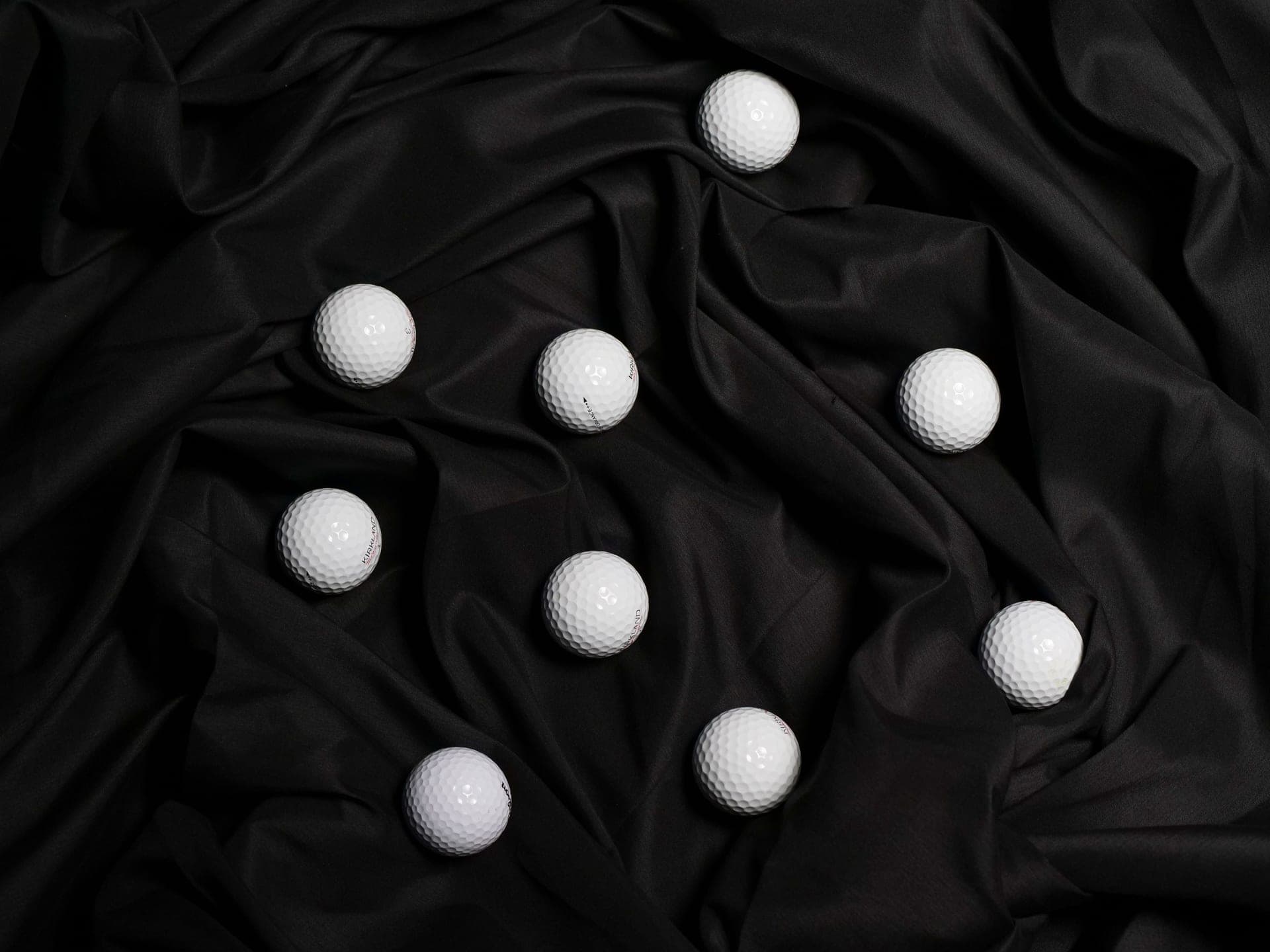
What actually differs
Both are typically two-piece balls at similar prices. The difference is how firm the core is, which manufacturers publish as a compression figure.
A soft ball has a low-compression core that deforms readily on contact. A distance ball has a firmer core that resists deformation and is built to come off the clubface fast rather than to spin.
Neither is objectively better. They're tuned for different swing speeds, and the whole question is which one matches the person you're buying for. Compression explained in full.
Why soft is the safer gift
The asymmetry is what makes this easy.
A fast swinger playing a soft ball loses a little control and may find it feels spongy. A slow swinger playing a firm ball doesn't compress it properly — so it goes shorter, feels hard, and is genuinely less pleasant to hit.
The downside runs much deeper in one direction. When you don't know, go soft.
The distance claim, honestly
"Distance" balls do not straightforwardly go further for everyone. They go further for a player who can compress them.
For a slower swing, a soft ball frequently travels further than a distance ball, because the soft ball is actually storing and returning energy while the firm one is barely deforming. The category name describes the design intent, not a guaranteed outcome.
What about the third option?
There's a category above both: premium tour balls with a urethane cover. Those are a different axis entirely — the cover material controls spin, and it's what separates a $25 dozen from a $55 dozen more than compression does.
For gift purposes, treat it as a separate question: soft-versus-distance is about swing speed, premium-versus-standard is about how seriously they play. Our golf ball guide covers both.
How to tell which one a box is
Golf ball packaging is not always helpful, and the words on the front are marketing rather than specification. Three things that do tell you something:
- The word "soft" in the model nameis a reliable signal. Brands use it consistently for their low-compression models, and it's the closest thing to a standard label this category has.
- "Distance", "velocity" or "speed" in the name points the other way — these are the firmer, distance-first models.
- A published compression number, if the manufacturer gives one. Not all do, and the measurement methods differ between brands, so treat it as a guide rather than a figure you can compare across manufacturers.
What tells you nothing useful: the color of the box, the number of layers quoted on the front, and any phrase involving "tour" unless the ball also has a urethane cover.
Where the two categories overlap
It's worth saying that this is a spectrum rather than two bins. Plenty of balls sit in the middle — moderately soft, moderately firm — and for most amateur golfers those are perfectly good.
The reason we frame it as a choice is that a gift buyer has to pick one box, and the two ends of the range genuinely suit different people. If you find yourself agonizing over a mid-compression ball versus a soft one, stop: the difference at that point is smaller than the difference between either of them and buying the wrong tier entirely.
Which to buy as a gift
Buy softfor a beginner, an older golfer, someone who plays casually, or anyone whose swing you haven't seen. That's most gift situations.
Buy distanceonly if they've specifically said they want more yardage, or you know they hit it hard. It's a narrower gift.
Buy what they already playif you can see the box in their bag. That beats both, every time — and it requires no judgment from you at all, which is exactly why it's the best move available when you don't play golf yourself.