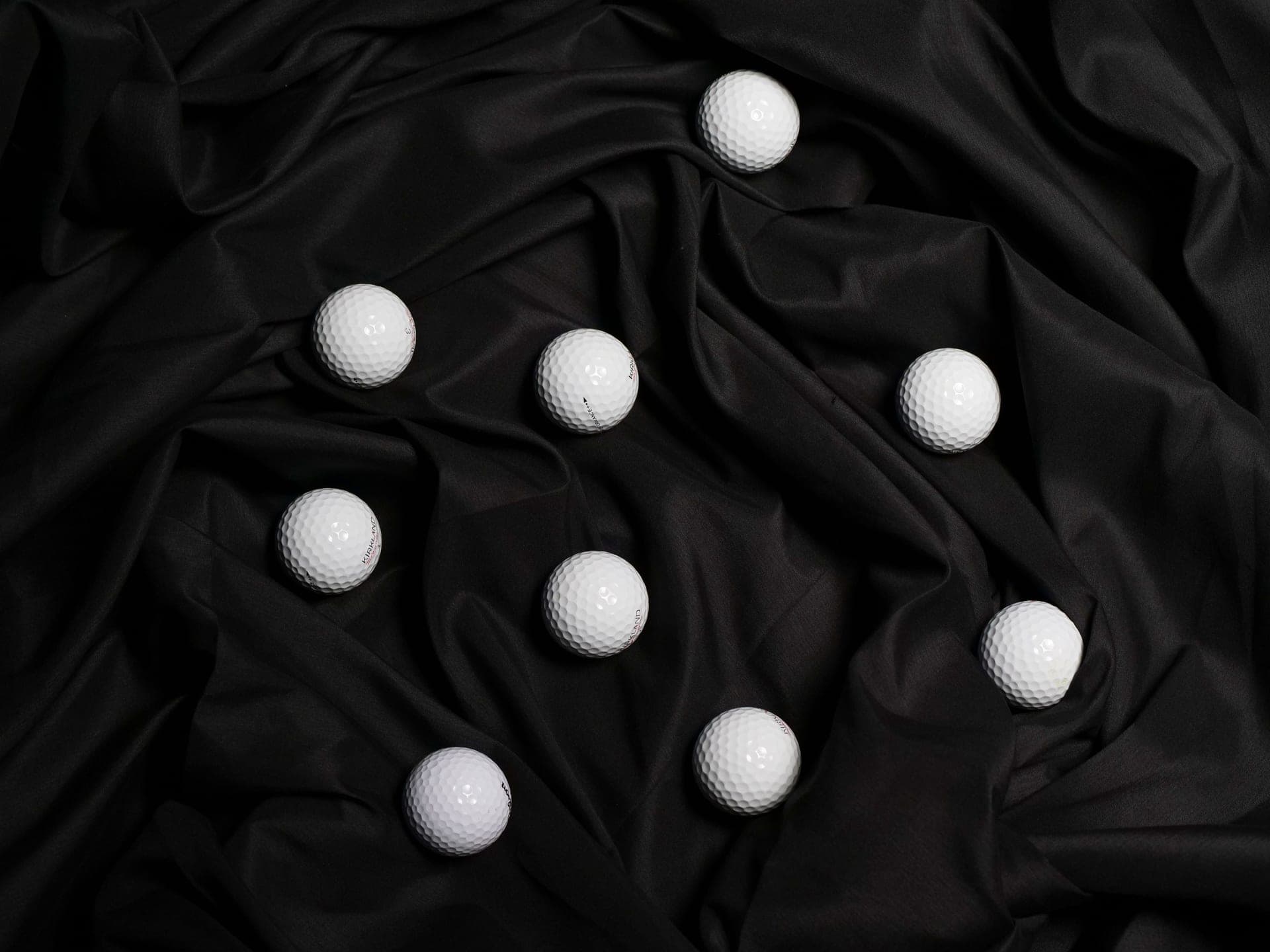
Why softer wins as swing speed drops
A golf ball only gives its full distance when the swing compresses it — squashes it briefly against the clubface. A fast swing compresses a firm ball; a slower swing doesn't. That's the whole reason a soft, low-compression ball is the answer for most senior golfers: it deforms readily even at a moderate swing speed, so it still stores and returns energy rather than feeling like hitting a rock.
The one number worth knowing
Compression is published as a figure, roughly 30 to 100. Lower is softer. For a slower swing, lower is better, and the penalty for going too soft is much smaller than the penalty for going too firm. You don't need to memorize numbers — the word "soft" in a model name is a reliable signal, because brands use it consistently for their low-compression balls. We explain the full picture in golf ball compression explained.
Distance is not about the "distance ball"
This trips people up. Balls marketed as "distance" balls are firmer, and for a slow swing they often go shorter, not further, because the swing can't compress them. So the intuitive move — buy the distance ball for more distance — is usually backwards for a senior. The soft ball is frequently the longer one for them. Soft vs distance, in full.
Feel and the short game
Beyond distance, a soft ball simply feels better off the club and off the putter, which is a real part of the enjoyment for a golfer who's been playing for decades. It's also more forgiving on and around the green. None of this requires the premium tour ball — a respected soft ball at an ordinary price is the sweet spot, and paying tour money for firmness a slower swing can't use is the one mistake to avoid.
What to actually buy
Look for a soft, low-compression ball from a brand the recipient will recognize — it reads as a well-informed gift precisely because it shows you knew to ask about swing speed. The specific models with live prices are on the golf ball guide. For the wider set of gifts aimed at an older golfer, see gifts for senior golfers and gifts for grandpa.