Why headcovers are the safest visible gift in golf
Nearly everything a golfer wears or swings has a measurement attached to it. Clubs are fitted to height and swing speed. Shoes need a size and a width. Gloves need a hand. Apparel needs all of it. That is why so much golf gifting collapses into balls and tees: they are the only things left that cannot be the wrong size.
Headcovers are the exception, and they are a much better gift than balls, because a headcover is visible. It sits on the top of the bag at chest height for four hours in front of three other people. A dozen balls disappears into a pocket; a headcover is the one cheap golf gift the recipient and everybody they play with actually looks at.
Which also means the entire risk in this category moves somewhere else. You cannot get the size wrong. You can absolutely get the taste wrong, and that is the decision the rest of this page is about.
What we looked for
We do not test golf products — our method is public — so these are judgments reasoned from what each listing publishes and from what the object has to do in a golf bag. Five things separate a cover worth giving from one worth ignoring:
- Fitment. Driver, fairway and hybrid covers are effectively universal. Putter covers are not. Anything advertised as fitting a specific club model is a replacement part, not a gift.
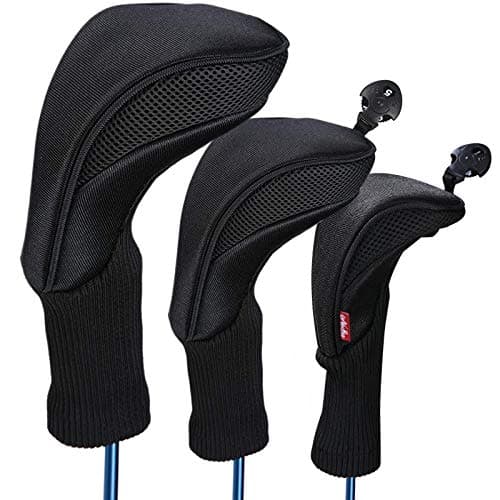
- How it stays on. A long knitted sock neck grips the shaft; a magnetic closure reseats one-handed. Hook-and-loop is the one to avoid — it collects grass and stops gripping within a season.
- Material. Synthetic leather looks the most expensive and wipes clean. Knit is the traditional look and holds water. Plush and novelty covers are the personality option and the highest-risk one.
- Numbering. A set is only useful if the covers are marked, because the whole point is telling one wood from another without pulling both out of the bag.
- Honest taste risk. Every pick below carries the reason it might be wrong, and for headcovers that reason is usually not the product.
What the numbers on a headcover mean
If you have never carried a golf bag, the numbering looks arbitrary. It is not, and it takes thirty seconds to learn:
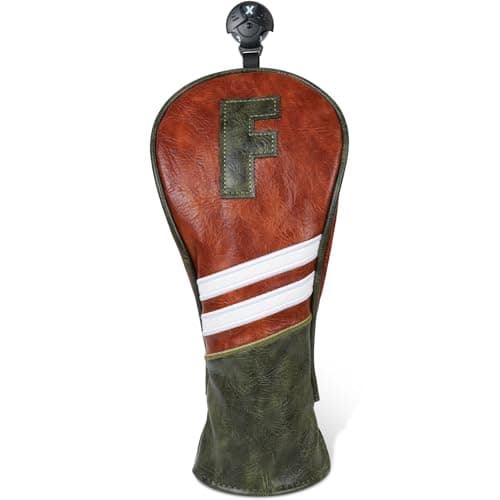
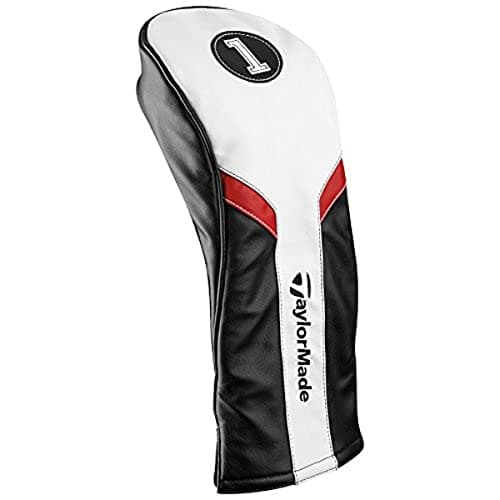
- 1 is the driver — the biggest head in the bag, used off the tee.
- 3 and 5 are fairway woods, smaller versions of the same shape.
- X or H is a hybrid, a club shaped somewhere between a small wood and an iron.
A three-piece set is almost always 1, 3 and 5. That covers most bags, but not all of them: plenty of golfers carry a hybrid instead of a 5 wood, which leaves a set one cover short. It is worth a glance in the bag before buying a set rather than a single cover.
The putter cover trap
This is the one place a headcover gift goes wrong, and it goes wrong often enough to be worth its own section.
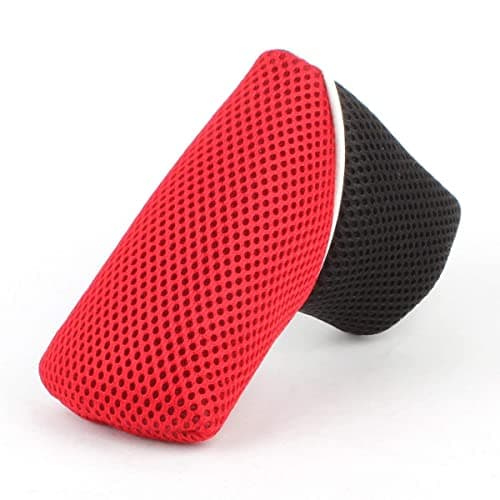
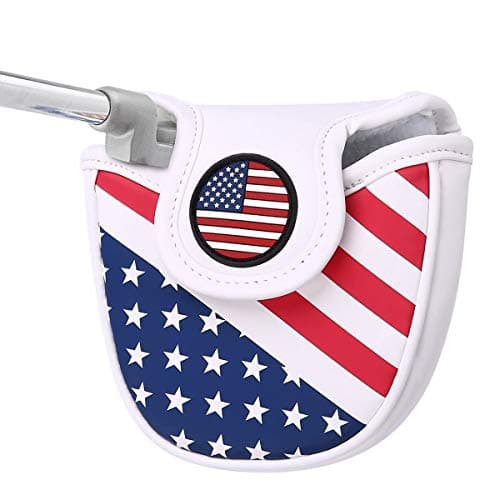
Putters come in two head shapes. A blade is a narrow bar, roughly the size and shape of a chocolate bar. A mallet is a big squared-off or half-moon block, often with two white lines on it. They are not close in size, and a cover made for one will not fit the other — a blade cover will not stretch over a mallet, and a mallet cover hangs loose off a blade and falls off in the bag.
There is no universal putter cover, so there is no way to hedge. If you want to give one, take a photograph of the putter head first. It is the only measurement anywhere on this page, and it is the difference between a gift that gets used and one that gets returned.
If you cannot get at their bag, buy a wood cover instead. Those genuinely do fit anything.
What a headcover is actually protecting
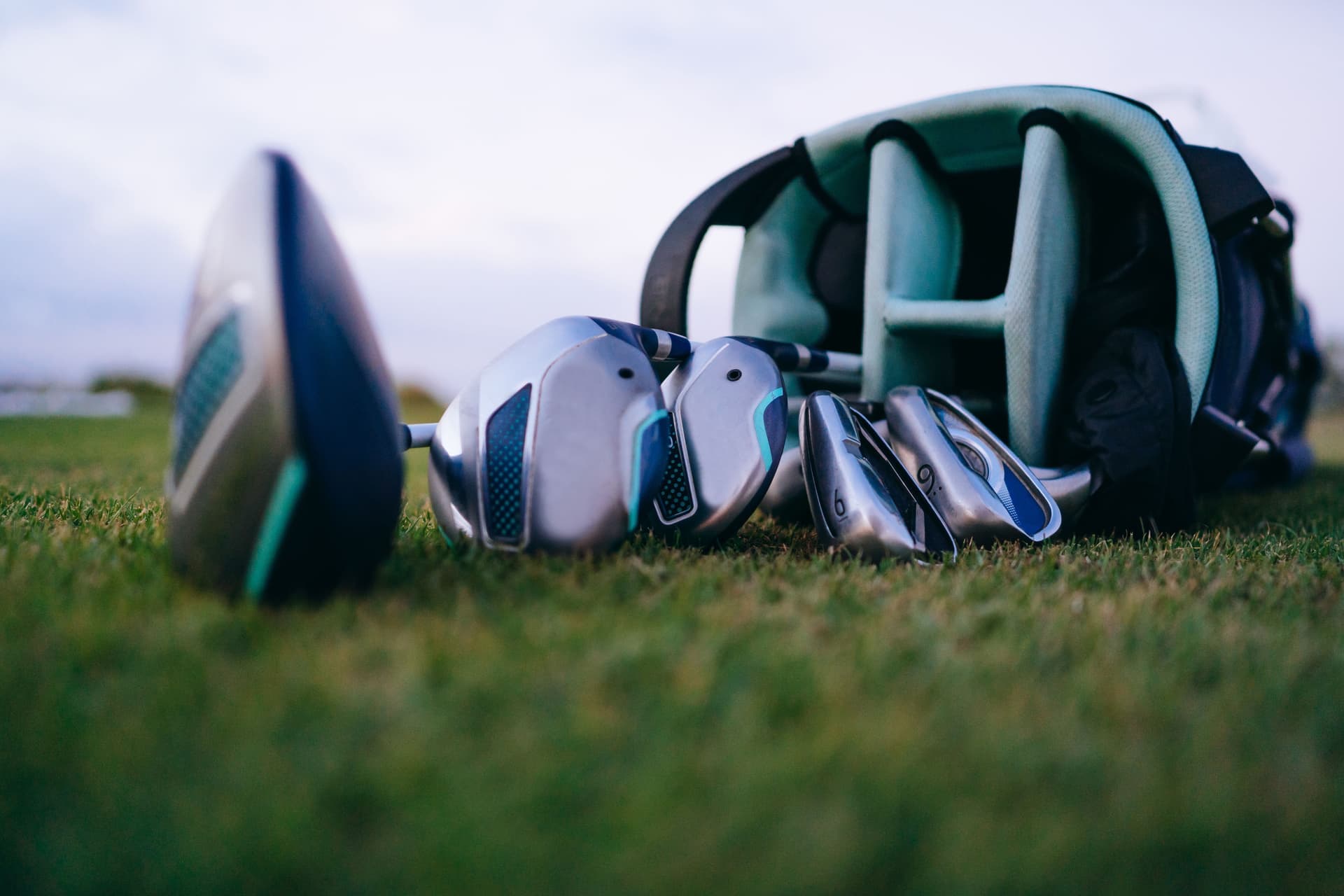
Modern drivers have thin composite crowns and a paint finish that marks easily, and a golf bag is a tube containing thirteen other metal objects that get thrown into a car boot twice a round. The cover is there to stop the crown getting chipped and to stop the constant metallic clatter as the bag moves.
That is also why irons do not get covers. Iron heads are solid forged or cast metal, they are designed to be hit off the ground, and they sit low in the bag away from each other. A fourteen-piece iron cover set turns every club selection into unwrapping a parcel, which is why you will not see one in play. Skip those.
Materials, honestly
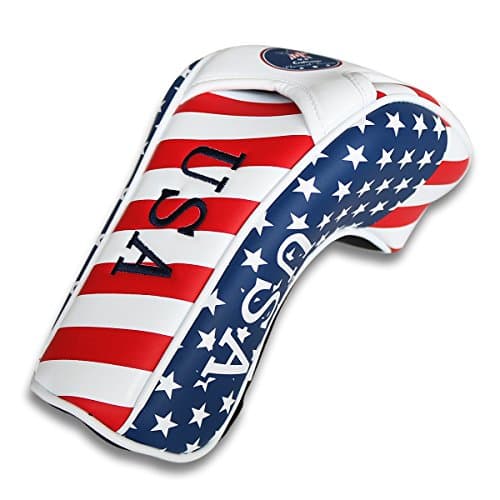
Synthetic leather is what most good-looking covers are made of. It wipes clean, it holds its shape, and photographed on a listing it is close to indistinguishable from real leather. It is the safe choice for a gift.
Knit is the traditional look, the woolly pom-pom style that reads as classic golf. It has one genuine drawback: knit soaks up rain and then sits wet against the crown of the club for the rest of the round.
Plush and novelty covers — animals, mascots, jokes — are the personality tier. They are bulkier than they look on a listing and they take up real room in a bag, which matters more on a carry bag than on a cart.
Novelty covers: when they land
Headcovers are one of the few places in golf where a novelty gift genuinely works, because unlike a slogan hat or towel there is nothing written on it to read out loud — it is just an object with some character. Golfers who would never wear a joke are perfectly happy to have an animal on their driver.
The line is between a character and a punchline. Something with a bit of personality gets used for years. Something with a caption on it is a joke that three people have to look at every week, which is the same problem we describe on the funny golf gifts page.
What to skip
Model-specific covers. Listings named after one exact club are usually replacement parts sold on by resellers. They fit fine, but you are paying a premium for a model name that will be two generations old soon.
Full iron sets. Covered above. Nobody uses them.
Monograms on a headcover. Personalization works on things that stay with the owner. Covers get pulled off on every tee and are the second most-lost item in golf after ball markers. If you want the personal version of a golf gift, the personalized page covers where it actually works.
Anything sold as a headcover-plus-towel-plus-tees bundle. The cover in those is the cheapest component, and it is generally the thin nylon one they already own.
How to buy one without asking them
Two minutes with their bag answers everything this page needs you to know. Look at the three or four big-headed clubs at the top: whatever is on them now tells you the style they tolerate and whether the covers match. Look at the putter head and decide bar or block. Note the brand on the driver crown if you want the gift to match.
If the bag is out of reach, the safe purchase is a driver cover from a brand they play or a wood set in plain synthetic leather. Neither can be the wrong size, and neither commits them to a joke. For the rest of the small-gift tier that works the same way, see divot tools and golf towels.