What personalized usually means, and what it should mean
Search personalized golf gifts and most of what comes back is a normal object with a name printed on it after the fact — a towel, a keyring, a plastic tag. The name is the entire contribution, and it is the reason the item is more expensive and slower to arrive than the identical unnamed version.
There is a better test. A personalization is worth paying for when it changes how the object works, not just how it looks. Two golf items pass that test, and both do the same job: making one golf ball identifiably yours.
Why marking a ball is the useful personalization
Four golfers hit off a tee and two of them are playing the same brand and model. Under the rules, playing somebody else's ball costs you, so every golfer marks theirs somehow — usually a dot from a marker pen, drawn on in the car park. It is the one genuine personalization need in the sport, which is why it is the one worth buying.
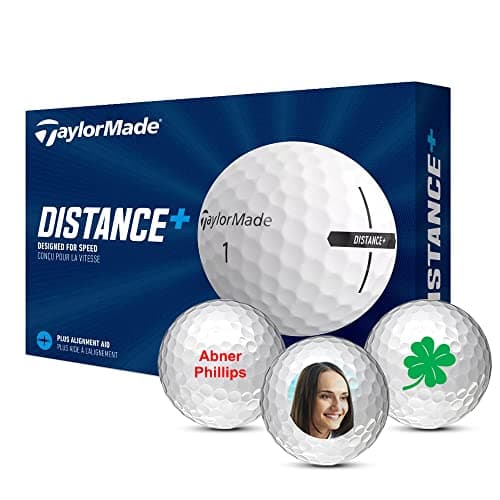
Custom-printed balls solve it at the factory: a name, initials, a date or a photo printed on a dozen. They make an excellent present and they have one honest weakness — golf balls are consumable. Some of that dozen ends up in a lake. That is not an argument against them, but it does mean they are a gift with a shelf life.
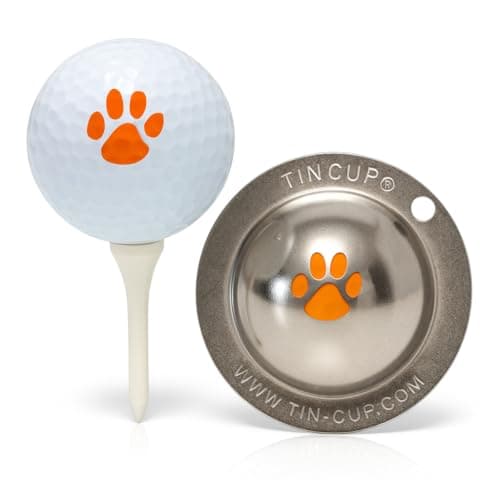
A stencil solves it permanently. It is a small template that clips over a ball so the golfer can draw a consistent mark with a marker pen, on every dozen they buy for the rest of their golfing life. It costs a fraction of printed balls and it never runs out. If you only buy one thing off this page, buy this one.
Order printed balls earlier than you think
Personalized balls are printed to order, which means they ship on a different schedule from stock items. The listing will state a production time on top of delivery, and that is the number that catches people out — a gift ordered a week before Christmas can arrive after it.
Order printed items at least two to three weeks ahead of the date, and if you are inside that window, buy the stencil instead and let them mark their own. The mechanics of both are in how to personalize golf balls.
Personal without personalization
There is a second route that gets missed: objects that are personal because of what they are, without anybody's name on them.
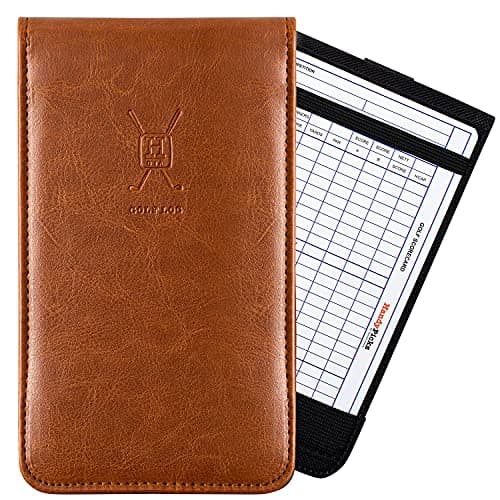
- A leather scorecard holder. It goes in a pocket every round, it ages, and it is the sort of thing a golfer keeps for years. Genuinely personal, no engraving required.
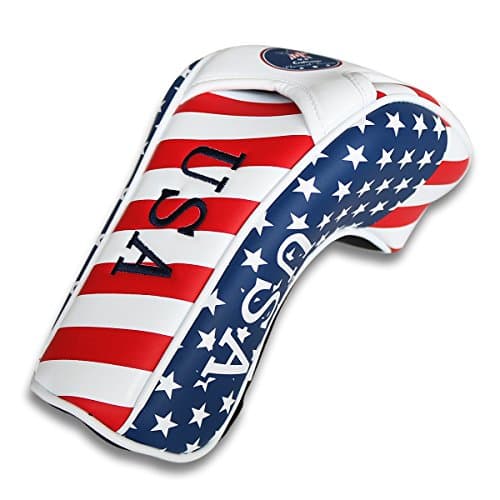
- A headcover that says something about them. A flag, a college, a team. It sits on top of the bag where their playing partners see it, which is exactly what makes it personal — and exactly why you need to know their taste.
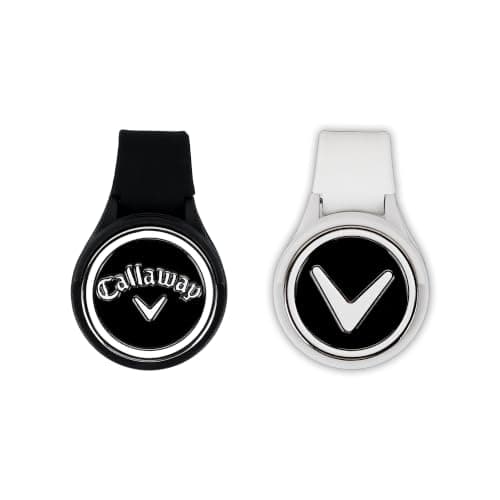
- Ball markers on a hat clip. Small, visible, and the thing golfers collect. A pair from a course they have played, or a brand they like, does more work than their initials would.
What not to put a name on
Anything small enough to lose.Divot tools, markers and tees migrate into other people's pockets constantly. An engraved one just makes that awkward — see the divot tools guide.
Anything that gets scrubbed. Embroidery on a golf towel stiffens the panel it sits on, and that panel becomes the one nobody uses.
Anything expensive. Engraving a rangefinder or a watch makes it impossible to pass on or resell and adds nothing to how it works. Keep the personalization on the cheap, replaceable end — the luxury gifts page covers why that matters more as the price rises.
A full name, usually. Initials, a nickname or a date age better than a full name printed across a ball. The golfer has to hand that ball to a playing partner who picked it up by mistake, and there is a real difference between initials and a whole name in that moment.
What to spend
A stencil is a sub-$20 gift and the best value in this category by some distance. Printed balls sit around the price of a premium dozen plus a printing fee. A leather scorecard holder is the one item here that reads as a proper present on its own, and it is still well under $50 — which makes personalized golf gifts a under-$50 category almost end to end.