Buy against how the game changes
"Senior golfer" isn't a taste, it's a set of practical changes. Swing speed drops a little each decade, hands get stiffer, and the four-hour walk that used to be nothing becomes the thing that ends the round early. A gift that answers one of those is worth more than a more expensive one that ignores all three.
Softer balls, measurably
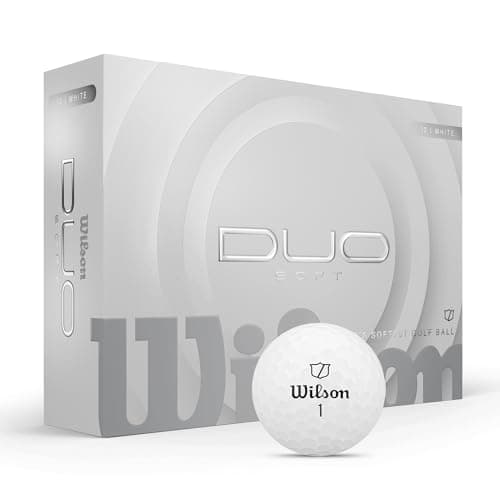
This is the clearest one. A firmer ball needs a fast swing to compress it; a low-compression balldeforms more easily, so a slower swing still gets full distance and a better feel. It's not marketing — it's the single spec that matters most for an older golfer, and it's explained in golf ball compression explained. A well-regarded soft ball reads as a thoughtful gift precisely because it shows you knew to ask.
Comfort in the hands and on the feet
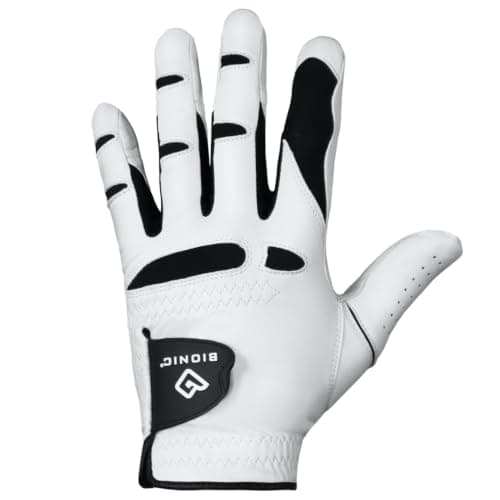
A glove designed around pressure relief rather than thinness helps a golfer with arthritis or grip fatigue keep playing. Cushioned golf shoes do the same job lower down — over roughly five miles per round, comfort beats tour credibility every time. Both are the kind of gift an older golfer appreciates and tends not to buy for themselves.
Take the weight off
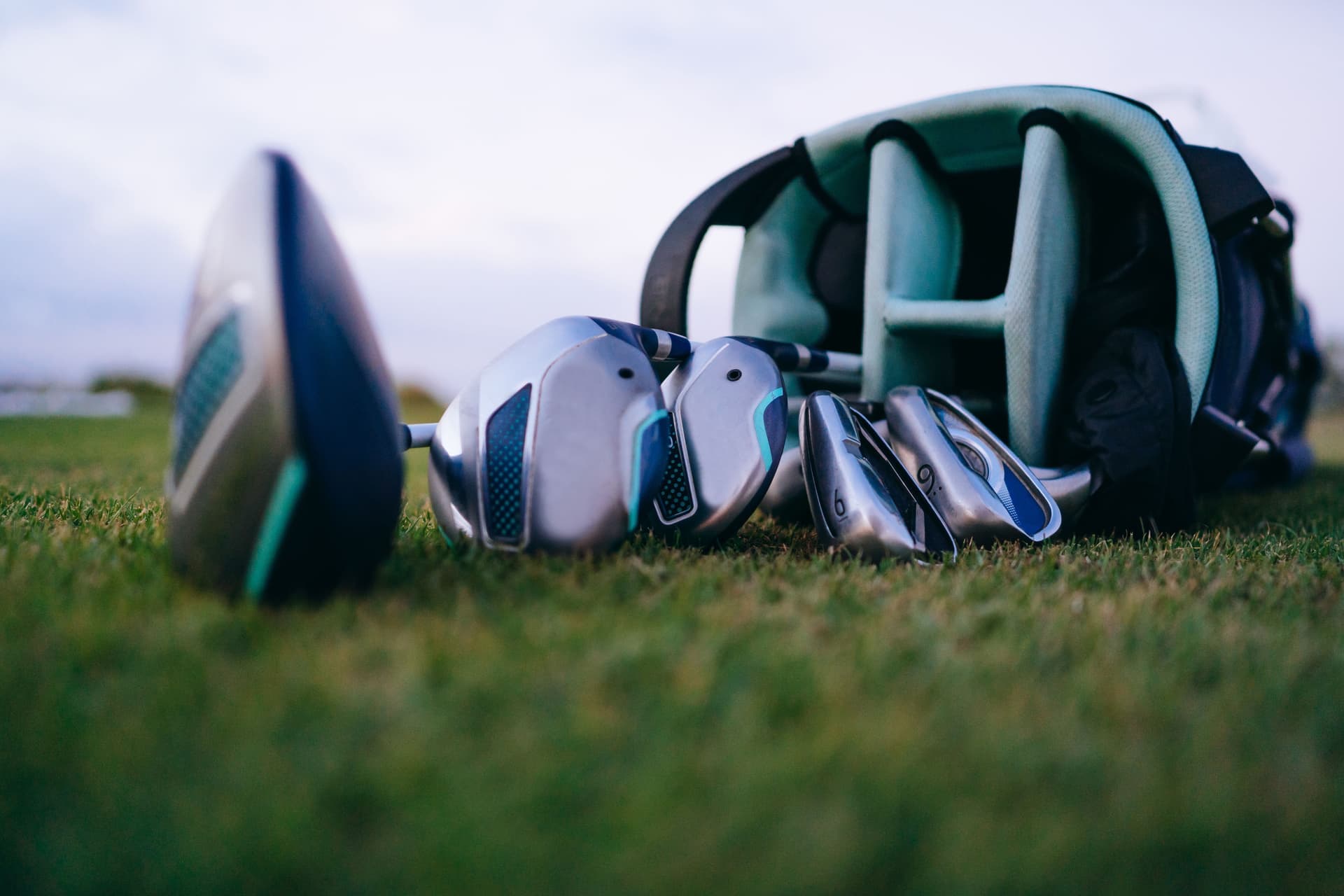
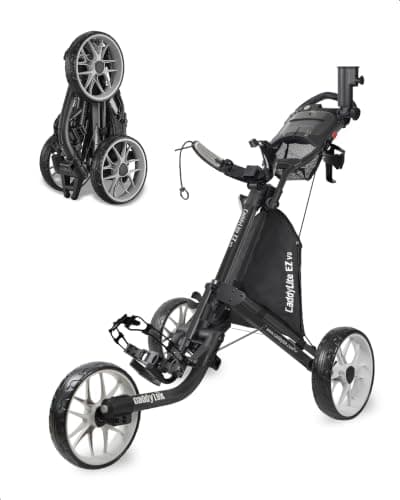
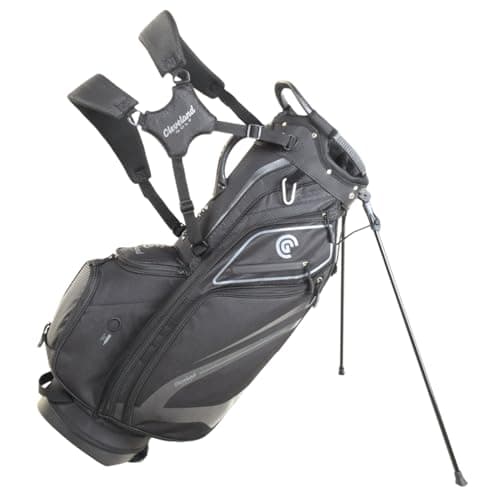
The gift that changes the most rounds is the one that removes the bag from their back. A push cart lets a golfer keep walking who was drifting toward riding, and a lightweight stand bagis the smaller version of the same idea. Check two things first: that their course permits push carts, and that they don't already own one, because at this price a duplicate is an awkward return.
Distances made simple
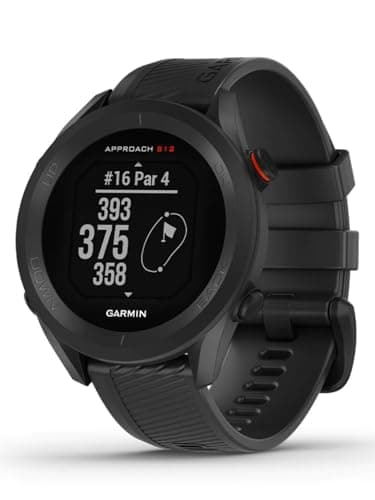
A GPS watch shows the distance to the green at a glance, with no aiming, which suits a golfer who'd find a laser rangefinder fiddly. It's the friendlier of the two distance tools for most seniors — we lay out the trade-off in GPS watch vs rangefinder. For everything in this vein aimed at a grandparent specifically, the grandpa page overlaps closely.
Two of the questions that come up most for this recipient have their own pages now. Best golf rangefinder for shaky hands matters because magnification multiplies a tremor as well as the image, and a push-button club brush is the version of that accessory that works one-handed.