The risk inverts above $200
On a $30 golf gift the question is whether it will get used. On a $600 one it will definitely get used — the question is whether it is the one they would have picked. A golfer who receives an expensive item that is slightly wrong is stuck with it: it is too valuable to put in a cupboard and too personal to swap, so they play with it and quietly wish it were different.
That is the entire difficulty with luxury golf gifts, and it is why the expensive categories are not simply the cheap categories with better materials. The three rules below exist to avoid it.
The three rules
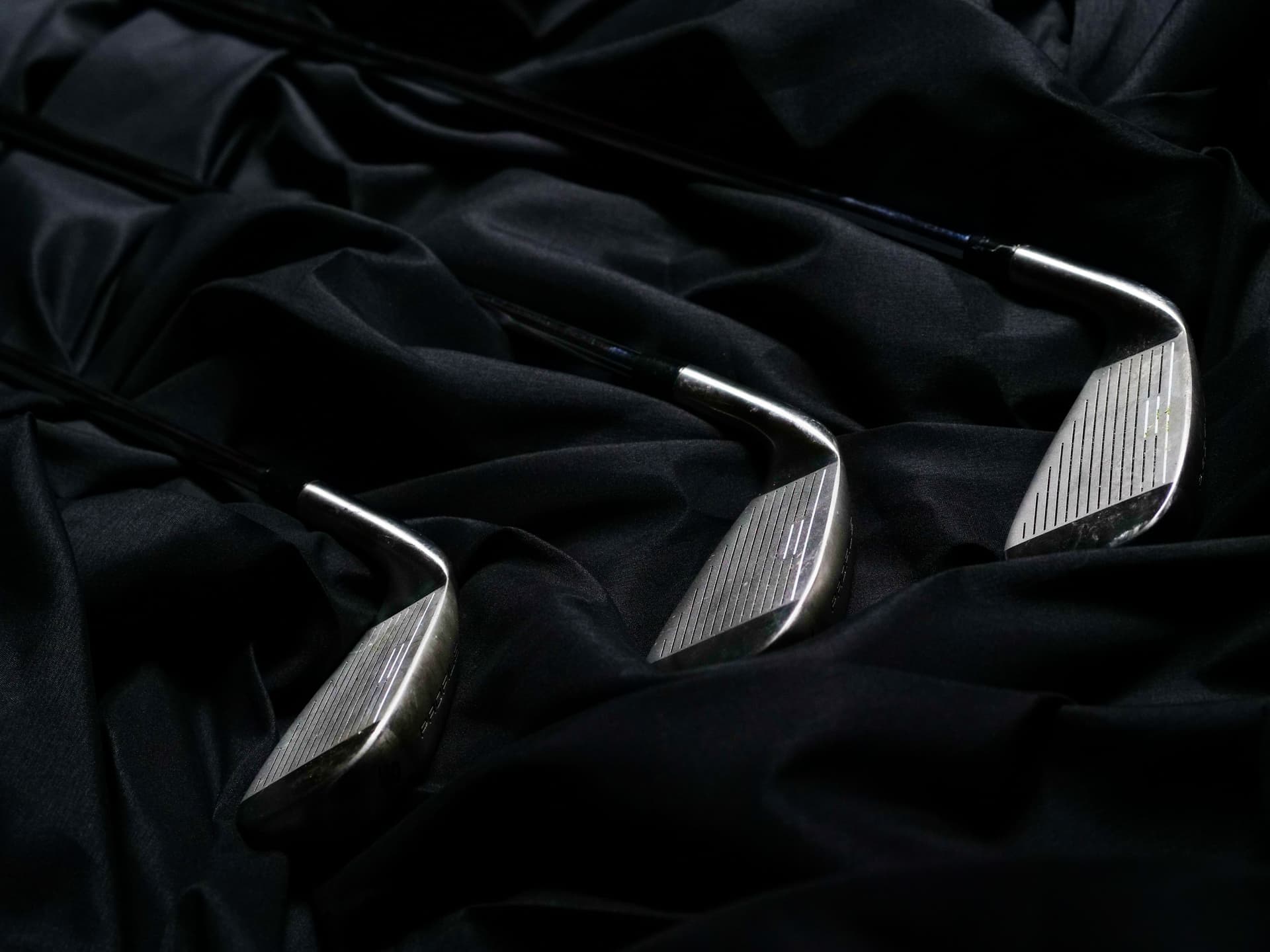
- Not fitted.Clubs, putters and shafts are matched to a person's height, arm length, swing speed and hand size. A $700 driver bought blind is close to buying somebody prescription glasses.
- Not sized. Shoes and apparel need a size and, in shoes, a width. At this price a return is a chore that lands on the recipient.
- Not a matter of taste. A golf bag is the most visible object a golfer owns and is chosen on color, brand and whether they walk or ride. Buying one for somebody else is a bet on three separate opinions at once.
Everything that survives those three rules is a device, a case or a consumable. That is a smaller list than the internet suggests, and it is the list on this page.
Why a rangefinder is the default answer
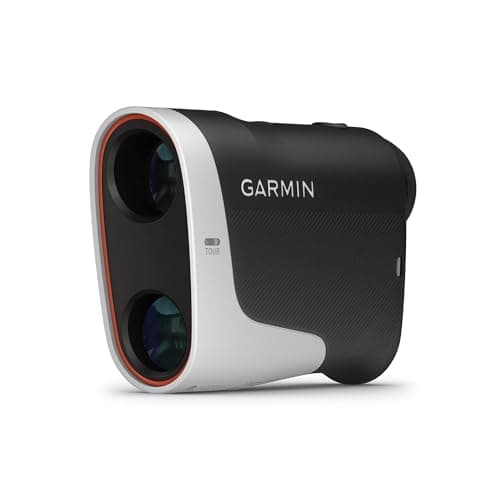
A laser rangefinder tells a golfer exactly how far they are from the flag. It is the one expensive item with no fit, no size and near-universal demand, and there is a specific reason so few golfers own one: it costs roughly as much as a nice round of golf, so it loses that argument with itself every time. That is the textbook definition of a gift.
Two things to check first. Look for a small rectangular pouch, about the size of a chunky compact camera, clipped to the outside of their bag — that is a rangefinder case, and if it is there, buy something else. And if they play competitions, the model needs a slope function that can be switched off; the full explanation is in slope vs non-slope rangefinders.
The $200-400 band
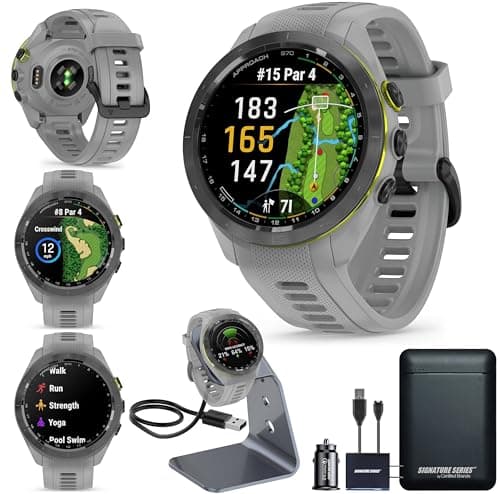
This is where the giftable devices live. A mid-range laser rangefinder, a GPS watch with a proper screen, a premium push cart, or a hard-sided travel case all sit here. Anything in this band is a substantial present that does not require you to know a single measurement about the person.
Golf watches deserve a specific note. They are worn every day, not just on a course, which makes them the most-used item in this band — but they are also a watch, and some people have opinions about wearing one. If they already wear a smartwatch, a golf watch is an easy upgrade. If they wear a mechanical watch or nothing at all, it is a harder sell than its usefulness suggests. The watch versus rangefinder comparison covers which suits which golfer.
The $400-1,000 band
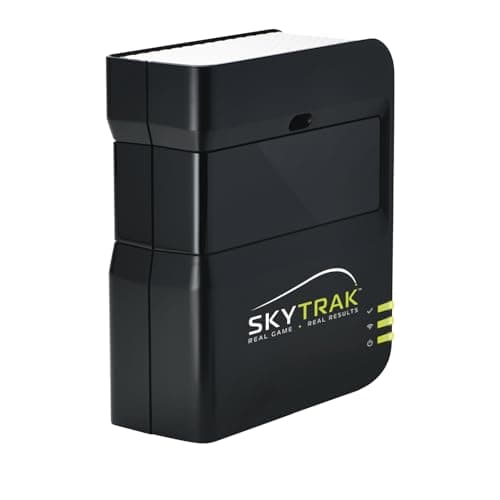
Above $400 you are buying either a launch monitor or serious travel gear. A launch monitor measures ball and club data and turns a garage or a garden net into practice that means something — it is the one category a well-equipped golfer almost certainly does not own, because it did not exist at a consumer price until recently.
Check the space before you buy one. These need ceiling height and a run-up, and a golfer in an apartment with no yard has nowhere to put it. The home simulator guide leads on that constraint rather than on price, for exactly this reason.
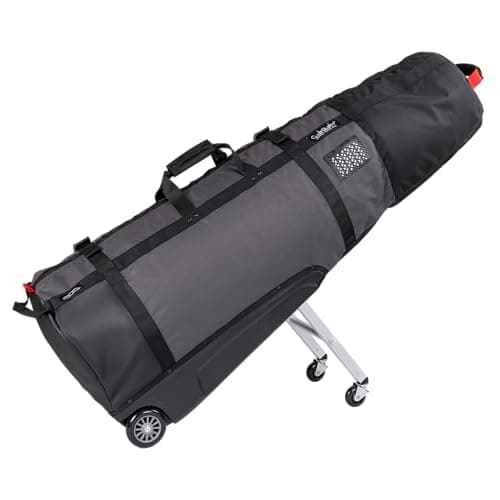
Travel gear is the quieter option in this band and lands better than it sounds. A golfer who flies with clubs has either bought a cheap cover and worries about it every trip, or borrows one. A proper travel bag with a support system inside removes a real anxiety, and nobody buys one for themselves until the trip is already booked.
The luxury gift that costs $60
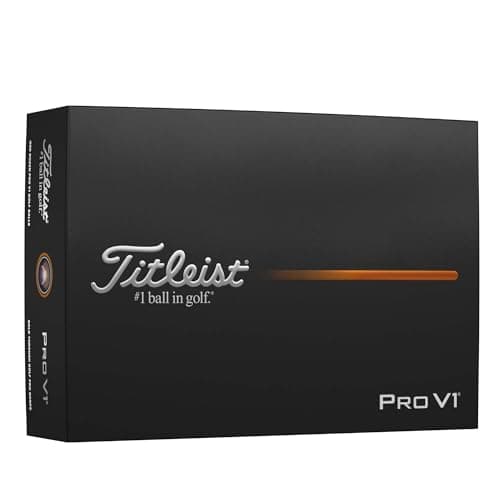
There is one exception to all of this and it is worth knowing. A golfer who plays with mid-price balls and would like tour balls will usually not buy them, because losing a $6 ball in a lake is a different experience from losing a $2 one. Several dozen premium balls is a gift they will genuinely enjoy and would never have bought — it just does not look like $200 in a box.
Buy it as the second gift rather than the first. As a main present, a dozen golf balls reads as a small gift no matter what it cost.
On engraving at this price
Engraving an expensive device is a mistake. It voids nothing and looks fine, but it makes the item impossible to resell or pass on, and it turns a considerate present into a permanent one. If you want the gift to be personal, do it on something small and replaceable — the personalized golf gifts page covers where personalization actually works.