PIN & PUTT

04 / Gear / Chrome Soft Alternatives

Callaway Chrome Soft alternatives

The Chrome Soft is a good ball and this site recommends it. These are the situations where it is still the wrong box to give.

#ad — we earn a commission if you buy through this link, at no extra cost to you, and it does not change our picks. Full disclosure.

Our top pick · The golfer who plays a lot

Titleist Pro V1

The ball most serious golfers actually want, and the one they rarely buy for themselves.

Why we picked it, and who it's wrong for

Check price$47.99

#ad · Live price, checked November 22, 2026. Amazon's is the one that counts.

Golf balls and tees arranged on a dark surface

By Stephen V.

How we pick

The short answer

The short answer

Same class, other big name: the Titleist Pro V1. Same script on the box for a fraction of the money: the Callaway Supersoft. A slower swing or a new golfer: the Srixon Soft Feel or Wilson Duo Soft, which they will play better golf with, not worse. None of this is a criticism of the Chrome Soft — Callaway lists it as a multi-layer ball with a urethane cover, and we carry it as a pick on our golf ball page.

Prices checked November 22, 2026

The short answer

Quick picks

#ProductBest forScorePrice
01
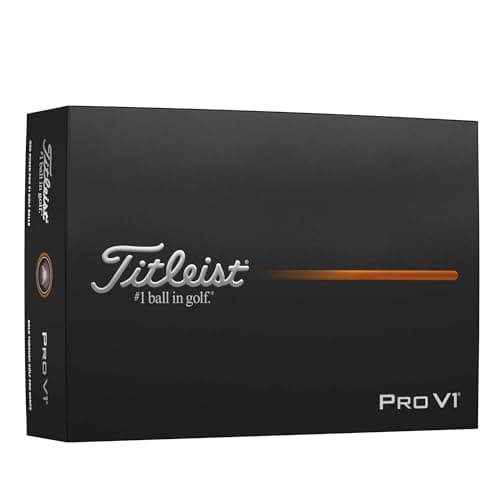
Titleist Titleist Pro V1
Titleist Pro V1

The ball most serious golfers actually want, and the one they rarely buy for themselves.

The golfer who plays a lot8.5/10$47.99Amazon
02
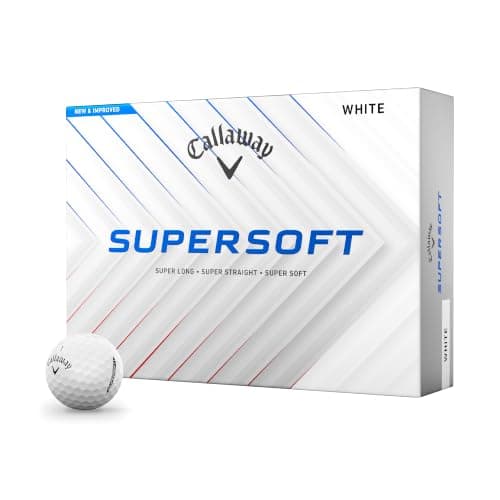
Callaway Callaway Supersoft
Callaway Supersoft

The safest dozen you can hand a golfer you don't know much about.

Almost any golfer8.5/10$24.99Amazon
03
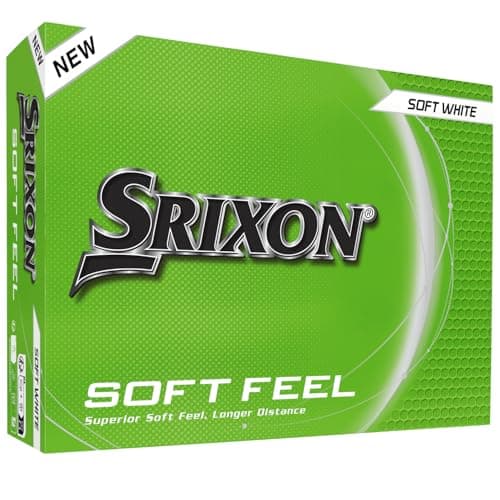
Srixon Srixon Soft Feel
Srixon Soft Feel

A quietly excellent ball that costs the same as the supermarket options.

Slower swing speeds8.3/10$24.99Amazon
04
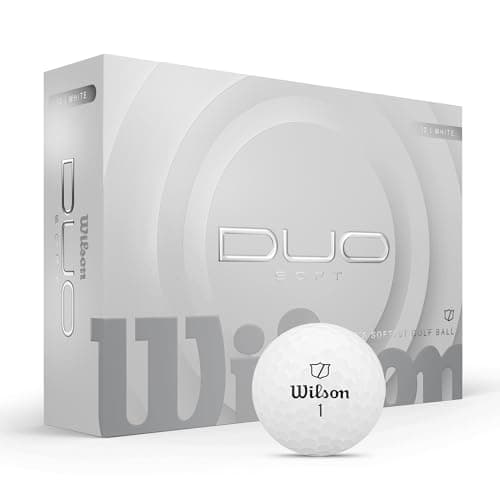
Wilson Wilson Duo Soft
Wilson Duo Soft

About as soft as a golf ball gets, at an unremarkable price.

Beginners and slow swings8.0/10$22.99Amazon
05
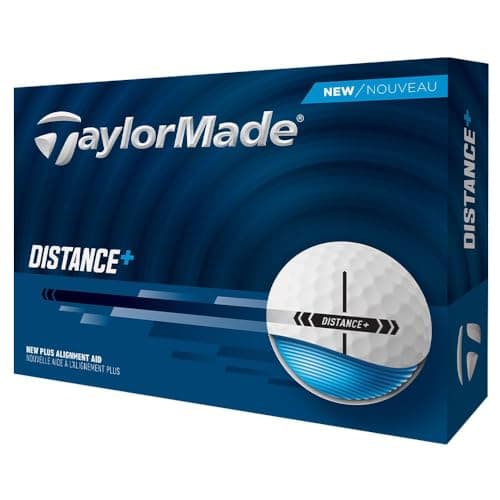
TaylorMade TaylorMade Distance+
TaylorMade Distance+

A recognized brand at the lowest price a recognized brand comes at.

Filling out a bigger gift7.8/10$21.97Amazon

#ad · Live prices from the Amazon product API, checked November 22, 2026. Where we have no verified live price we show none — we would rather leave a gap than print a number that has rotted.

The picks

Every pick, and who it's wrong for

Titleist Titleist Pro V1

01The golfer who plays a lot

Titleist Pro V1

The ball most serious golfers actually want, and the one they rarely buy for themselves.

What it is
The best-known premium golf ball there is. Titleist publishes it as a multi-layer ball with a urethane cover — the soft outer material that lets a skilled player put spin on it.
Why a golfer wants it
This is the ball you see on television. At roughly twice the price of a normal dozen, plenty of regular golfers ration them or save them for competition, which is exactly what makes a box of them a good gift rather than a purchase.
  • Titleist publishes: urethane cover
  • Multi-layer
  • 12-ball box

Skip this if

They've been playing under a year. A beginner loses a dozen balls in two rounds, and there is no version of that where spending premium money per ball makes sense. Get them the Supersoft and spend the difference on something they keep.

Check price$47.99

$57.9917% off

Price checked November 22, 2026. Amazon's is the one that counts.

#ad · we may earn a commission from this link to Titleist Pro V1

Callaway Callaway Supersoft

02Almost any golfer

Callaway Supersoft

The safest dozen you can hand a golfer you don't know much about.

What it is
A box of twelve golf balls. Callaway publishes this one as a low-compression ball, which is the industry's way of saying it is built to squash more easily when it is hit.
Why a golfer wants it
Golfers lose balls constantly — water, trees, tall grass — so a fresh dozen is a genuinely consumable gift that gets used. This particular model is the one that suits the widest range of swing speeds, which matters when you don't know how hard the recipient hits it.
  • Callaway publishes: 2-piece
  • Low compression
  • 12-ball box

Skip this if

They play seriously and already have a ball they are loyal to. Committed golfers get weirdly attached to one model, and switching is a real decision for them, not a free upgrade.

Check price$24.99

$26.997% off

Price checked November 22, 2026. Amazon's is the one that counts.

#ad · we may earn a commission from this link to Callaway Supersoft

Srixon Srixon Soft Feel

03Slower swing speeds

Srixon Soft Feel

A quietly excellent ball that costs the same as the supermarket options.

What it is
A soft, two-piece ball that has been in Srixon's line for years and gets updated periodically. This is the 14th version.
Why a golfer wants it
Srixon is a serious golf brand without the price premium of the biggest names, so this is a genuinely good ball rather than a cheap one. It is a good fit for older golfers and anyone who doesn't swing especially hard.
  • Srixon publishes: 2-piece
  • Soft feel
  • 12-ball box

Skip this if

The recipient is a brand loyalist. Srixon is respected but it isn't the name a non-golfer would recognize, which means it reads as a well-informed gift to a golfer and a random one to everyone else.

Check price$24.99

Price checked November 22, 2026. Amazon's is the one that counts.

#ad · we may earn a commission from this link to Srixon Soft Feel

Wilson Wilson Duo Soft

04Beginners and slow swings

Wilson Duo Soft

About as soft as a golf ball gets, at an unremarkable price.

What it is
Wilson markets this as one of the softest balls on the market. Very low compression — it deforms easily on contact.
Why a golfer wants it
Soft balls are more forgiving of a slow or inconsistent swing, and they feel better off the club, which for a new golfer is most of the enjoyment.
  • Wilson publishes: very low compression
  • 2-piece
  • 12-ball box

Skip this if

They're a low-handicap player. Very soft balls give up control around the green, and a good player will find them mushy.

Check price$22.99

$24.998% off

Price checked November 22, 2026. Amazon's is the one that counts.

#ad · we may earn a commission from this link to Wilson Duo Soft

TaylorMade TaylorMade Distance+

05Filling out a bigger gift

TaylorMade Distance+

A recognized brand at the lowest price a recognized brand comes at.

What it is
TaylorMade's entry-level distance ball — the cheapest dozen they make with their name on it.
Why a golfer wants it
If you're building a gift basket or padding out a main present, this puts a real golf brand in the box for the price of a supermarket dozen.
  • TaylorMade publishes: 2-piece
  • Distance model
  • 12-ball box

Skip this if

This is the whole gift for someone who plays a lot. It's a fine ball, but as a standalone present for a keen golfer it reads as an afterthought.

Check price$21.97

Price checked November 22, 2026. Amazon's is the one that counts.

#ad · we may earn a commission from this link to TaylorMade Distance+

What to know

Before you buy

What the Chrome Soft is known for

Start with the thing itself, because an alternative only makes sense against it. Callaway sells the Chrome Soft as a multi-layer ball with a urethane cover, in a twelve-ball box, and those are the two terms that define it.

Urethane cover means the outer skin is a soft material that grips the grooves of a wedge at impact. That grip is spin, and spin is what makes a ball stop on a green instead of running through it. The cheaper alternative material, ionomer, is harder — it lasts longer, scuffs less and spins less.

Multi-layer means a core, one or more mantle layers and the cover, each tuned to behave differently at different speeds: firm off a driver, soft off a wedge. That is the engineering the price pays for.

The name is also doing work. "Soft" refers to feel at impact — a muted, compressed sensation rather than a click — and Callaway built an entire family around the word, which is where most of the confusion on this page comes from. The Chrome Soft and the Supersoft are not the same kind of ball at all, despite the names.

The three honest reasons to buy something else

1. They are a Titleist golfer. Golfers pick sides on equipment in a way that looks baffling from outside, and the ball is where it shows most. A golfer who has played Pro V1s for fifteen years will thank you politely for a box of Chrome Softs and put them in the garage. The tell is in their bag: look at the driver headcover and the glove, and look at what is in the ball pocket.

2. The golfer cannot use what the cover does. This is the bigger reason and almost nobody says it out loud. A urethane cover converts clubhead speed and a clean strike into spin. A golfer who does not generate much speed, or who does not find the middle of the face reliably, gets very little of that benefit and pays roughly double a dozen for it. For a first-year golfer — who will also lose a dozen balls in two rounds — a softer, simpler, cheaper ball is the better ball, not the compromise. Our page on whether expensive balls are worth it goes through the evidence.

3. You want the gift to be bigger than a dozen balls. A premium box is a complete, correct, slightly small present. The same money in a cheaper dozen plus a good glove or two towels reads as more thought and gets used more often.

What is not a good reason is budget alone when the recipient plays several times a week and already buys premium balls. Regular golfers ration them, or save them for competition, which is precisely what makes a box a good gift rather than a purchase.

Matching an alternative to the golfer

The brand-for-brand swap: Titleist Pro V1.The same class of ball from the other big name — Titleist publishes it as a multi-layer ball with a urethane cover, which is the same specification in the same words. It is the most recognized box in golf, which matters in a gift, and it is the right answer whenever you have seen Titleist anywhere near their bag. Its disqualifier is the same as the Chrome Soft's: at this price, brand loyalty is the safest guide you have.

The same-brand-cheaper answer: Callaway Supersoft. Same script on the box, a much simpler build inside, and roughly a third of the price. This is the pick for a Callaway golfer with a moderate swing, and the one honest rule is to give it as what it is rather than implying it is the premium one — a golfer who knows balls will know immediately. It is also the ball this site ranks first overall for ordinary golfers, which says something about how little the premium tier does for most of them.

The slower-swing upgrade: Srixon Soft Feel.A two-piece soft ball from a serious golf brand without the biggest brand's price premium. For a golfer whose swing speed is dropping — or never was high — this performs better than a premium ball does, because a low-compression core is designed to be compressed by a slower swing. Its disqualifier is social rather than technical: it reads as a well-informed gift to a golfer and a random one to everybody else.

The beginner answer: Wilson Duo Soft. The softest-feeling ball on the page and the cheapest route to a recognized name. A beginner loses balls, and the right ball for somebody losing six a round is one they will not mind losing.

The distance-first answer: TaylorMade Distance+. Most amateurs care about hitting it further than about stopping it on a green, and this is the ball built for that preference. Skip it for a golfer who talks about their short game — a distance ball is harder to stop — but for the golfer whose only stated goal is another ten yards it is exactly right.

Compression, briefly, because it is the one spec worth knowing

Compression is how much the ball deforms when it is struck. A low-compression ball is designed to be squashed by a slower swing, which is how it gets distance; a high-compression ball needs speed to work properly and feels like a rock if it does not get it.

The useful version of this for a gift buyer is a rule of thumb: the faster and younger and more practiced the golfer, the more a premium high-performance ball earns its price, and the more casual the golfer, the more a soft low-compression ball out-performs it in their hands. The full explanation is on its own page, and it is the single most useful thing a non-golfer can learn about balls.

What to avoid instead

Unbranded or recovered "lake ball" dozens. Any golfer identifies an unbranded ball instantly, and recovered balls vary in condition in ways you cannot inspect through the packaging. The saving is a couple of dollars and the cost is the whole gift.

Buying the Chrome Soft X instead to be safe. The X models in every premium family are firmer and built for faster swings. If you were unsure whether the standard version suited them, the X is further from the answer, not closer.

Mixing a premium dozen with custom printing as a surprise. Personalized balls are a good gift — we carry a printed option — but printing makes the box unreturnable, so it is a worse place to guess at a brand preference.

One non-ball alternative, since it keeps coming up: a premium glove sits at a similar price to a premium dozen, nobody ever has too many, and the glove decision has its own page with the same structure as this one.
FAQ

Questions people actually ask

What is the closest alternative to a Callaway Chrome Soft?

The Titleist Pro V1 — the same specification in the same words (multi-layer, urethane cover) from the other big name. To stay with Callaway and spend far less, the Supersoft, which is a different kind of ball despite the similar name.

Is the Callaway Supersoft the same as the Chrome Soft?

No. Both carry Callaway's "soft", which is about feel, but the Chrome Soft is a multi-layer urethane ball built for spin control and the Supersoft is a simpler low-compression ball at a fraction of the price. For most golfers the Supersoft is the better ball; for a good player they are not interchangeable.

Should I buy a cheaper ball for a beginner?

Yes, and not only to save money — a urethane cover needs speed and a clean strike to do anything, and a beginner loses balls. A soft low-compression ball is the better ball in their hands.

How current are the prices on this page?

Fetched from the Amazon product API and stamped with the checked date above the table. Each pack size is its own listing, so the figure belongs to the one named. Past 48 hours the numbers disappear rather than go stale.

Sources

Where these facts come from

Specifications are the manufacturer's own published figures, not our measurements. We don't test products and don't claim to.

  • Amazon product data — every price on this page, and every spec attributed to a listing, comes from the live Amazon listing through the Amazon product API

Read next