What the Pro V1 is actually known for
Titleist publishes the Pro V1 as a multi-layer golf ball with a urethane cover, sold in a twelve-ball box. Those two words — multi-layer and urethane — are the whole product, and they are worth understanding before you shop for a substitute, because they are also what every genuine alternative is being measured against.
Urethane is a soft outer cover material. A soft cover grips the grooves of a wedge at impact and lets a skilled player put enough backspin on the ball to make it stop on a green instead of running through it. Cheaper balls use a harder ionomer cover, which is more durable and spins less.
Multi-layer means the ball has a core, one or more mantle layers and the cover, each tuned to behave differently at different clubhead speeds — firm off a driver, soft off a wedge.
It is also the ball a golfer sees on television every weekend, which is a real part of why it is the default. We rate it highly and it is the number two pick on our main golf ball page. Nothing on this page is a criticism of it.
The two honest reasons to buy something else
1. The golfer is loyal to a different brand. Golfers pick sides on equipment in a way that outsiders find slightly baffling, and giving a Titleist box to a committed Callaway player is a small, quiet misfire. The tell is on the driver headcover and the glove. If it says Callaway, buy the Chrome Soft.
2. The golfer cannot use what the cover does. This is the bigger one and the one almost nobody says out loud. A urethane cover converts clubhead speed and a clean strike into spin. A player who does not generate much speed, or who does not strike the ball consistently from the center of the face, gets very little of that benefit and pays roughly double per dozen for it. For a golfer in their first year — who will also lose a dozen balls in two rounds — a softer, simpler, cheaper ball is genuinely the better ball, not the compromise. That argument is laid out properly in are expensive golf balls worth it.
What is not a good reason is budget alone, if the recipient plays several times a week and already buys Pro V1s for themselves. In that case the premium box is exactly the right gift, precisely because they ration them.
Matching an alternative to the golfer, pick by pick
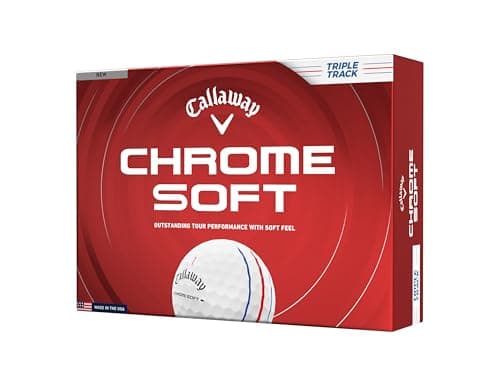
Callaway Chrome Soft — the straight swap.Callaway publishes the same urethane cover and multi-layer construction, which puts it in the same class rather than a tier below. This is the alternative for somebody who wants a premium box without the Titleist script. Its disqualifier is the same as the Pro V1's: at this price the safe move is the brand you have actually seen in their bag, and if you have not seen their bag, buy something cheaper. We also run a direct Pro V1 vs Chrome Soft comparison if you want the two side by side.
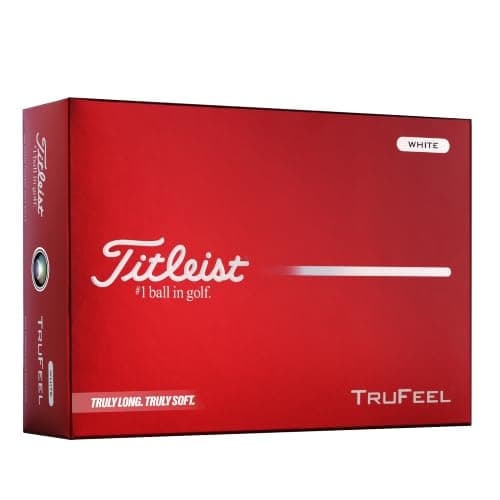
Titleist TruFeel — the same name, a third of the price. Titleist publishes this as its softest and least expensive model: a two-piece ball with the same script on the box and a much simpler build inside. For a brand-conscious golfer on a budget this is the cleanest answer on the page. The honest caution is in its own disqualifier — if the recipient knows golf balls they will know the difference immediately, so give it as what it is rather than implying it is the premium one.
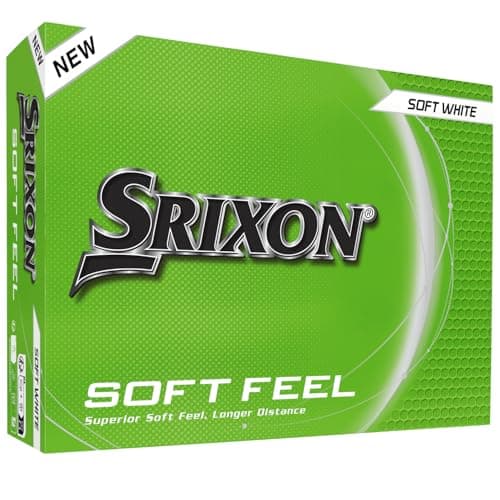
Srixon Soft Feel — the quiet upgrade for a slower swing.A two-piece soft ball from a serious golf brand without the biggest brand's price premium, and the best fit here for an older golfer or anybody who does not swing hard. Its disqualifier is social rather than technical: Srixon reads as a well-informed gift to a golfer and a random one to everybody else, so it is the wrong pick if brand recognition is part of the present. See also best golf balls for seniors.
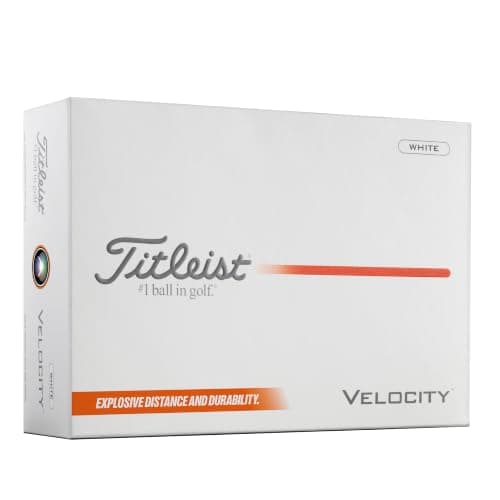
Titleist Velocity — if what they want is distance.Titleist's distance-first model: firmer, built to come off the club fast rather than to spin and stop. Most amateur golfers care more about hitting it further than about anything else, and this is the ball built for that person. Skip it if they talk about their short game, because a distance ball is harder to stop on a green and they will notice.
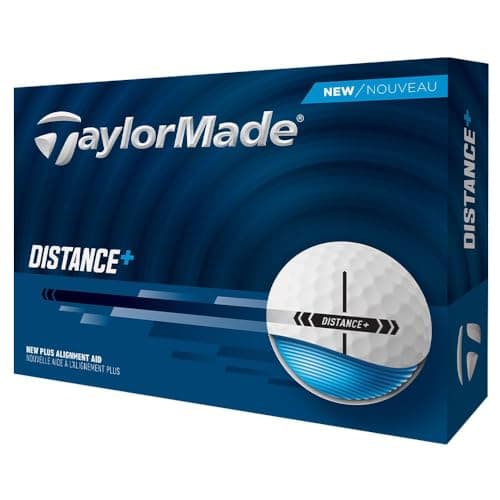
TaylorMade Distance+ — the budget pick. The cheapest dozen on this page with a brand a golfer recognizes on it, which makes it the right thing for filling out a bigger gift or a gift basket. As the whole present for a keen golfer it reads as an afterthought, which is its disqualifier.
What to avoid instead of a Pro V1
Unbranded or "lake ball" dozens. Any golfer identifies an unbranded ball instantly, and recovered balls vary in condition in ways you cannot inspect through packaging. The saving over the TaylorMade pick above is a couple of dollars and the cost is the whole gift.
And one genuine alternative that is not a ball at all: if the reason you were looking at a Pro V1 is that it is the recognizable premium thing, a premium glove occupies exactly the same price point and nobody ever has too many.
The mirror-image question comes up just as often, because the two premium boxes are the same decision from opposite sides. If the golfer you are buying for plays Callaway rather than Titleist, Callaway Chrome Soft alternatives runs the same test on that ball - including the same-brand cheaper box, which is the swap most gift buyers are actually looking for.