How this page is filtered, and why that matters here
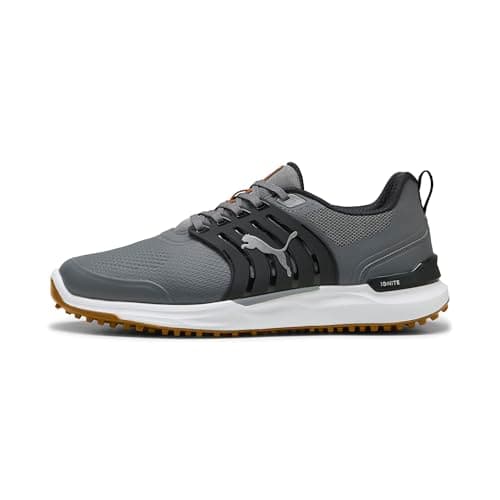
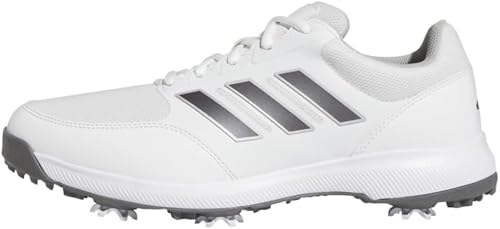
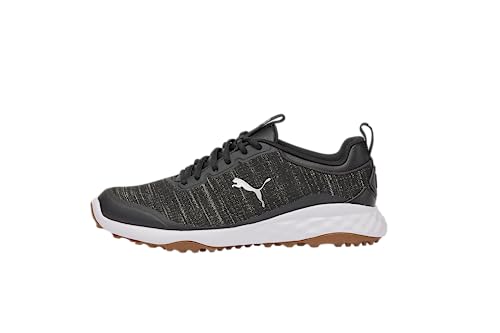
Every shoe below qualified for the under-$100 band on a price we fetched from the Amazon product API, not one we typed into a template. A shoe with no verified price does not appear on this page at all, and one that moves above $100 drops off rather than sitting under a heading it cannot afford. The figure beside each pick is a separate, request-time read that carries its own checked date.
That mechanism matters more in footwear than almost anywhere, for a reason specific to how shoes are listed: each size and color is its own listing with its own price. The same model can be $55 in one size and $95 in another, because what is on offer is whatever stock remains. So the price you see here belongs to the exact listing we checked, and a different size of the same shoe may sit either side of it. It is also why a hand-written price list on a page like this would be wrong within a week.
This band did not exist on the site until now, and the reason is worth saying out loud: when we last checked, only two shoes in our registry sat under $100 with a verified price, which is not enough for a page. Three more were resolved and priced on the day this page was written, which is what made it honest to publish.
The sizing warning, which is bigger than the budget
We would rather lose the sale than have you buy the wrong thing, so, plainly: golf shoes are the highest-risk gift category on this site, and the price band does not change that. It makes it slightly worse, because a cheaper shoe has less give.
A golfer walks around five miles in them, on grass that is uneven and often wet, while making a movement that puts real lateral force through the foot. They need a length and a width, and sizing conventions differ meaningfully between brands — the same stated size from two makers is not the same shoe. A half-size error is not a minor annoyance here; it is a pair that does not get worn.
So the rule is simple. Read the size and the width off a pair they already own — it is printed inside the tongue or on the insole — and buy that. If you cannot do that, do not buy shoes. Buy a shoe care kit or a ventilated shoe bag, both of which are useful to any golfer at any size, and let them pick the shoes. Our main golf shoe page makes the same argument at length, and whether golf shoes are needed at all is a fair question to settle first.
What $100 buys, and what it does not
It buys waterproofing. This is the one spec worth insisting on, because it is the difference between a golf shoe and a trainer with a pattern on the sole. Wet grass at eight in the morning soaks a non-waterproof shoe inside three holes. Two picks here publish a waterproof upper; the others do not, and that is reflected in where they sit. Note the distinction between waterproof and water-resistant, which is not marketing noise — we have a page on exactly that.
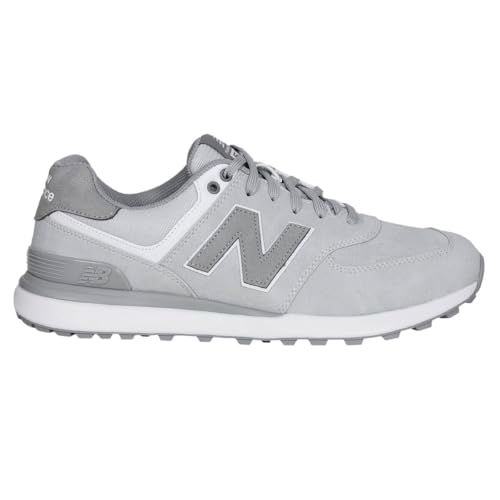
It buys a brand they recognize. adidas, Puma, Skechers and New Balance all sell golf shoes under $100. In a gift that is worth something real: a golfer opening a box with a name they know on it reads it as a proper present rather than a substitute.
It buys a width, sometimes. Two picks here are listed in graded widths, which is unusual at this price and is the single most useful feature on the page for a golfer whose feet are wider than average. If that is your golfer, start there — and see our wide-feet guide.
What it does not buy is a warranty you would rely on and a sole that lasts five seasons. The premium end of the category sells two-year waterproof guarantees and outsoles that survive heavy use; under $100 you are buying one or two seasons of regular play, more if the golfer plays monthly. For most gift recipients that is the correct amount of shoe.
It also does not buy the latest model. Every shoe here is a current listing but several are models the maker has since revised, which is precisely why the price is what it is. For a gift that is a feature, not a flaw.
Spiked or spikeless at this price
Both exist under $100 and the choice is about where the shoes get worn.
Spikeless — molded rubber nubs, no removable cleats — grips well on dry and damp turf, is comfortable to walk on hard ground, and can be worn into a clubhouse or a car without a second thought. It is the right default for a golfer who plays casually and drives to the course in their shoes.
Spiked — replaceable cleats threaded into the sole — grips better on wet grass and on slopes, which is a real advantage on an early-morning or hilly course. The cost is that spikes are unpleasant on hard floors, some clubs ask for them to be changed before going inside, and they are a consumable that wears out and needs the right thread pattern to replace. The full comparison is here.
If you do not know which they prefer, buy spikeless. It is the version that cannot be actively inconvenient.
Choosing by what the golfer does
They play early mornings on wet grass. Buy waterproof and lean spiked. Wet feet from the first tee ruins a round in a way nothing else on this page does.
Their feet are wider than average, or they have ever complained about shoes. Buy one of the graded-width picks and buy the width, not a size up. Going up a size to find room makes the shoe too long, which is its own problem over five miles.
They are new to golf and may play three times this year. Buy the cheapest pick here. A beginner does not need a $200 shoe and will learn what they want from a cheap pair faster than from a review.
Their knees or feet complain by the back nine. Buy the comfort-platform pick — the one from a maker whose whole business is cushioning rather than golf. Tour credibility is worth nothing to a golfer whose feet hurt at the fourteenth.
They walk every round carrying their clubs. Shoes matter more to them than to anyone else, and so does the weight on their back: a lighter stand bag may be the better gift at this budget.
You cannot verify the size. Buy nothing from this page. Read the paragraph above again, then buy the care kit instead — it is the gift this site recommends to everyone it has talked out of buying shoes.
What we are not recommending
Golf sandals and golf trainers that are not waterproof. They exist at this price and they are a worse version of a normal pair of trainers.
Buying a size up to be safe. It is not safer. A loose golf shoe slides on the lateral movement of a swing, which causes blisters faster than a tight one.
Premium shoes from a marketplace seller at an impossible price. Footwear is heavily counterfeited and a flagship model at a third of its price is the clearest warning sign there is. Everything on this page is a genuine listing from a brand that sells at this price on purpose.
Spikes as an add-on gift. Replacement cleats come in several thread patterns that differ by manufacturer, and guessing produces a packet that does not fit the shoes. If the spikes are worn, that is a sign to read the size inside the shoe and buy a new pair rather than a consumable.