Why the usual gift list fails on a good golfer
Almost every golf gift guide is written for a golfer who might need a towel. Someone playing off single figures has four towels, three divot tools, a drawer of markers and a settled opinion about each. Buying them a nicer version of something they already chose is not a gift, it is a small correction they now have to be polite about.
What they don't have is the stuff they can't justify at full price, and the stuff they keep meaning to get around to. That is the entire opportunity, and it splits into three groups.
1. Premium consumables they ration
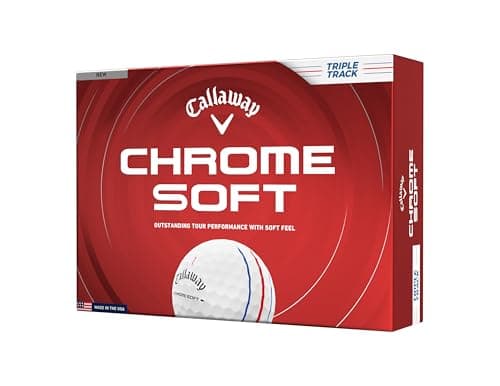
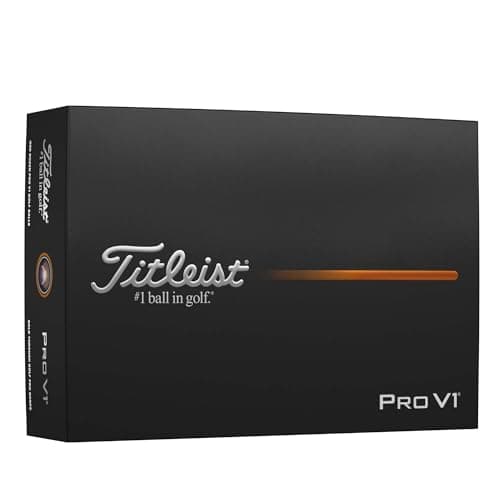
A tour-level ball costs roughly three times a soft two-piece one, and it is the single clearest example of something good golfers genuinely want and still hesitate over. Losing one in a pond stings in a way a cheaper ball doesn't, and plenty of very good players quietly save the good box for competitions. Removing that calculation is a better gift than the receipt suggests.
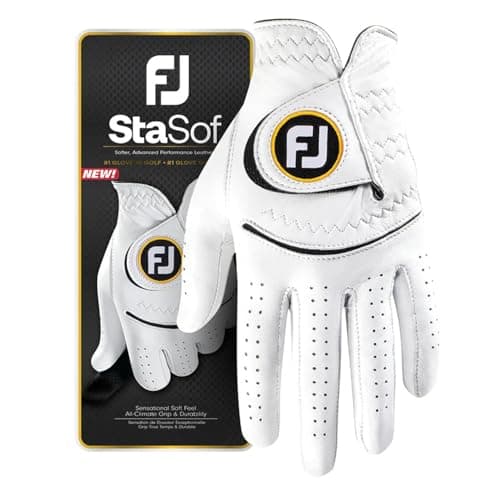
The same logic runs through gloves. A serious golfer wears through gloves several times a season, and thin premium leather is a noticeably different feel from the synthetic everyday model. It is also the one place where you need a fact from them: the size, and which hand. How to size a golf glove covers how to get that off a glove already in their bag.
Match the brand.Committed golfers are loyal to a ball model in a way that looks irrational from outside and isn't: switching changes how the ball behaves around the green. Look in the bag, buy that brand, and you have removed the only real risk here.
2. Measurement and feedback
A good player improves by knowing things — exact yardage, where the putter face pointed, how far the ball actually went. That makes measurement the one gadget category that lands with people who dislike gadgets.
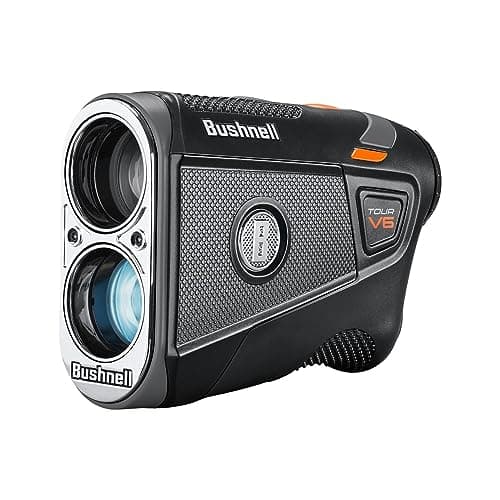
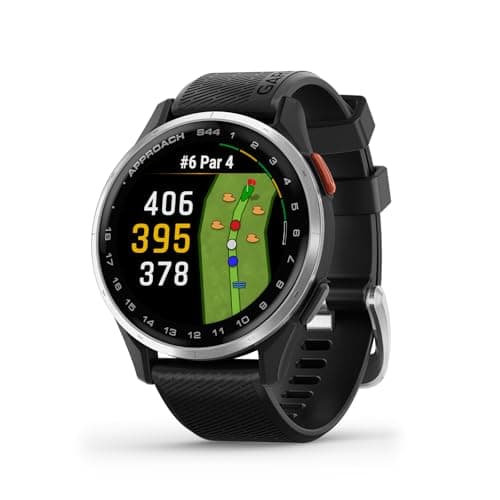
A laser rangefinder is the classic, and it is worth checking they don't already own one: look for a small rectangular pouch clipped to the outside of the bag. If it's there, move to a GPS watch, which solves a different problem — full-hole distances and hazard carries rather than a single flag number. Our GPS watch versus rangefinder comparison lays out which one suits which player, and slope versus non-slope covers the feature that decides whether a rangefinder is legal in their club competitions.
That legality point is worth a sentence of its own, because it is invisible from outside the game. Under the Rules of Golf, a distance-measuring device that reads elevation change is not permitted in competition unless the model can switch that feature off. Every model we list with slope has a switch, which is precisely why we list those ones.
3. Practice that fits into a normal week
Serious golfers almost universally want to practice more than they do, and the barrier is almost never motivation — it is that the range is a forty-minute round trip. Anything that moves practice into the house gets used far more than its price suggests.
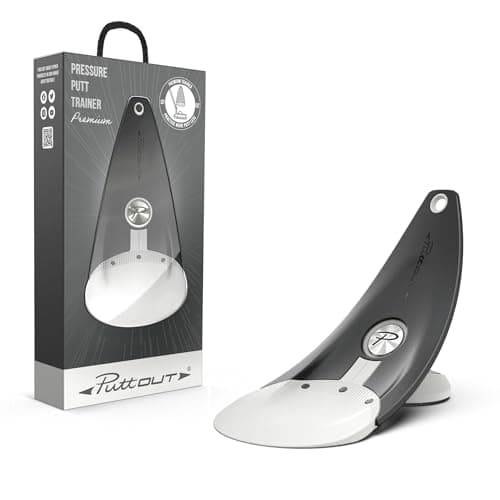
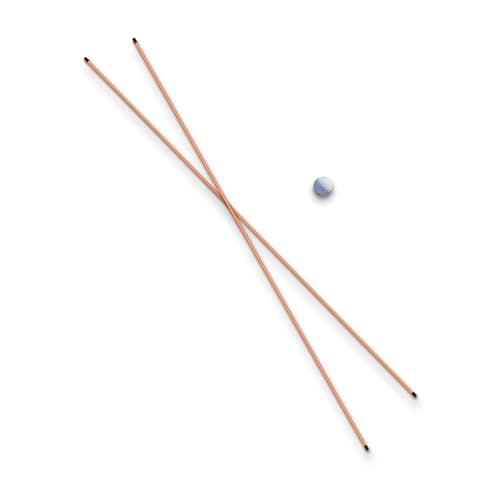
Putting is the easy win, because it needs no space and no ceiling height. Alignment sticks are the other one: they cost almost nothing, they are what you see tour players using on the range, and they aren't really a gadget at all. Our indoor golf gifts page goes deeper on what genuinely works in a house, and the training aids guide ranks the category properly.
The hard rule: never buy fitted equipment
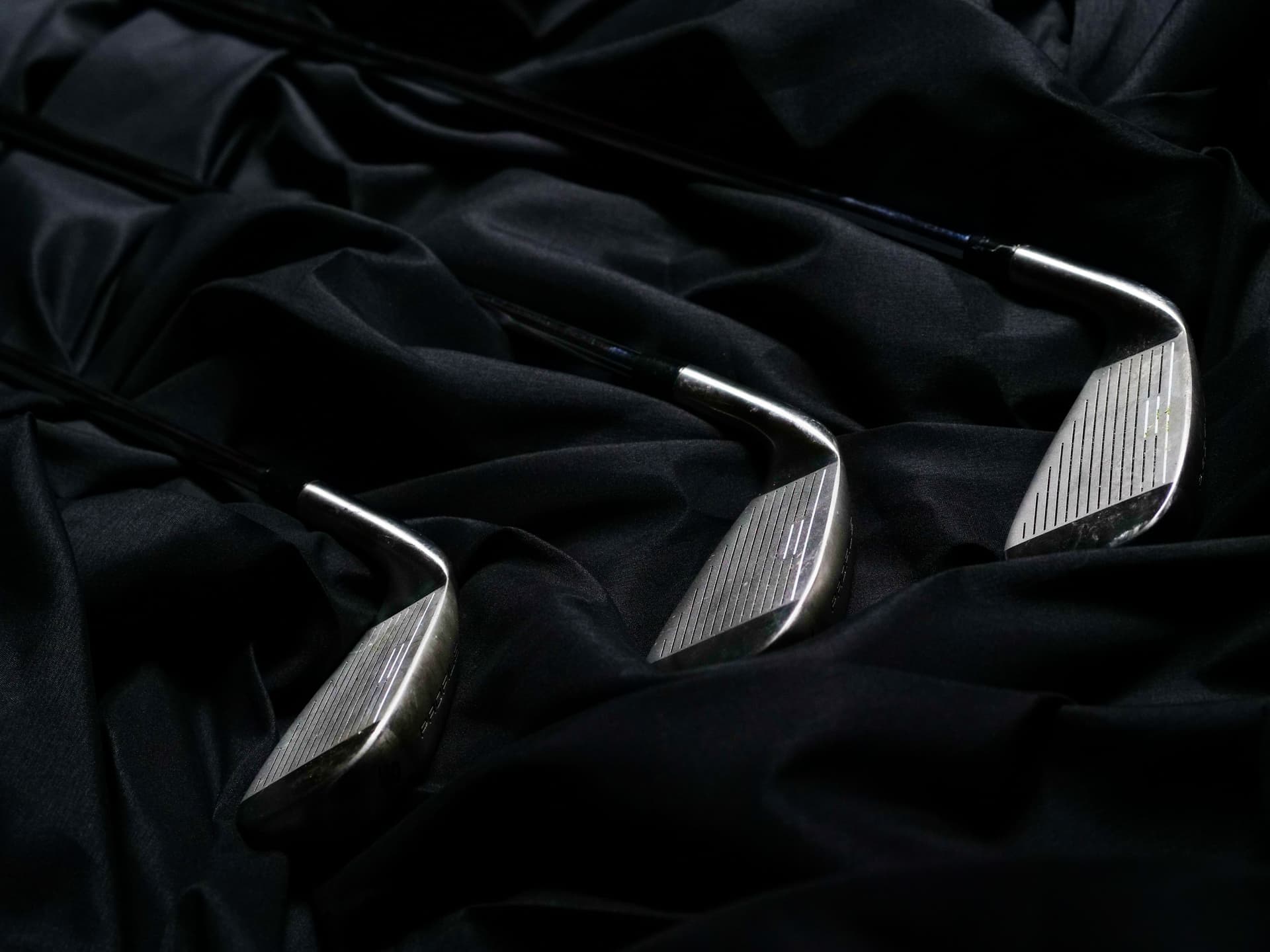
Clubs, putters, grips and shoes are fitted to a person — length, lie angle, shaft flex, grip thickness, foot width. A serious golfer has already made those decisions, often with someone measuring them while they did it. A well-meant club is the one golf gift that creates an obligation rather than a pleasure, and grips are the same problem in miniature: thickness changes how the club sits in the hands, and it is chosen, not guessed.
If you were hoping to spend club money, the honest alternative is to put it toward a fitting or a lesson and let them choose. That is not a cop-out — for a player at this level it is the highest-value thing available, and it is the one thing they can't be given by accident.
Buying for the opposite end of the scale? Golf gifts for beginners starts from the reverse assumption: that they own almost nothing, and that the risk is buying something too specialized rather than too generic.