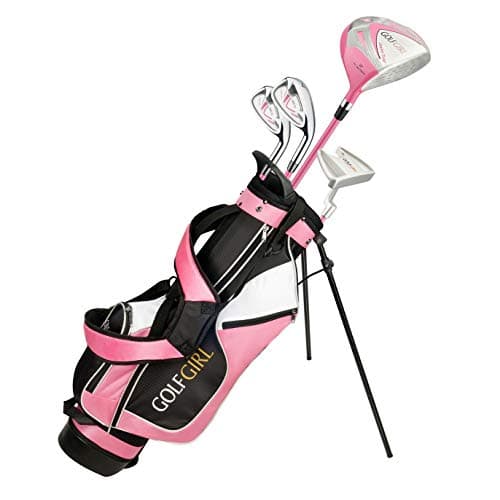
Height decides the set, not the age on the box
Junior sets are labeled with an age range because that is what people search for, but every manufacturer sizes them by height underneath. The listings say so: the two common bands are up to about 4ft 6in, and 4ft 6in to 5ft 1in.
Children of the same age vary by a foot, so the age label is a rough guide and the height is the actual specification. If you know roughly how tall the child is, you have the answer. If you don't, ask the parent — it is a completely normal question and much less awkward than the alternative.
The reason this matters is not comfort, it is technique. A child swinging clubs that are too long has to stand further from the ball and lift their hands to keep the club off the ground, and they learn a compensating swing they later have to unlearn. Correctly sized clubs are the single most useful thing a gift buyer can get right here.
Under five: buy the toy, honestly
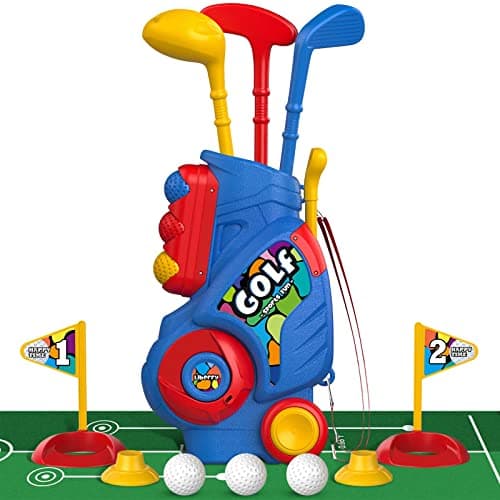
Below about five, real junior clubs are heavier than the child can control and generally end up abandoned in a corner. A plastic set with oversized heads and a small mat is the correct gift, and it is not a lesser one — at that age the entire point is swinging at something in a hallway without breaking a window.
It also costs about thirty dollars, which means nobody has wasted money if the child turns out not to care.
Five to twelve: the age it either sticks or doesn't
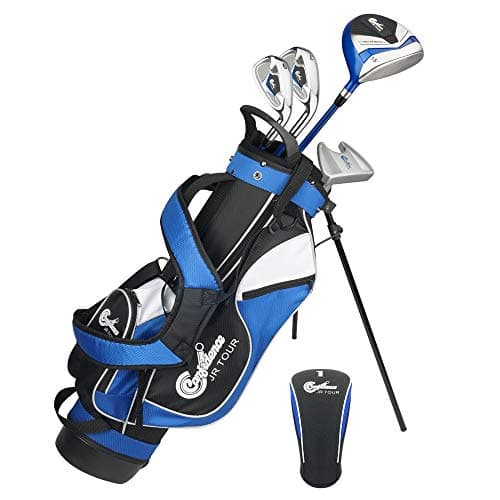
This is the band where a proper junior set makes the difference, and it turns almost entirely on one thing: can the child get the ball into the air? A junior set with light shafts and lofted, forgiving heads makes that happen. Cut-down adult clubs — a common and well-meant hand-me-down — usually do not, because the shafts are far too stiff for a child's swing speed.
A hundred dollars buys a complete starter set in this band. It is one of the few places in golf where the cheap option is genuinely the right option, because children grow through a set in roughly eighteen months and nobody should be spending four hundred dollars on eighteen months.
Teenagers who actually play
Once a junior is competing, the calculus changes. They need more clubs than a starter set carries, they will notice the brand in the bag, and they will keep the set for longer because they have stopped growing so fast.
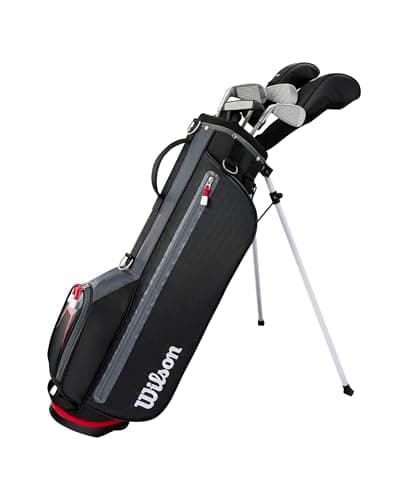
This is the point where a full junior package set from a name like Wilson is worth the money — and also the point where it is worth asking before buying, because a teenager with a coach may already have specific plans.
The cheap gifts that get used the most
Ask any golfing parent what a junior actually uses and the answer is rarely the clubs. It is the things that work indoors, in a garden, in the ten minutes before dinner.
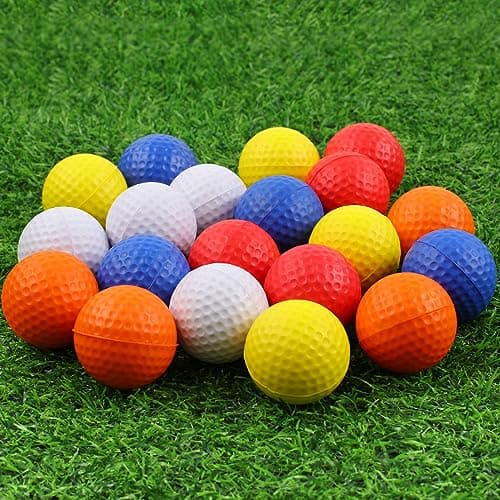
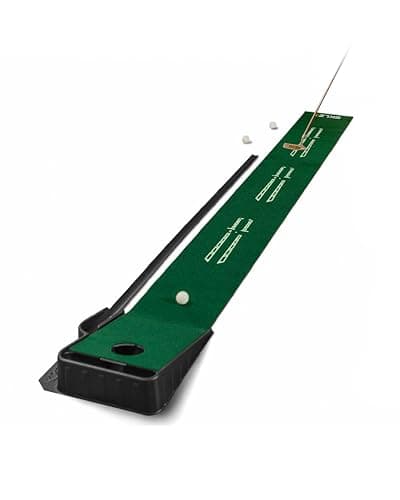
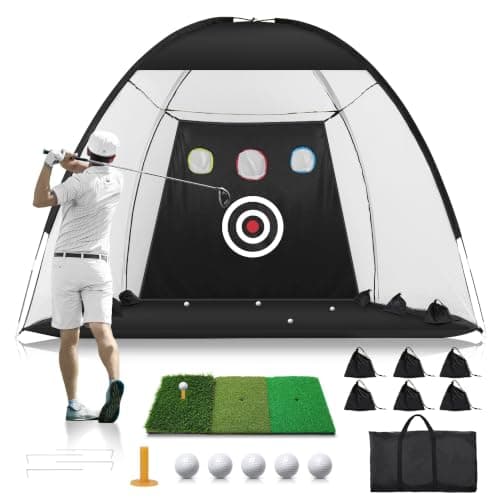
Foam balls are the best eight dollars on this page: full-size, limited flight, and safe to hit in a hallway. A putting mat turns a corridor into practice and is the one golf skill a child can genuinely master at home. A practice net converts a garden into somewhere to hit real balls, which is the difference between a child who plays golf a few times a summer and one who plays every day.
None of these require you to know a height, a hand or a size, which makes them the safe choices when you are buying for a child you do not know well.
Junior balls are a real thing, not a marketing one
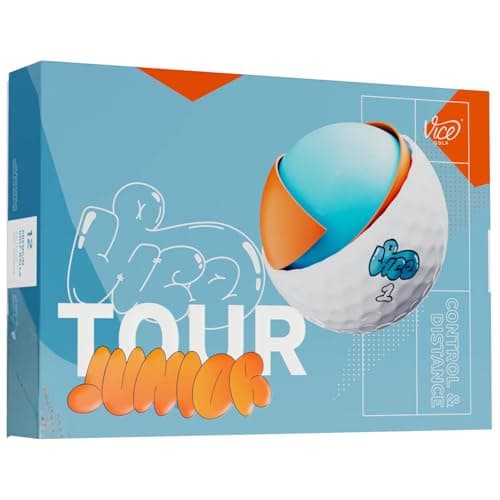
Children swing slowly, and a firm adult ball does not deform enough at those speeds to go anywhere much. Junior balls are built soft and low-compression for exactly that reason, and they genuinely travel further for a young player. There is more on why in golf ball compression explained.
For a strong teenage player, the special junior ball stops being necessary — by then a normal soft ball from our golf ball guide is the better buy.
What to avoid
Cut-down adult clubs. The shafts are far too stiff and heavy, and the child learns to fight the club rather than swing it.
Golf shoes, unless you know the size — children's feet change fast and a pair bought a size ahead is a pair that gets worn twice.
Anything with a logo of a professional golfer. Children's allegiances change faster than the merchandise does.
And left-handed children deserve a specific mention: junior sets are sold by hand as separate listings just as adult ones are, and a left-handed child handed a right-handed set cannot use it at all. Roughly one in ten, and worth the question.
If you have decided the clubs themselves are the gift, the sizing work is on best junior golf clubs, which sorts the sets by the height band each manufacturer publishes rather than by the age on the box.
If the child plays left-handed, the handedness question runs through the whole bag rather than just the clubs. Golf gifts for left-handed golfers lists exactly what has to be bought in the correct hand - and the much larger set of gifts that works either way.