The only thing that decides whether a training aid is worth it
It isn't the technology. It's whether it gets used, and that comes down almost entirely to how much friction there is between the golfer and using it. A gadget that has to be assembled, plugged in or taken to a range gets used twice and then lives in a cupboard. A tool small enough to leave out in a living room gets picked up while the kettle boils. When you're buying a training aid as a gift, the honest question isn't "does it work" but "will it still be out in a month".
That single test does most of the sorting. It's why a modest putting trainer is a better gift than an expensive launch monitor for most golfers, and why the picks below skew toward the small and the durable rather than the clever.
Putting is where a training aid pays off fastest
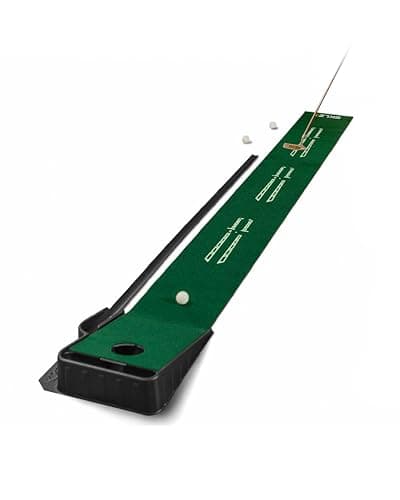
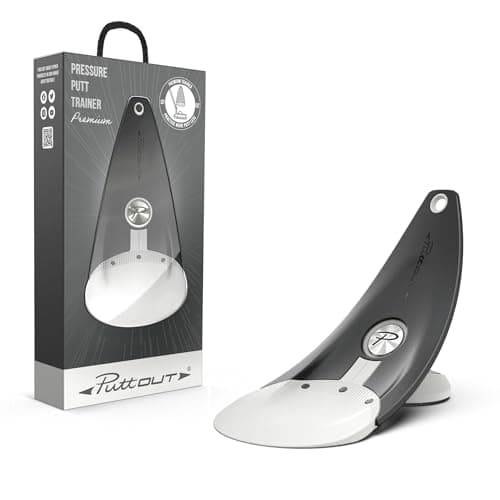
Putting is roughly 40% of the shots in a round and the easiest thing to practice at home, which makes it the highest-return category here by a distance. A pressure putt trainer— a small curved ramp that returns a good putt and rejects a bad one — gives feedback without needing a hole, and it's small enough to sit in a corner permanently. A putting mat with a ball return is the step up: the reason people stop practicing putting indoors is fetching the ball, and a return ramp removes exactly that. Both want a flat, firm floor — deep carpet makes the roll wobble, so check they have somewhere suitable.
The full-swing options, and their honest limits
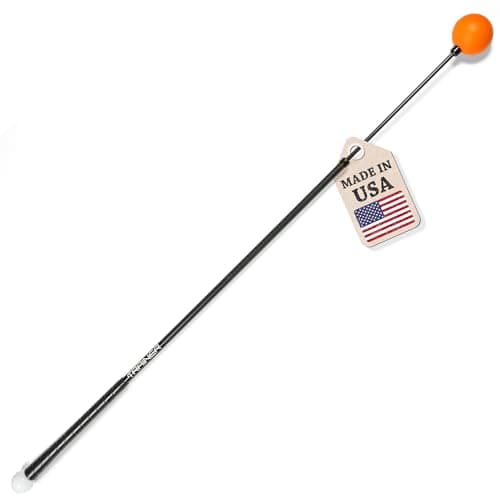
Full-swing aids are harder to gift well because they need space. The exception worth knowing is the Orange Whip— a flexible, weighted shaft swung as a tempo drill rather than to hit anything. It earns its place because it turns up in genuine tour warm-up bags, which is about the strongest signal this category offers, but it still needs a clear radius to swing, so it's a garden or range item rather than a living-room one.
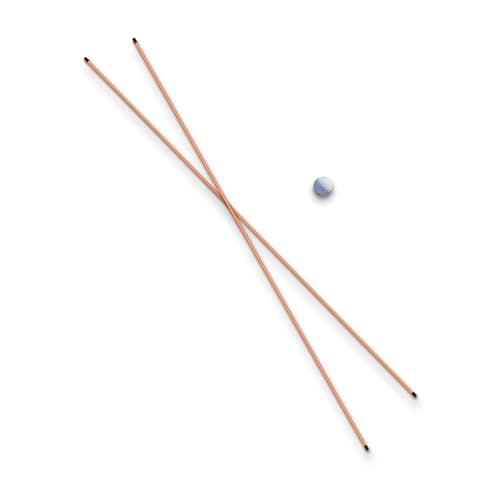
Alignment sticksare the quiet overachiever: two rods laid on the ground to show where the feet and club face actually point. Aiming badly is one of the most common amateur faults and one of the hardest to see from the inside, which is why you'll see alignment sticks on every professional practice range. They're cheap, they last forever, and they aren't really a gadget — which is exactly why they work.
Turning a garden into a range
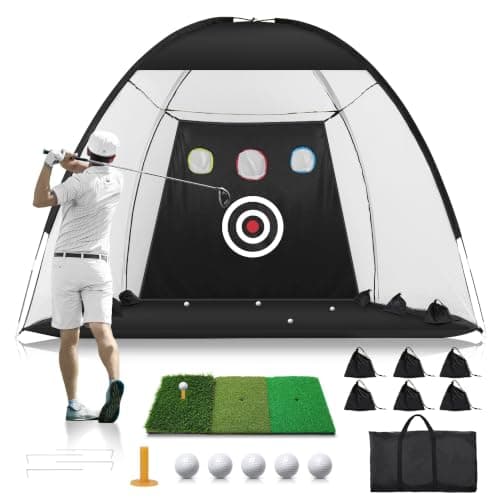
A practice net with a hitting mat is the big-ticket pick, and it changes the most for a golfer with the space for it. Range balls add up fast and the range is a trip; a net at home turns ten spare minutes into practice, which is the only way most people actually improve. The honest caveat is real: golf balls hit into a net are loud and need genuine outdoor room to be safe, so this is wrong for a flat or a house with close neighbors.
Who a training aid is the right gift for
Training aids suit a specific golfer: one who wants to get better and will actually practice. For a golfer who only ever plays and never practices, even the best aid on this page will sit unused — a consumable like balls or a comfort upgrade is a better bet for them. But for an improver, a beginner finding their feet, or the golfer who has every piece of on-course gear already, a well-chosen training aid is a genuinely thoughtful gift. See gifts for beginners for the adjacent picks, and how we pickfor why we don't claim to test any of this.
One recipient to treat differently here: a teaching professional. A coach uses alignment sticks in every lesson and gets through them, but anything advertised as curing a slice is a product in their own field and can read as a comment on their game - golf gifts for a golf coach sorts the tools from the gadgets.
Two of the aids here have their own page, because the question people actually ask is whether they work rather than which to buy. Are indoor putting greens worth it? separates what a mat can teach - stroke and start line - from what it cannot, and how to use alignment sticks sets out the four drills that cover almost everything two plastic rods are for.
If they have outdoor space, the net is the bigger version of this gift
Everything on this page is designed to fit in a house. If your golfer has a yard, a driveway or a garage with a genuinely tall ceiling, the step up is a full-swing setup - and the practice nets page ranks those, including the hitting mat that has to go with them. One warning that page makes and this one cannot: a net is only half the gift, because a golfer still needs something to hit off, and a lawn gets a divot taken out of it on every proper shot. For the putting half of home practice, indoor putting greens is the page, and it is the one that works in any normal room.