What you need
Almost all of it is already in the house, which is the useful thing about this job. Sun Mountain's own cleaning guide lists mild soap, warm water, a soft-bristle brush, microfiber cloths, a spray bottle, a vacuum with a hose attachment and a towel, plus an optional fabric or leather cleaner depending on the material.
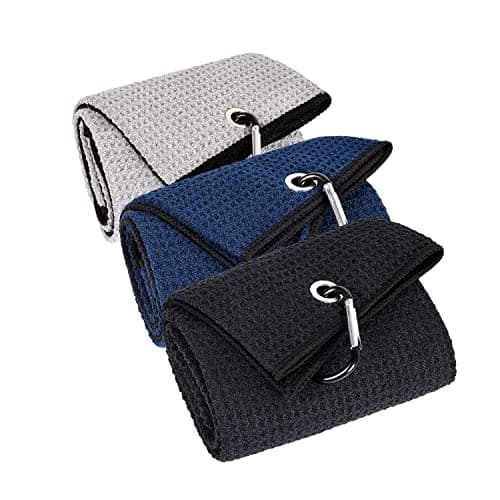
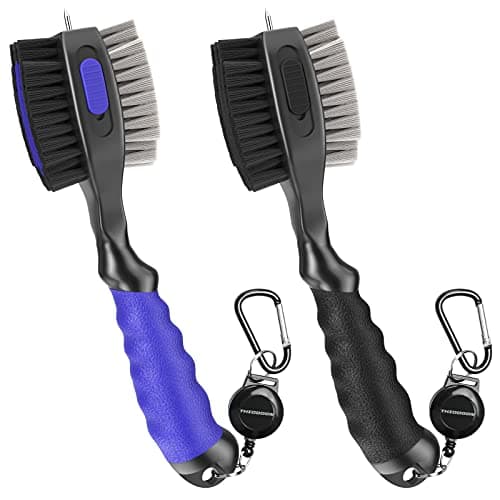
The two items most people do not have are the soft brush and enough microfiber cloths. A golf club brush does this job well - it is already soft-bristled and sized for seams - and microfiber towels are worth having in threes rather than ones, because you need a wet one and a dry one at the same time.
The five steps
1. Empty it completely. Clubs, balls, tees, gloves, rain gear, the scorecard pencils, everything. Two reasons: you cannot reach most of the bag with things in it, and water plus a leather glove or a paper yardage book is its own small disaster. Go through each pocket individually - this is where the sand, the broken tees and the fourteen ball markers live.
2. Turn it upside down and shake. Then vacuum. Most of what is in a golf bag is loose debris rather than stains, and removing it dry is far easier than removing it wet. A hose attachment gets into the club dividers and the pocket corners where sand settles into the seams. Doing this before any water touches the bag is what stops you turning dry grit into mud.
3. Water first, soap second.Dampen the surface before you reach for anything. Water alone loosens most of what is on a bag, which means less scrubbing - and scrubbing is what wears out fabric and protective coatings. Sun Mountain's guidance is that fabric bags can take a gentle spray while leather and premium finishes should only be wiped with a damp cloth, and that water should be used sparingly either way so it does not soak into padding and stitching.
4. Mild soap, soft cloth, gentle circles. A small amount of mild soap in warm water, applied with a cloth, sponge or soft brush, in light circular motions. Spend the effort on the places that actually get dirty: the base, which sits on wet grass all day, the carry straps, and the pocket openings where hands go in and out. Treat visible stains individually first, before you wash the whole bag, so you are not spreading them around.
5. Dry it properly. This is the step that matters. Towel off the excess water, then open every pocket and every zip so air moves through the bag, and leave it in a ventilated place until it is completely dry. Outside is fine; direct sunlight and heat sources are not, because both degrade the fabric and fade the color.
Why the drying step is the whole job
Here is the thing that reframes this entire task: the problem with a dirty golf bag is almost never the dirt. It is the moisture.
A golf bag spends its life standing on wet grass, absorbing sweat from a carry strap and catching rain, and then it goes into a garage or a car trunk - both dark, both poorly ventilated. Damp fabric in a dark enclosed space is the exact recipe for mildew, and mildew in the internal padding of a golf bag is effectively permanent. Sun Mountain lists a bag that still smells after a deep clean as one of its four signs the bag needs replacing rather than cleaning, and the reason is precisely that: once moisture is trapped inside the padding, nothing you do to the outside reaches it.
So a wash that ends with a damp bag zipped shut in a garage has made things worse, not better. If you only change one habit after reading this, let it be opening the pockets and letting the bag dry out after a wet round, which takes ten seconds and prevents the one failure that cannot be undone. The same logic runs through how to store golf clubs - moisture, not cold, is what damages golf equipment in storage.
Nylon, leather, waterproof and white bags
The method above is for the bag most people own. Four variations worth knowing, three of them from the manufacturer's own guidance:
- Nylon or polyester - the standard bag. The easiest to clean and the one the five steps are written for. Mild soap, warm water, soft-bristle brush or microfiber cloth, light pressure. Hard scrubbing causes fraying and wears down the protective coating, so let the soap do the work.
- Leather. Do not use soap and water. Use a cleaner made for leather, applied with a soft cloth, and follow it with a leather conditioner so the material does not dry out and crack. Keep water off it - leather stains and warps when it gets oversaturated.
- Waterproof bags with sealed seams. A damp cloth and mild soap, wiped rather than scrubbed. Abrasive tools and harsh cleaners compromise the waterproof coating, which is the one thing you are paying for on that bag. Pay attention to zips and seams, where buildup is what actually stops them sealing.
- White and light-colored bags. A white bag is the same fabric with nowhere to hide, and the gray marks on it are usually transfer rather than dirt - rubber from grips, sole marks from shoes, dye from a wet towel. It needs the same mild soap and more patience, repeated in light passes rather than attacked once. Resist the temptation to reach for bleach: Sun Mountain is explicit that bleach and strong cleaners strip protective coatings, fade colors and weaken stitching and adhesives over time.
Four things not to do
- Do not dry clean it. Sun Mountain says this directly - the chemicals and the process damage fabrics, coatings and structural components.
- Do not use bleach or a household degreaser. Same reason, published by the manufacturer: coatings stripped, colors faded, stitching and adhesives weakened.
- Do not put it in a washing machine. This one is our reasoning rather than a published instruction, and it rests on what a golf bag physically is: a rigid molded base, metal or composite stand legs, internal stiffeners and stitched padding. A washing-machine drum is not designed for any of that, and the water volume soaks exactly the internal padding you cannot dry out afterwards.
- Do not dry it in direct sun or with a heat source. It feels like the fast option and it is the one that fades the fabric and damages the material.
How often, realistically
Sun Mountain's recommendation is a light clean every four to six weeks for someone playing weekly, and at minimum a deep clean at the start and the end of each season. That is the right shape: the deep clean is an occasional job, and most of the benefit comes from the small habits in between.
The habits that actually keep a bag clean, per the same guide: wipe it down after a round, dry it out whenever it gets wet, use the rain hood in wet weather, empty the pockets of sand and grass regularly, store it somewhere dry rather than humid, and avoid setting it down on mud. None of that takes more than a minute, and together they are worth more than any amount of scrubbing later.
While you have it empty - the gift-buying part
If you are cleaning someone else's bag, or you have theirs open in front of you for any reason, this is the single best opportunity you will get to buy them a golf gift correctly. An emptied golf bag answers almost every question a gift buyer has, and it answers them without a conversation.
- Which hand their glove is. Look at the glove. A right-handed golfer wears it on the left hand, and the glove tells you which they are - which is the fact that decides whether a club, a glove or a set is even usable.
- Their glove size. Printed on the glove or its tag. This is the one sizing figure in golf you can get exactly right from a bag.
- Which ball they play. The model is printed on the side of every ball, and empty boxes live in the bottom of bags for months. Match it and you have the safest gift in golf - the ball guide has the rest.
- Whether they walk or ride. Fold-out legs mean a stand bag and a walker; no legs and a flat base mean a cart bag and a rider. That one fact decides half the gifts on this site, and how to choose a golf bag explains why.
- What is missing. No brush, one tired towel, no divot tool, three tees. The gaps in a bag are a shopping list, and what accessories a golfer needs ranks them.
And if the bag itself turns out to be the problem - torn fabric, split zips, a smell that survives a deep clean, a collapsing structure - then the bag is the gift, and the golf bag guide is where to go. Sun Mountain lists those four failures as the signs to replace rather than clean, and a golfer who has been nursing a broken zip for two seasons will not buy themselves a new one.
What to buy if you want to give the cleaning kit
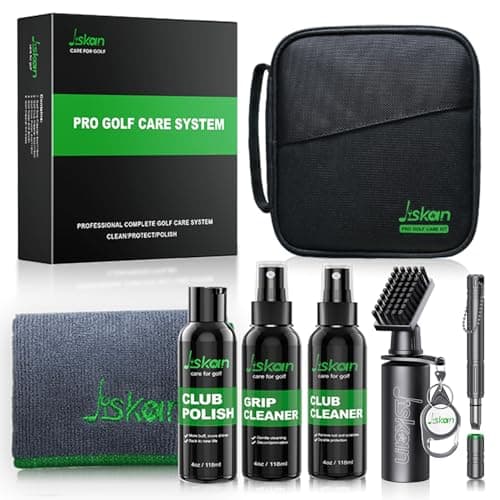
A cleaning kit is a better gift than it sounds, with one caveat: on its own it reads as a chore rather than a present. The fix is either to buy the boxed version, which looks like a gift when it is opened, or to pair a cheap brush and towel multipack with something else - a dozen balls, a glove in their size - so the useful thing is not the whole gift.
The picks below cover both routes. For the club side of the same job, how to clean golf clubs is the companion piece and makes the one distinction that matters there: a dry brush scrapes, a water brush actually cleans. The full ranked category is on the club cleaning page.