The one thing that actually damages clubs
It is moisture, and specifically moisture that is sealed in. A club put away wet in a zipped bag pocket in an unventilated space is the standard route to a rusty iron head, and it is also how a bag starts to smell. Nothing else on this page matters as much as getting the clubs dry before they go away.
That is why the first step of storing clubs is cleaning and drying them, not finding a place to put them. Empty the bag of anything damp - a towel, a glove, a rain jacket - because those are what keep the inside of a bag humid for days.
Ranked: where to put them
- An interior closet, hallway or spare room. Dry, stable temperature, nothing to go wrong. Stand the bag upright rather than laying it on its side, which keeps weight off the shafts and stops the bag deforming.
- A dry garage or basement. Perfectly acceptable, with one condition: it has to be dry. Cold alone does not hurt a golf club. A damp concrete floor does, so put the bag on a shelf, a rack or a piece of wood rather than directly on the slab.
- A car trunk. The default for a lot of golfers and the worst of the common options - see the section below.
- Outside, under cover. Not a storage option, only a temporary one. A shed with no ventilation is a humidity box.
Why the car trunk is worse than it looks
Two separate problems, and most people only think about the first.
Temperature. A closed car in the sun gets far hotter than the air outside and swings back down overnight, repeatedly. Heat is hardest on the rubber or synthetic compound in grips, which dry out and go slick faster than they would indoors, and it is the one condition that makes the epoxy holding heads onto shafts worth thinking about. The damage is gradual rather than dramatic, which is exactly why it goes unnoticed - grips wear out and nobody connects it to where the clubs live.
Theft. This is the bigger practical risk and it rarely comes up in golf advice. A full set of clubs is worth a lot, is easy to resell, and is instantly recognizable through a window or a hatchback glass. A set that lives in a car, visible, over a whole season is a standing invitation.
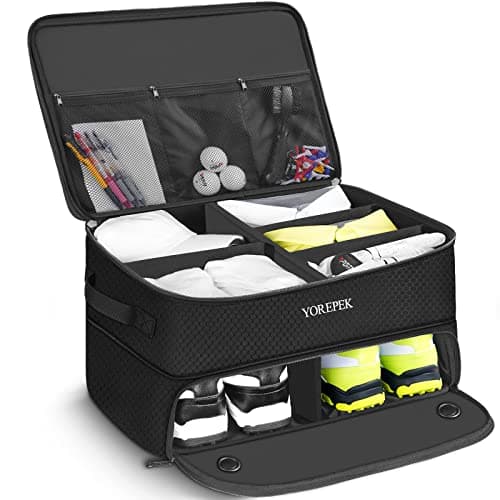
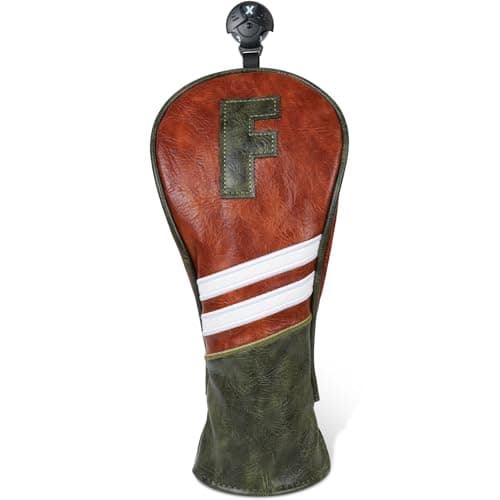
If clubs genuinely have to live in a car - and for plenty of golfers that is simply the reality of playing after work - the mitigations are cheap. A trunk organizer holds the bag and loose gear upright so nothing rolls, keeps shoes and towels separate from clean clubs, and makes the whole load lower and less visible. Headcovers stop the driver and fairway crowns from knocking together on every corner, which is the most common cosmetic damage a set picks up in a car.
Storing clubs in a small apartment
The honest answer is that a golf bag is a large object and no storage trick makes it small. What does work:
- Upright in a closet corner or behind a door. A stand bag occupies roughly the footprint of a floor lamp when it is stood up, and considerably more when it is lying down.
- Clubs out of the bag, bag flat. If the bag itself is the problem rather than the clubs, the clubs can live in a corner banded together and the empty bag folds much flatter than it looks.
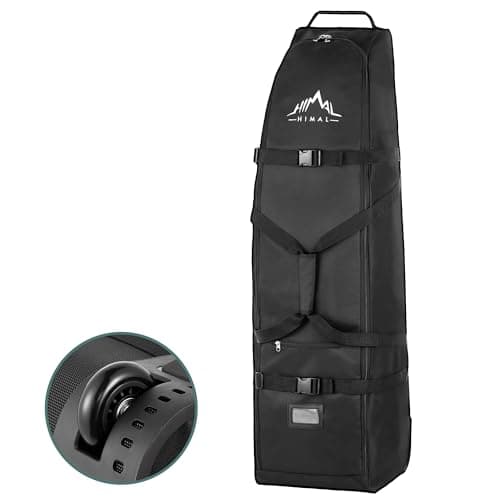
- A hard travel case as furniture. If the golfer already owns one, it is a stackable rectangular box, which is a better shape for a small space than a bag. It is also the only option here that locks.
What does not work is hanging a bag from a hook by its strap for months. Nylon straps stretch and the weight all ends up in one seam.
Over the winter, or anything over a month
Long storage changes very little, which is the reassuring part. Clean the heads and dry them properly, wipe the grips with a damp cloth and let them dry fully, empty the pockets of anything that can go stale, and stand the bag upright somewhere dry.
Two things not to do. Do not wrap the heads in plastic bags or cling film, which traps moisture against the metal - the opposite of what you want. And do not store clubs under something heavy; shafts are strong along their length and are not designed to carry a load across the middle.
If the off-season is long where the recipient lives, the useful gift is something that makes the winter playable rather than something that stores the clubs better - indoor golf gifts covers what actually works in a real house.
If you are buying this as a gift
Storage products are an unusually good gift category for a non-golfer to buy from, because none of them need a size, a hand or a brand preference. A trunk organizer is useful to essentially every golfer who drives to a course. Headcovers are the cheapest way to make a set look cared for and are replaced constantly because they get left on buggies.
A travel case is the big version of the same idea and the one that needs a question answered first: hard or soft, which is a real decision with real consequences and is covered on its own page. Do not buy one speculatively for a golfer who does not travel with clubs - it is a bulky object that then needs storing itself.