The two things that actually destroy golf shoes
Not dirt. Dirt is cosmetic and comes off a golf shoe more easily than off almost any other shoe, because golf shoe uppers are built to be hosed by dew every weekend.
What kills them is water that is never properly dried and heat used to dry it faster. Nikwax, which makes footwear cleaning and waterproofing products and publishes its own care guidance, puts both plainly: wet leather stretches and weakens while it is soaked and becomes brittle as it dries, and footwear should never be exposed to a direct heat source because excessive heat causes irreversible damage to leather and harms the adhesives used in construction.
That second point is the one worth repeating, because the instinct after a wet round is to speed things up. A radiator, a hot car, a boot dryer on high, a hairdryer, the hot cycle of a tumble dryer - every one of those does the same thing. The glue holding the sole unit to the upper is a thermoplastic adhesive. Heat it and the bond softens; do it repeatedly and the sole starts to separate at the toe, which is exactly the failure golfers describe as "the shoes just fell apart." They did not fall apart. They were cooked.
So the whole method below is organized around one principle: get the dirt off without soaking the shoe, then dry it slowly.
What you need
All of it is already in the house, except possibly the brush.
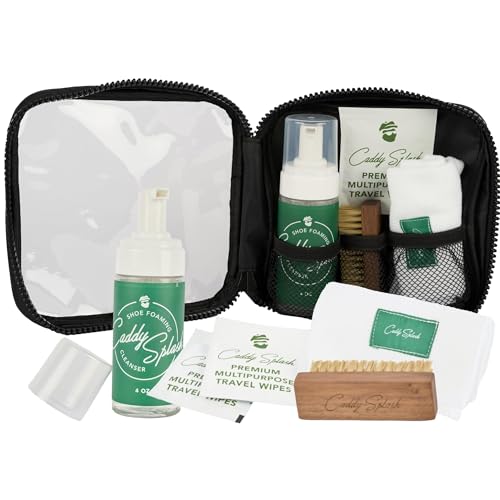
A stiff-ish brush for the soles and spikes, a soft brush or cloth for the uppers, two microfiber cloths, a bowl of warm water, a small amount of mild soap, and a tee or an old toothbrush for the spike recesses. Optional but worth having: shoe trees or newspaper for the drying step, and a re-proofing spray for afterward.
A golf club brush does the sole job well - the stiff side is sized almost exactly for spike recesses - so if there is already a club cleaning kit in the bag, the tool is already bought.
The method, step by step
1. Do the soles first, dry.Hold the shoes over a bin or outside and knock them together sole to sole. Most of what is on a golf shoe is dry soil and grass compacted into the spike area, and it comes off as a solid lump if you have not wet it yet. Then brush the soles, working around each spike and across the tread. Golf News Net's guidance on shoe and spike care is to remove debris from the soles and around the spikes after each round, which is the whole of the maintenance most golfers ever need to do.
2. Clear the spike threads. If the shoes have replaceable soft spikes, pick the dirt out of the recess around each one with a tee or an old toothbrush. This is not cosmetic. Packed soil in the recess is what makes a spike impossible to remove later with the wrench, and a spike that cannot be removed is a shoe that cannot be re-spiked - at which point an otherwise good pair of shoes is finished. Replacement cadence varies with how much they play: Golf News Net suggests once a season for a golfer who plays more than a handful of times a year, and as often as twice a season above about fifteen rounds.
3. Laces out, insoles out.Nikwax's published drying guidance is to remove the laces and inner soles before drying, and it is worth doing before cleaning too. Laces wash separately in a bowl of soapy water and dry in an hour. Insoles are where the damp and almost all of the smell live, and a shoe dried with the insole in is a shoe that is still wet underneath.
4. Wipe the uppers - damp, not wet. Dip a cloth in warm water with a little mild soap, wring it out properly, and wipe the upper. Work along the welt, the seam where the upper meets the sole, because that is where soil collects and sits against the stitching and the adhesive. Rinse the cloth and wipe again with water alone to take the soap off. The rule is to carry water on the cloth rather than to put water into the shoe.
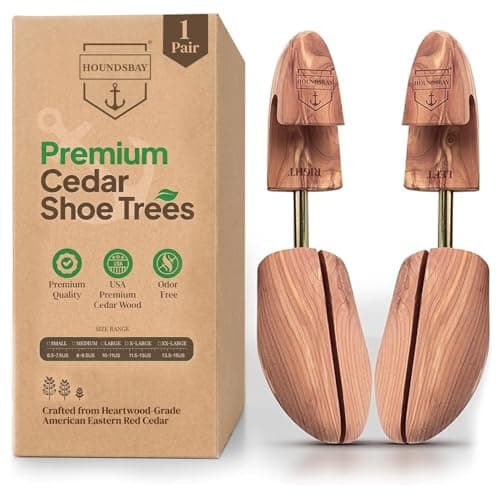
5. Towel, then dry slowly.Blot the outside with the dry cloth, stuff the shoes so they hold their shape, and leave them somewhere with moving air at room temperature. Nikwax's guidance for footwear that is soaked through is to pack it with newspaper, replace the wet newspaper, and repeat until dry - and that for best results footwear should dry for 24 hours before use. Cedar shoe trees do the same job without the newspaper swap and in the shape of a foot rather than a crumpled ball of paper.
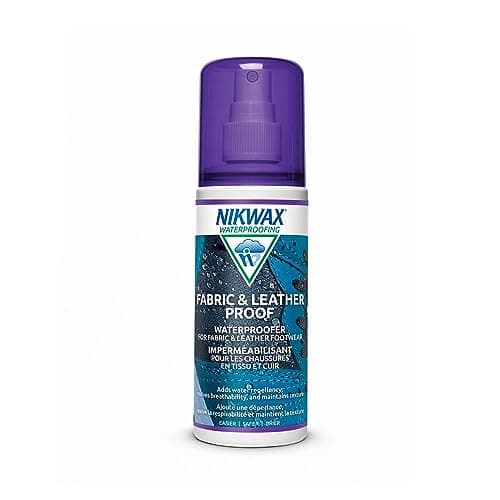
6. Re-proof, if they are waterproof shoes. The step nearly everybody skips. More below, because it is the one that changes how the shoes perform rather than how they look.
Not the washing machine
This comes up constantly - it is one of the most-searched versions of this question - so here is our reasoning, labeled as reasoning rather than as a manufacturer instruction.
A golf shoe is a rigid sole unit, often with a molded or cleated outsole and sometimes a waterproof membrane, bonded to a soft upper with adhesive. A washing machine applies sustained water volume, detergent and mechanical tumbling to all of that at once. Three specific problems follow: the water soaks through to padding and linings that then cannot be dried quickly; conventional detergents leave residues, which Nikwax specifically warns reduce the effectiveness of a water-repellent treatment afterward; and the drum impacts put repeated shock loads on the adhesive bond between sole and upper.
Plenty of people have put golf shoes through a machine and had them survive. That is not the same as it being a good idea, and it is a particularly bad idea for any shoe with a waterproof warranty - the published warranty terms for golf footwear generally require that the shoes have been adequately maintained, and a machine wash is the easiest way to put yourself on the wrong side of that conversation.
The five minutes with a brush and a damp cloth does a better job anyway. The machine is quicker only in the sense that putting the whole job off is quicker.
Why your waterproof shoes stopped being waterproof
A complaint every golfer eventually has, and it is usually not a defect.
Waterproof footwear relies on two separate things: a membrane or treated leather that water cannot pass through, and a water-repellent finish on the outsideof the upper that makes water bead and run off. Nikwax's published care guidance is that the factory-applied finish begins to wear off with outdoor use and should be reapplied as necessary or after use in severe conditions.
When that outer finish goes, the fabric wets out - it absorbs water and goes dark instead of beading. The membrane underneath may still be perfectly intact, but the shoe now feels wet, weighs more, and breathes much worse, because a saturated outer layer cannot pass moisture vapor out. That is the sensation golfers read as "the waterproofing failed."
The fix is a spray-on re-proofer, applied to a clean shoe - Nikwax is explicit that cleaning comes first, because a treatment applied over soil and detergent residue does not bond properly. It costs a fraction of a new pair of shoes and takes about two minutes. Two cautions worth knowing: treatments of this kind can darken light-colored fabric and leather, so test a hidden area on a pale pair first, and suede and nubuck need a product made specifically for them rather than a general fabric-and-leather proofer.
Smell, specifically
A separate problem from dirt, with a separate cause. Golf shoes smell because they spend four hours containing a foot and then sit in a dark trunk without drying, and the thing that actually fixes it is airflow rather than any product.
The order of operations: insoles out after every wet round, shoes stored somewhere with moving air rather than sealed in a bag, and a cedar shoe tree or a deodorizer insert between rounds. Cedar works for the dull reason that it absorbs moisture while holding the shoe open.
If the smell survives a proper clean and a full dry, the problem is the insole or the padding rather than the surface, and a new pair of insoles is the cheap repair worth trying before replacing the shoes. The same logic applies to a golf bag whose smell comes back: once it is in the padding, cleaning the outside will not reach it.
White golf shoes, leather, and knit uppers
Three materials, three small differences.
White or light synthetic uppers are the easiest of the three to clean and the hardest to keep looking clean, because grass stain shows. Mild soap on a cloth and a soft brush for the textured panels is the whole method; the thing to avoid is bleach, which attacks stitching and coatings and yellows some synthetics.
Leatherwants the least water of the three and benefits most from the slow dry, for the reason in Nikwax's guidance - wet leather weakens as it soaks and goes brittle as it dries. Wipe, do not soak, and never near heat.
Knit and mesh uppers, which are increasingly common on spikeless golf shoes, hold soil in the weave and need a soft brush rather than a cloth to lift it out. They also wet out fastest, which makes re-proofing more worthwhile on these than on anything else. If the shoes in question are the spikeless kind worn off the course as well, spiked vs spikeless explains what the sole is doing differently.
The maintenance that matters more than cleaning
Two habits, both free, both worth more than any amount of scrubbing.
Take them out of the trunk. A pair of wet shoes sealed in a hot car does not dry, and that single habit is responsible for most of the smell and a good share of the sole-separation complaints in golf. If they are going to live in the car anyway - and for plenty of golfers they are - a trunk organizer with a ventilated shoe compartment is the compromise: air gets to them, and they are not touching the gloves and the towel.
Alternate pairs if they own two. A shoe needs roughly a day to dry properly between rounds, so a golfer playing twice a weekend in a single pair is playing the second round in a damp shoe. This is also the honest argument for a second pair as a gift, though it comes with the usual warning about buying golf shoes for someone else: you need the size and the width, which is why our shoes guide spends most of its length trying to talk gift buyers out of guessing.
Buying the routine rather than improvising it
Everything above assumes a brush, a cloth, a cleaner and somewhere to dry a shoe packed out. Almost nobody has all four in one place, which is the real reason this job does not happen - not unwillingness, logistics. A kit that lives in one pouch in the car is the difference between a job done after the round and a job done never, and the re-proofing step is the one that answers the complaint about waterproof shoes letting water in. Our golf shoe care page ranks the four steps by which one a golfer is most likely to be missing, and names the two products on it that can be the wrong size.