Why golf rain gear is a strange category to shop for
Search the phrase and nearly everything returned is a jacket, a pullover or a pair of trousers. Those are the products the industry sells most of, and they are also the three worst things on that list for a gift buyer, because every one of them needs a chest size, a sleeve length and a taste call about color. A golf glove needs a hand size. An umbrella needs nothing at all.
So this page is deliberately not a list of the warmest or most waterproof garments. It is a list of the wet-weather items one person can buy for another and be right about, in the order that they change a rainy round.
The order that actually matters, and why hands come first
Golf in the rain fails in a specific sequence, and it is not the sequence most people expect. A damp shirt is uncomfortable. A damp grip is dangerous, in the plain sense that the club leaves the hands. Once a golfer stops trusting the grip the swing shortens, the score goes, and the round gets abandoned at the twelfth whatever the jacket is doing.
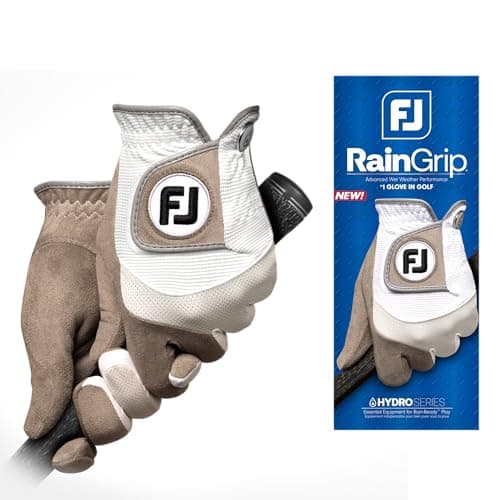
That is why a pair of rain gloves is the top pick rather than the umbrella. A standard leather glove is close to the worst thing to wear in rain — our own glove page says so, because leather goes slick when soaked and stiffens as it dries. A wet-weather knit is a different material doing the opposite job, and FootJoy sells it as a matched pair precisely because a golfer in rain wants one on each hand rather than one on the top hand.
Second comes keeping water off the grips in the first place, which is the umbrella and the towel working as a single item. Third is the shoes, and the honest answer there is not a new pair.
Umbrellas: the spec that matters is wind, not rain
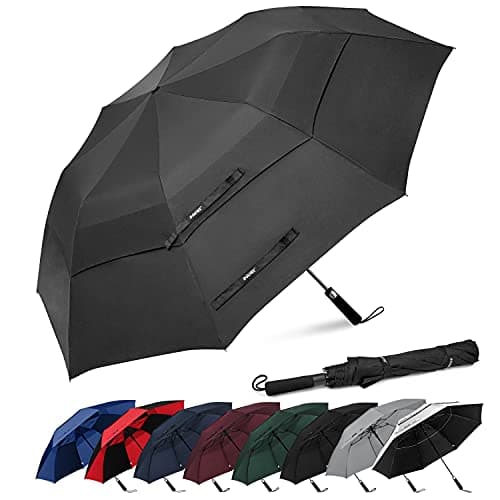
Every golf umbrella keeps rain off. What separates a good one from a dead one is the first gust on an exposed fairway, and the feature that decides it is the vented double canopy — a deliberate gap between two layers that lets air pass through instead of inverting the frame. Both umbrellas on this page have one.
The Callaway Shield is the pick for an exposed, windy course. Callaway publishes a 64-inch double canopy on a cable-reinforced frame it rates for winds up to 75 mph, plus a UPF 30+ canopy that earns it a place in the bag on a hot dry day as well. Read the 75 mph figure as Callaway's own claim — the listing does not say how it was tested — and note that it is manual open and close, so the club goes down first.
The G4Free is the budget pick and the more practical one for most golfers: 62 inches, vented double canopy, automatic open. If you are buying one thing on this page and the recipient does not own a proper golf umbrella, buy this. There is also a persistent piece of folklore about giving umbrellas as gifts; we mention it only because it comes up, and it costs nothing to choose something else if it bothers either of you. Our umbrella roundup goes deeper on canopy size.
The towel is not an afterthought
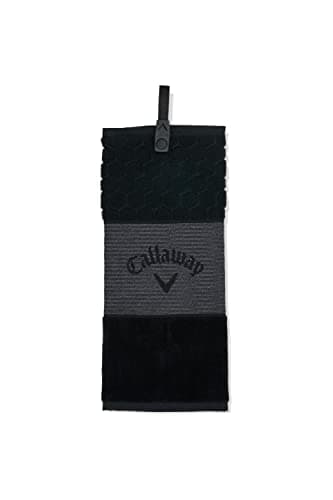
A golfer in the rain dries a grip before every shot. That puts the towel in use eighteen or more times a round, which is more than anything else here, and it also means one towel is not enough — the one that has been drying wet grips for an hour cannot dry anything. Two is the real answer, which is the argument our towel-count guide makes at length.
The Callaway trifold is here because it is the same object the recipient already owns with a name on it their playing partners will recognize, and that is most of the difference between an accessory and a present.
Shoes: re-proof them, do not replace them
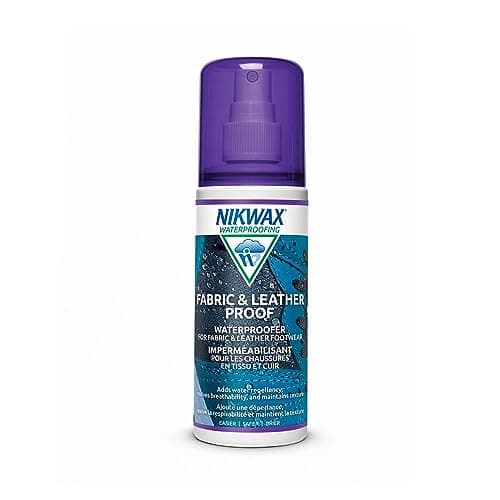
The most common wet-weather complaint in golf is that a pair of waterproof shoes stopped being waterproof. The reason is mechanical rather than mysterious. Nikwax's published footwear guidance states that the factory water-repellent finish wears off with use and should be reapplied as necessary, or after use in severe conditions. A spray-on re-proofer is the cheapest item on this page and it fixes the actual fault, where a new pair of shoes costs a hundred times more and needs a size and a width you probably cannot verify.
One caution, which is also Nikwax's own: suede and nubuck need a different product, and treatments like this can darken light-colored fabric and leather, so a pale pair wants a test on a hidden area first. The rest of the routine — clean, pack out, dry slowly — is on our golf shoe care page.
What we are deliberately not recommending
Rain jackets, rain pants and rain suits. Sized apparel. A golfer who plays through weather has already chosen theirs, and a golfer who does not play through weather will never open it.
A second pair of shoes. The same problem as a jacket, with more money attached. Re-proof the pair they already like instead.
A bag rain hood. Nearly every stand bag ships with one and almost no golfer knows it is in the zipped pocket under the top cuff. Tell them rather than buying one.
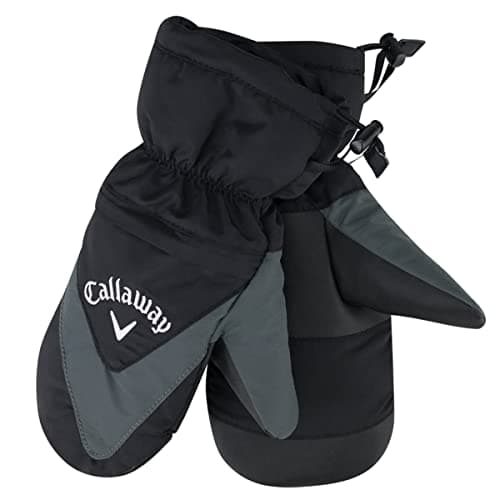
The one cold-weather crossover worth naming is the Callaway Winter Mitts, included because a wet round and a cold round are usually the same round, and a waterproof thermal mitten does a job a fleece pouch cannot. It is also the single pick here that can be the wrong size, so buy it only if you know their hands. If you do not, a waist pouch fits everybody.