What a high handicap is, for anyone buying a gift
A handicap is a number describing how many shots over the course's standard a golfer typically takes. Lower is better: a scratch golfer plays to the standard, and a high handicapper is somewhere above the high teens, which in plain terms means a golfer who shoots in the high nineties or above and plays for enjoyment rather than competition.
That is most golfers. It is not an insult and nobody should be embarrassed by it. What matters for this page is that it implies two concrete, practical things about how they play — and both of them point in the opposite direction to the way golf balls are marketed.
They lose balls. Several a round is normal. Any ball choice that ignores that is a choice about a golfer who does not exist.
They do not find the middle of the clubface reliably. Thin strikes, heel strikes, the occasional one off the top edge. That matters because almost every premium ball feature is designed to convert a clean strike into something useful.
Why the premium ball is the wrong ball here
This is the part of the page that saves money, so it is worth being precise.
A premium ball — the kind that costs around fifty dollars a dozen — has a soft urethane cover and three or more internal layers. Urethane grips the grooves of a wedge at impact, and that grip is spin, which is what makes a ball stop on a green instead of running through it. To generate that effect you need clubhead speed and clean contact.
A high handicapper supplies neither consistently. So the premium ball delivers a fraction of what it is sold for, and in exchange it costs roughly double and scuffs faster, because a soft cover is a soft cover. Add the lost-ball arithmetic — three balls a round at four dollars each versus three at two — and the premium dozen is costing real money for a benefit that is not arriving. The long version of this argument is here.
The flip side, stated honestly: if the recipient plays several times a week, practices, and already buys premium balls, none of the above applies and the main ball page is where to shop. Handicap is not the only variable; what they already choose matters more.
What actually helps, in order
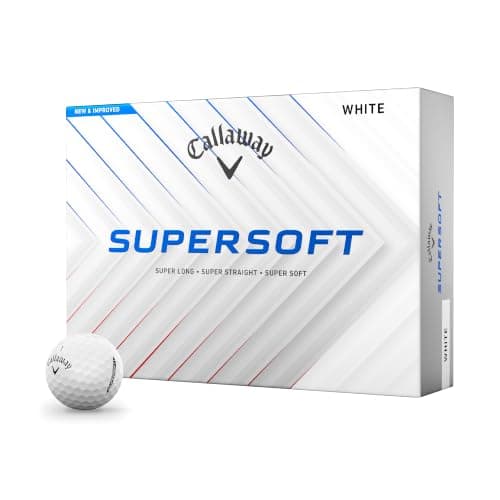
1. Low compression. Compression is how much the ball deforms when struck. A low-compression ball is built to be squashed by a moderate or slow swing, which is what most high handicappers have, and it feels softer rather than like hitting a stone. Every pick on this page is a low- or moderate-compression ball and the spec is explained in full here.
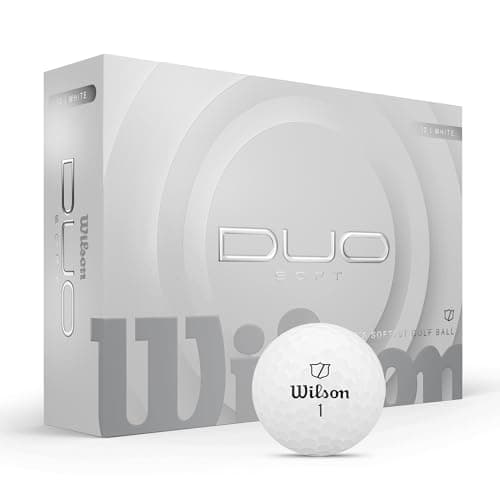
2. Two-piece durability. A solid core with a tough cover survives a thin strike, a cart path and a tree without a visible scar. A premium cover does not. For a golfer who finds the edges of the face, this is the single most valuable property a ball can have, and the construction comparison covers why.
3. Cost per dozen, treated seriously. Not because the golfer is poor, but because they are going to lose some. The right mental model is cost per round rather than cost per box.
4. A recognizable name. This one is about the gift rather than the golf. Every pick here is a brand a golfer will recognize, because an unbranded ball is identified instantly and reads as a gift chosen on price.
5. Visibility, if they talk about losing balls. Yellow and matte finishes are available across most of these models, cost nothing extra, and genuinely help a golfer follow a ball into rough. It is the cheapest real improvement on this list.
What does not help, despite the marketing
Spin. Covered above. Greenside spin needs speed and clean contact; a high handicapper is better served by a ball that runs up onto the green than one designed to stop on it.
"Straighter flight" claims. Some balls are built to reduce sidespin, which in principle means a slice curves less. In practice the effect is small next to the swing that caused the slice, and no ball fixes a slice. Lessons do.
Layer counts. A five-piece ball is not two and a half times better than a two-piece one. More layers means more tuning across swing speeds the recipient does not have.
Tour-played-by claims. A ball a professional uses is evidence about that professional.
The honest alternative to a dozen balls
If the recipient is a high handicapper and you have the budget for a premium dozen, a better gift exists: a cheaper recognized dozen plus something else they will use. A glove is a consumable they will not have bought for themselves. A towel or a divot tool costs little and lives in the bag for years.
And if the handicap is high because they are genuinely new to the game, the ball is not the gift at all — a complete set, a practice net or lessons change their golf in a way no dozen can. The site has a page for exactly that golfer.