What the Orange Whip is known for
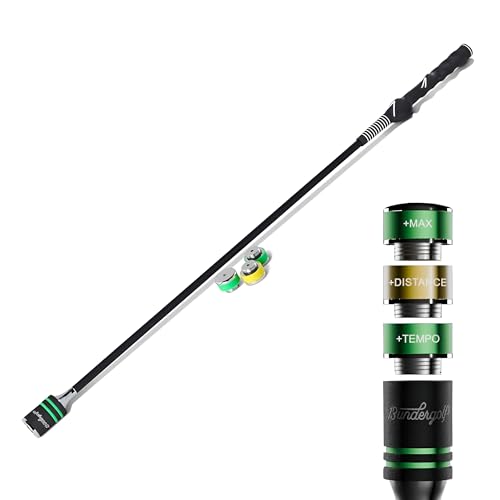
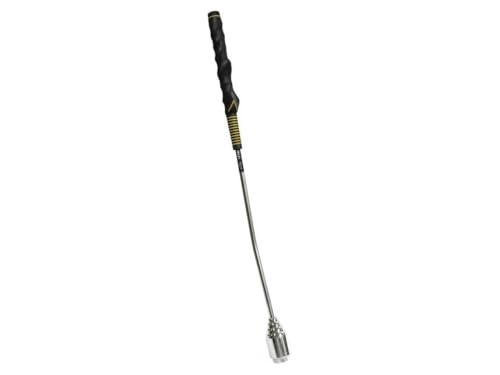
Start with the thing itself, because an alternative only makes sense measured against it. The listing describes a patented counterbalanced golf swing aid on a flexible shaft, 47 inches long, made in the USA. Those are the terms that define it, and each one is doing something.
Flexible shaft. The shaft bends far more than a real club. On the way back the weighted head lags behind the hands; on the way down it has to catch up. A golfer who snatches at the swing feels the head arrive at the wrong moment, and a golfer who swings smoothly feels it arrive on time. That feedback is the product.
Counterbalanced. There is weight at the grip end as well as the head end. That is what lets the whole thing be swung at something like a real tempo without the head running away, and it is the part the cheap imitations most often skip.
47 inches. Roughly driver length, so the swing arc feels like a real one. It is also the reason it does not fit in a golf bag, which turns out to be the most common complaint about it.
It is a good product and this site says so: the Orange Whip is a ranked pick on our training aids page, where it is described as the training aid you will actually see professionals using on television. Nothing below is a criticism of it. The question this page answers is narrower and more useful — when is it the wrong gift?
The four honest reasons to buy something else
1. The price is most of the gift. The Orange Whip sits in the three-figure bracket, which is a lot of money for a stick with a ball on the end if you are not certain the recipient will use it. The mechanism it uses — a bendy shaft with weight on it — is not exclusive to it, and the top pick below does the same thing from an established training-aid brand for well under half the price. If this is a secondary gift rather than the main one, that is the swap to make.
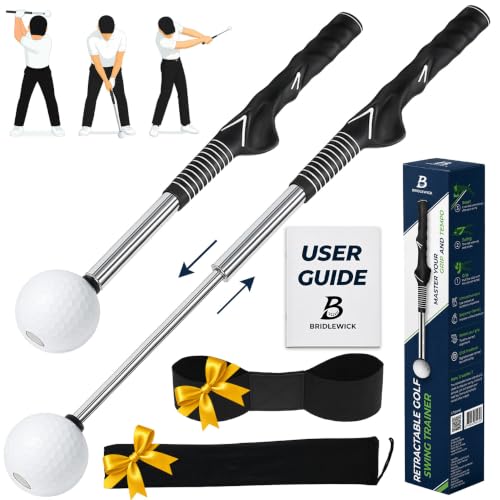
2. It does not fit in a golf bag. At 47 inches it is driver-length, and a warm-up tool that lives in the garage does not get used on the first tee, which is the moment it is actually for. A 40-inch trainer slides into the club end of a bag, and a retractable one goes in a suitcase. For a golfer who travels to play, this is the real objection.
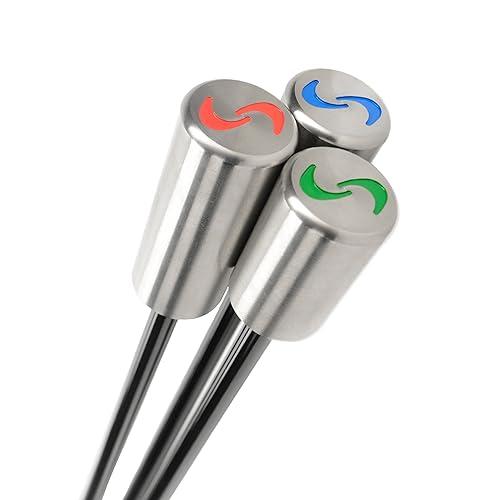
3. What they complain about is distance, not rhythm. This is the most important distinction on the page and the category deliberately blurs it. A counterbalanced flexible trainer teaches a smoother sequence. It is not a speed tool. If the recipient grumbles that everyone they play with hits it further than they do, overspeed training is the thing aimed at that complaint: a set of lighter-than-normal sticks swung flat out so the body learns to move faster, with a heavier one to load it. That is a different product, it comes with a program, and the third pick below is it.
4. They need the grip fixed more than the tempo. A golfer whose hands are in the wrong place on the club has a problem no amount of smooth swinging solves. Two of the trainers below have a molded grip built in, which puts the hands in one position every repetition. That is a different and often more valuable thing to give a beginner.
Tempo, speed, strength and grip are four different purchases
Almost every listing in this category claims all four, which is how buyers end up with the wrong tool. It is worth separating them once.
Tempo is the rhythm of the swing — the ratio of the backswing to the downswing, and whether the hands and the clubhead arrive together. It is trained with a flexible shaft, because flex is what makes the timing audible and feelable. Buy a bendy trainer.
Speed is how fast the clubhead is traveling at impact, which is where distance comes from. It is trained by swinging something lighter than a club as fast as possible, repeatedly, on a schedule. Buy a speed system, not a weighted stick — a heavy stick swung hard makes the swing slower, not faster.
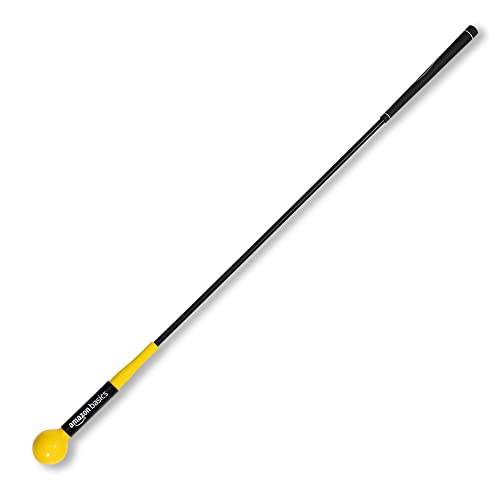
Strength and flexibility are trained by swinging something heavier than a club slowly, which is what a warm-up stick is for. It loosens the body before a round and builds the muscles used in the swing. This is the most honest and the least glamorous claim in the category, and a plain weighted stick does it perfectly well.
Grip is where the hands sit. It is trained by a molded rubber grip that only accepts one hand position. It is also the one feature on this page that handedness can make unusable, because a grip mold shaped for a right-handed golfer is no use to a left-handed one.
Check handedness and swing space before you order
Handedness. The SKLZ trainer and the retractable stick are both listed in a right-handed version. If the recipient plays left-handed, those two are out — look at the weighted sticks and the speed system instead, which are symmetrical tools. The quickest tell is which hand their glove goes on; our glove-hand guide explains why it is the opposite hand from the one people expect.
Swing space. Every tool on this page needs a clear radius of roughly nine feet and a ceiling to match. That is a garden, a garage bay or a range bay, not a living room, and it is the practical reason a lot of these gifts never get used. A golfer with no outdoor space is better served by something that works indoors — an indoor putting green or a hitting mat and net — than by a swing trainer they cannot swing.
What none of these can do
A training aid changes a swing only if the golfer uses it, and most of this category is bought in January and abandoned by March. That is worth saying on a gift page, because it affects which of these is the right present rather than the best product.
The tools that survive are the ones with the lowest friction: short enough to live in the bag, used for two minutes on the first tee, no app and no schedule. The ones that get abandoned are the ones that require a program three times a week. That is not a knock on the speed system below — it is the best thing here for the golfer who will follow it — but it is the question to ask about the recipient before you spend the money.
If the honest answer is that they would not use any of it, the better gift is somebody else watching their swing. Our page on golf lessons as a gift covers that option, including the awkward part about how to give one without it reading as criticism.
How we ranked these
By how closely each one answers the reason you came looking, not by price and not by claim count. The top pick is the one that does the Orange Whip's actual job — tempo, through flex — for the least money from a brand with a track record. Second is the nearest like-for-like swap. Third is the honest fork for a different goal. Fourth is the plain, returnable version of the warm-up stick. Fifth is the one that fits in a suitcase.
Every score here is a judgment reasoned from the published listing, never a measurement — how we pick says so in those words. Where a listing names an endorsement or a protocol we attribute it to the listing rather than asserting it ourselves, and nothing on this page claims we have swung these trainers.