PIN & PUTT

04 / Gear / Best Indoor Putting Greens

Best indoor putting greens

The home-practice gift that works in a normal house. Two numbers decide which one to buy, and neither of them is the price.

#ad — we earn a commission if you buy through this link, at no extra cost to you, and it does not change our picks. Full disclosure.

Our top pick · Best indoor putting green overall

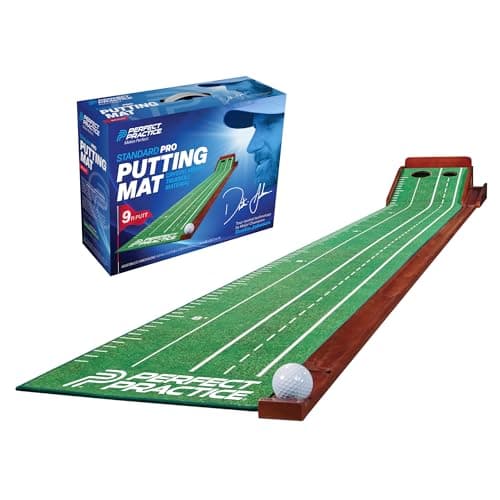
Perfect Practice Standard 9'6" Putting Mat

Two hole sizes and a ball return - the combination that makes home putting practice measurable.

Why we picked it, and who it's wrong for

Check price$129.99

#ad · Live price, checked October 22, 2026. Amazon's is the one that counts.

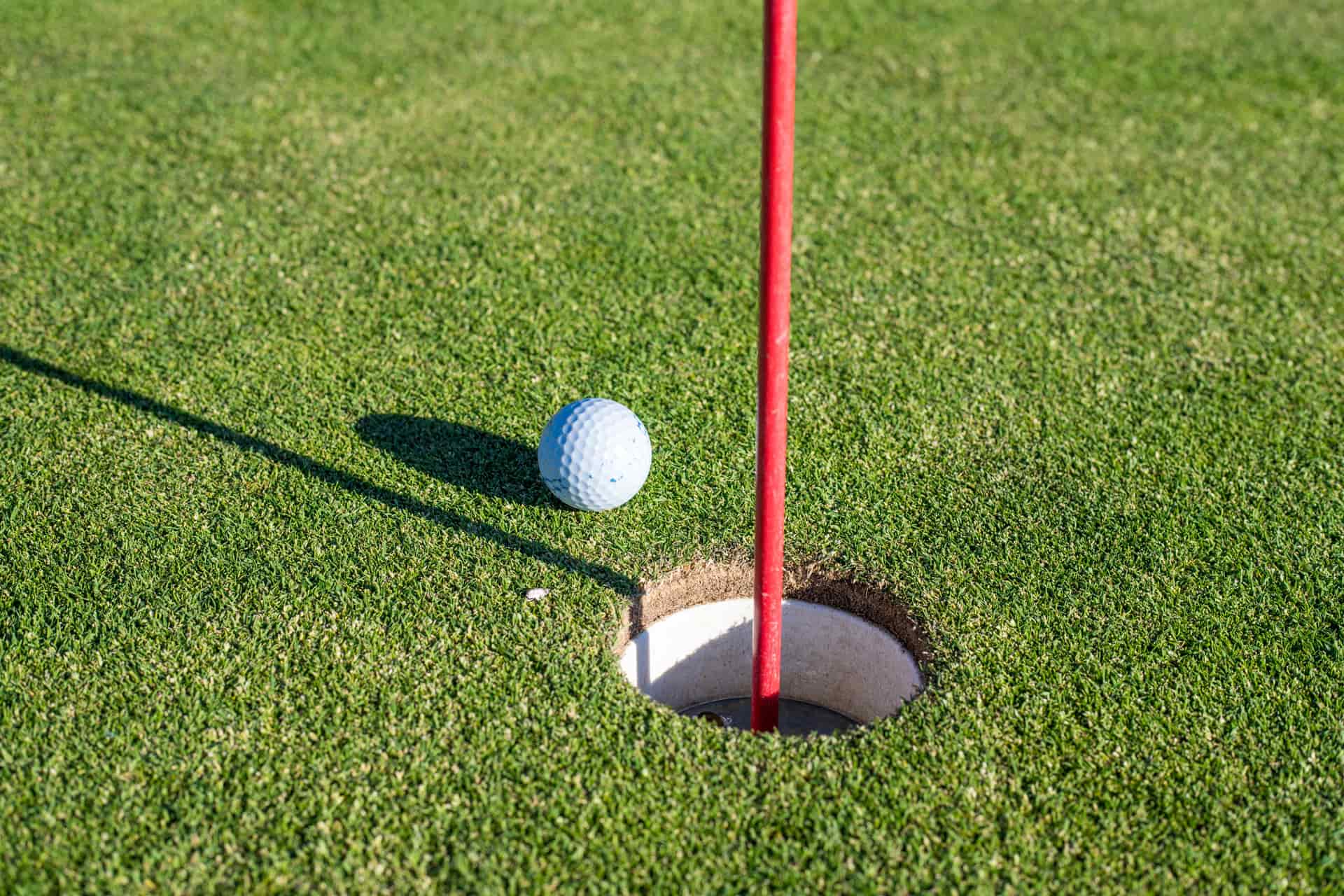
A putting green with the hole and flagstick in low light

By Stephen V.

How we pick

The short answer

The short answer

Buy the Perfect Practice Standard 9'6" mat if the room can take it - the second, narrower hole is what makes practice measurable, and the ball return is what stops them giving up and walking. Measure the floor first: a nine-and-a-half-foot mat wants about thirteen feet of room once they are standing behind the ball. Smaller space or budget? An 8 foot mat is the living-room length. No clear run of floor at all? A pressure putt trainer needs about six feet and no hole.

Prices checked October 22, 2026

The short answer

Quick picks

#ProductBest forScorePrice
01
Perfect Practice Perfect Practice Standard 9'6" Putting Mat
Perfect Practice Standard 9'6" Putting Mat

Two hole sizes and a ball return - the combination that makes home putting practice measurable.

Best indoor putting green overall8.3/10$129.99Amazon
02
Palladium Palladium 10 ft Putting Mat with Wood Base
Palladium 10 ft Putting Mat with Wood Base

Ten feet, two holes and a ball return for well under a hundred dollars.

Best value long mat7.8/10$69.95Amazon
03
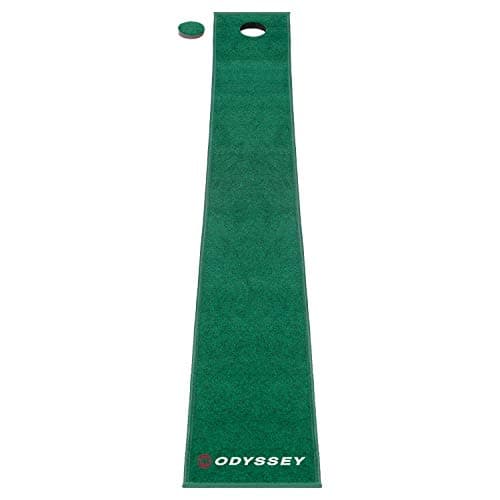
Callaway Callaway Odyssey 8 ft Putting Mat
Callaway Odyssey 8 ft Putting Mat

The one with a name on it that a golfer will recognize from across a room.

Best recognized brand7.0/10$49.99Amazon
04
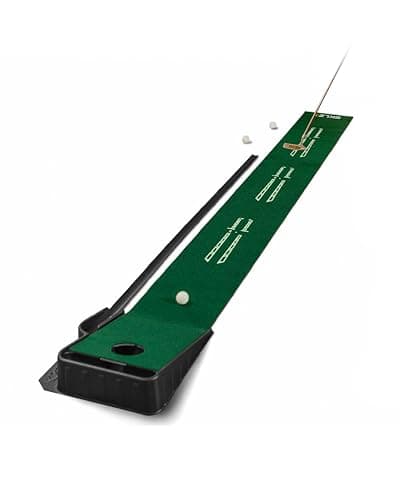
SKLZ SKLZ Accelerator Pro Putting Mat
SKLZ Accelerator Pro Putting Mat

A putting mat that sends the ball back to you, so practice doesn't mean walking.

Home practice8.3/10$54.99Amazon
05
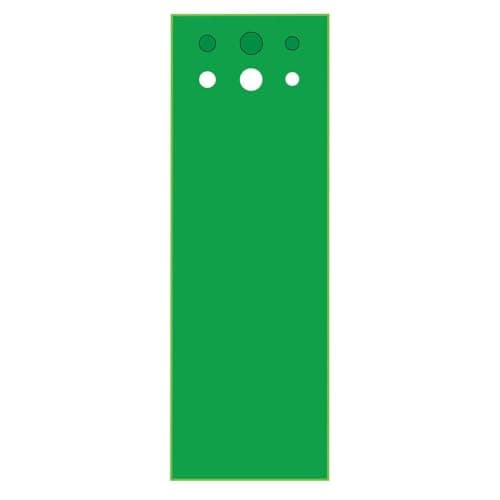
Big Moss Big Moss Competitor V2 Practice Green (3 x 9 ft, 3 cups)
Big Moss Competitor V2 Practice Green (3 x 9 ft, 3 cups)

A practice green rather than a putting mat - and the only one here you can chip onto.

Best for putting and chipping7.3/10$199.00Amazon
06
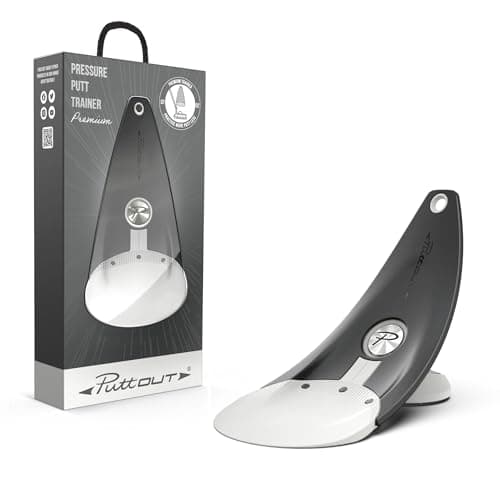
PuttOut PuttOut Pressure Putt Trainer
PuttOut Pressure Putt Trainer

A practice tool small enough to live in a living room, which is why it gets used.

Practicing indoors8.5/10$29.99Amazon

#ad · Live prices from the Amazon product API, checked October 22, 2026. Where we have no verified live price we show none — we would rather leave a gap than print a number that has rotted.

The picks

Every pick, and who it's wrong for

Perfect Practice Perfect Practice Standard 9'6" Putting Mat

01Best indoor putting green overall

Perfect Practice Standard 9'6" Putting Mat

Two hole sizes and a ball return - the combination that makes home putting practice measurable.

What it is
A 9 foot 6 inch roll-out putting mat. The listing states a two-hole crystal velvet surface, an automatic ball return and true-roll alignment markings.
Why a golfer wants it
The second hole is the whole idea: it is narrower than a regulation cup, so a putt that would have dropped on a course misses here. Practice against a smaller target and the real one looks enormous. The return ramp solves the other half of the problem, which is that nobody keeps practicing if every putt means a walk.
  • Listing states: 9'6" length
  • Listing states: 2 hole sizes, auto ball return
  • Listing states: true-roll alignment

Skip this if

The only free floor is in a room shorter than about thirteen feet. Nine and a half feet of mat plus a golfer standing behind the ball is the real requirement, and a mat that will not lie flat is a mat that gets rolled up.

Check price$129.99

Price checked October 22, 2026. Amazon's is the one that counts.

#ad · we may earn a commission from this link to Perfect Practice Standard 9'6" Putting Mat

Palladium Palladium 10 ft Putting Mat with Wood Base

02Best value long mat

Palladium 10 ft Putting Mat with Wood Base

Ten feet, two holes and a ball return for well under a hundred dollars.

What it is
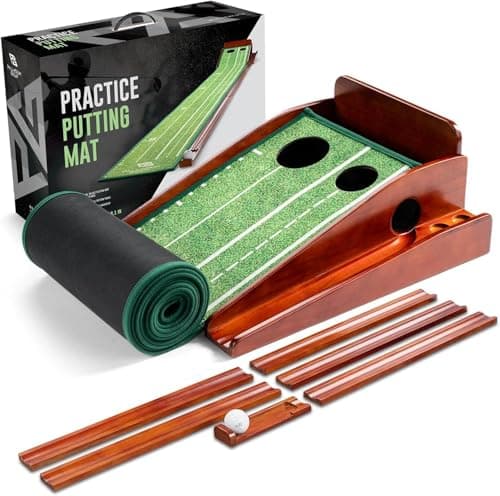
A 10 foot putting mat whose listing states a solid wood base, a realistic turf surface, two holes, alignment marks, and ball return and collection.
Why a golfer wants it
Length is what makes a putting mat worth owning. A six-foot mat only ever teaches tap-ins, and the putts that actually cost a golfer shots are the ones from fifteen feet. This is the longest mat here that stays under three figures, and the wood base is the part that stops the far end curling up off the floor.
  • Listing states: 10 ft, indoor and outdoor
  • Listing states: solid wood base, 2 holes
  • Listing states: ball return and collection

Skip this if

It needs to be portable. A rigid wood base does not roll into a tube, so this lives in one room rather than travelling between a house and an office.

Check price$69.95

$119.9942% off

Price checked October 22, 2026. Amazon's is the one that counts.

#ad · we may earn a commission from this link to Palladium 10 ft Putting Mat with Wood Base

Callaway Callaway Odyssey 8 ft Putting Mat

03Best recognized brand

Callaway Odyssey 8 ft Putting Mat

The one with a name on it that a golfer will recognize from across a room.

What it is
An 8 foot roll-out putting mat under Callaway's Odyssey putter brand. The listing is deliberately sparse - it states the brand and the 8 foot length and little else.
Why a golfer wants it
Brand matters more in gifts than it does in performance. Odyssey is the putter name a golfer sees every time they look down at their own hands, and an unbranded mat at the same price does not carry that. Eight feet is also the most practical length for a living room: long enough to be a real putt, short enough to fit beside a sofa.
  • Listing states: 8 ft length
  • Odyssey (Callaway) branded
  • No ball return stated on the listing

Skip this if

You want the features. This listing claims no second hole, no printed alignment system and no ball return, so it is a good surface and nothing more - the two mats above it do more for similar money.

Check price$49.99

Price checked October 22, 2026. Amazon's is the one that counts.

#ad · we may earn a commission from this link to Callaway Odyssey 8 ft Putting Mat

SKLZ SKLZ Accelerator Pro Putting Mat

04Home practice

SKLZ Accelerator Pro Putting Mat

A putting mat that sends the ball back to you, so practice doesn't mean walking.

What it is
A roll-out putting surface with a ball-return ramp at the far end and an alignment guide printed on it.
Why a golfer wants it
The reason people stop practicing putting at home is fetching the ball. A return ramp removes that, and the difference in how often it gets used is the entire value.
  • Ball return
  • Alignment guide
  • Roll-up surface

Skip this if

They have deep carpet. Putting mats need a flat, firm floor to roll true — on thick pile the ball wobbles and the practice is worse than none.

Check price$54.99

Price checked October 22, 2026. Amazon's is the one that counts.

#ad · we may earn a commission from this link to SKLZ Accelerator Pro Putting Mat

Big Moss Big Moss Competitor V2 Practice Green (3 x 9 ft, 3 cups)

05Best for putting and chipping

Big Moss Competitor V2 Practice Green (3 x 9 ft, 3 cups)

A practice green rather than a putting mat - and the only one here you can chip onto.

What it is
A 3 by 9 foot practice green with three cups, per the listing, described for putting and chipping rather than for putting alone.
Why a golfer wants it
Three feet wide is the difference between a strip and a green. It lets a golfer putt across the surface from several angles instead of repeating one straight nine-footer, and the listing states it takes chip shots, which no roll-out mat here does. This is the pick for a golfer who already owns a cheap mat and got bored of it.
  • Listing states: 3' x 9'
  • Listing states: 3 cups
  • Listing states: putting and chipping

Skip this if

It has to be put away between uses, or the budget is modest. This is the most expensive pick on the page, and it is a piece of equipment with a footprint rather than an accessory.

Check price$199.00

Price checked October 22, 2026. Amazon's is the one that counts.

#ad · we may earn a commission from this link to Big Moss Competitor V2 Practice Green (3 x 9 ft, 3 cups)

PuttOut PuttOut Pressure Putt Trainer

06Practicing indoors

PuttOut Pressure Putt Trainer

A practice tool small enough to live in a living room, which is why it gets used.

What it is
A curved plastic ramp that returns a well-struck putt back to you and rejects a bad one, so it gives feedback without needing a hole.
Why a golfer wants it
Putting is roughly 40% of the shots in a round and the easiest thing to practice at home. Most training aids are too big to leave out; this one isn't, and that's the difference between used and unused.
  • Returns made putts
  • Portable
  • No hole required

Skip this if

They have no carpet or hard floor with a straight run. It needs a couple of meters of flat surface, which not every home has.

Check price$29.99

Price checked October 22, 2026. Amazon's is the one that counts.

#ad · we may earn a commission from this link to PuttOut Pressure Putt Trainer

What to know

Before you buy

Why this is the safest home-practice gift

Putting is roughly 40% of the shots in a round of golf. It is also the only part of the game that can be practiced properly indoors: no ceiling height, no net, no noise, no risk to a window. That combination makes a putting mat the one piece of practice equipment that suits almost any living situation, which is exactly why it beats a practice net as a gift unless you know the recipient has a yard or a very tall garage.

It is also a gift that is almost impossible to insult someone with. A swing trainer implies their swing needs fixing. A putting mat implies nothing - every golfer on earth, including tour professionals, practices putting, and nobody thinks they putt well enough.

Measure the floor. It decides everything.

This is the number that makes or breaks the gift, and no listing frames it as a requirement.

The mat length is not the space needed. The golfer stands behind the ball, and the ball sits a little way onto the mat, so the real requirement is the mat plus roughly three to four feet of standing room. A nine-and-a-half-foot mat therefore wants about thirteen feet of clear floor. A ten-foot mat wants fourteen.

Measure the longest clear run in the room it will live in - hallway, living room, basement, office - and subtract four feet. That is the longest mat that will actually get unrolled more than once. A mat that has to be angled around a coffee table is a mat that gets rolled up and forgotten, and it is the most common way this gift quietly fails.

Two other floor facts worth knowing. Deep carpet ruins a putting mat. On thick pile the surface flexes under the ball and the roll wobbles, which teaches nothing and is genuinely worse than no practice at all - a hard floor, thin carpet or a basement slab is what these want. And a mat needs to lie flat. Rolled mats take a day or two to settle, and a far end that curls up will deflect every putt; the mats here with a rigid base do not have that problem at all.

Length is the feature, not a nicety

It is tempting to buy a short mat because it fits more easily. It is usually the wrong call.

A six-foot mat only teaches tap-ins - the putts a golfer makes anyway. The putts that actually cost shots are from twelve to twenty feet, where speed control rather than aim decides whether the next putt is a tap-in or another twelve-footer. That is why an eight- to ten-foot mat is a genuinely different gift from a four-foot one, and why we rank length above surface quality here.

So: buy the longest mat the room will take, then worry about features. If the room will only take six feet, a pressure putt trainer is the better buy than a short mat, because it gives feedback on strike rather than pretending to be a long putt.

Does the ball come back?

The second thing that decides whether a mat gets used weekly or twice. Without a return, every putt means a walk to the far end, and that is the point at which fifteen minutes of practice becomes four minutes of practice and eleven of fetching.

A return is normally a ramp or a sloped collector behind the hole that sends a made putt back toward the golfer. Four of the picks on this page have one and it is the single feature most worth paying for. A mat without a return is not useless - a golfer who putts three balls at a time and walks up once is practicing perfectly well - but it takes more discipline, and the whole point of home practice is that it requires none.

The feature almost nobody knows to look for

Two of the mats here have two holes of different sizes, and it is the most valuable feature in the category.

A regulation golf hole is 4.25 inches across. The narrower cup on these mats is smaller than that, so a putt that would have dropped on a real green misses at home. Practice against the small one and a real hole looks enormous, which does two useful things: it makes the practice harder than the thing it is practice for, and it gives honest feedback on a stroke that was only ever nearly straight.

An alignment system does a related job. Printed guides and mirrors show a golfer where their eyes and shoulders actually are rather than where they feel like they are, which is the most common invisible fault in putting - the same reason alignment sticks are the best-value purchase in full-swing practice.

What a mat cannot do, and no mat claims to: slope and green speed. A flat strip of turf in a living room cannot teach a golfer to read a break or to judge the pace of a fast green, because it has neither. That is covered in full in are indoor putting greens worth it, and the short version is that a mat trains the mechanical half of putting excellently and the judgment half not at all.

Mat, green, or trainer?

  • A roll-out mat is the default: a narrow strip, a hole or two, a return. It rolls up, it costs between fifty and a hundred and thirty dollars, and it is the right answer for almost everyone.
  • A practice green is three or more feet wide, so the golfer can putt across it from different angles instead of repeating one straight putt - and the wider ones take chip shots as well. It is a piece of equipment with a permanent footprint rather than something that gets put away.
  • A pressure putt trainer has no hole at all. It is a small curved ramp that returns a well-struck putt and rejects a poor one, needs about six feet of floor, and lives on a bookshelf. For a small apartment, a dorm room or a desk drawer it is the only one of the three that works - and putting mat vs putting trainer is the full version of that decision.

Where the money goes

Under thirty dollars buys a pressure putt trainer, which is a complete and genuinely good gift at that price and the best thing in this category for someone with no floor space. The rest of that bracket is on golf gifts under $50.

Fifty to a hundred dollars buys a real mat: eight to ten feet, a recognized brand or a ball return, usually not both. This is the band most of these gifts should sit in.

A hundred to a hundred and fifty dollars adds the features that change the practice - dual hole sizes, a proper alignment system, a reliable return. If the budget allows it, this is where the money is best spent in the category.

Beyond that you are buying a practice green rather than a mat: more width, more cups, real turf, chipping as well as putting. It is a superb gift for a committed golfer with a basement or a spare room and far too much object for anyone else. At that budget it is also worth weighing against a rangefinder, which a golfer who keeps a score uses on every single hole.

What to check before you click buy

  • Length, in the listing text rather than the photo. Photographs in this category are shot to look long. Read the number.
  • Whether the return is stated. Several listings show a ramp in the image and never claim one in the text. If it is not written down, assume it is not there.
  • Rigid base or roll-up. A wood or solid base lies perfectly flat and cannot travel; a roll-up mat stores in a tube and needs a day to settle. Neither is better - it depends on whether the mat has a permanent home.
  • Hole size, if two are mentioned. The narrower cup is the training feature. It is worth knowing it is there, because a reader who does not know why it is narrow will assume the mat is faulty.
  • A putter is not included on any of these, and neither are golf balls on most. If the recipient does not already own a putter, a mat is not the gift - start with a beginner set instead.

What to pair it with

A putting mat is a complete gift on its own, which is unusual in home practice. If you want to make more of it, the three things that go with it well are a sleeve of decent balls, a cheap ball marker or divot tool for the bag, or - for the golfer who will also want to swing - the chipping target from the practice nets page, which covers the other half of the short game for under thirty dollars.

It is also one of the better Christmas gifts in golf for a reason that has nothing to do with golf: it arrives at the start of the off-season, when a golfer in most of the country cannot play for three months and is looking for something to do indoors. That timing is covered in what golfers actually want for Christmas, and it is the strongest seasonal argument in the category.
FAQ

Questions people actually ask

What is the best indoor putting green?

A nine- to ten-foot roll-out mat with a ball return and two hole sizes. Length makes the practice real, the return keeps them doing it, and the narrow cup makes a real hole look enormous. Measure the room first.

How much space do you need for an indoor putting green?

Mat length plus three to four feet of standing room. A 9'6" mat wants about 13 feet of clear floor. Measure the longest run in the room and subtract four feet.

Do indoor putting greens actually help?

For the mechanical half - stroke, face angle, start line - yes, and that is most of what goes wrong inside ten feet. For reading slope and judging green speed, no: a flat mat has neither. The full answer.

Why do some putting mats have two different sized holes?

The small one is tighter than a regulation 4.25-inch cup on purpose. Practice into it and a real hole looks enormous - and a nearly-straight stroke gets honest feedback.

Will a putting mat work on carpet?

Thin carpet or a hard floor, yes. Deep pile, no - the mat flexes and the roll wobbles, which gives false feedback. On thick carpet, pick a rigid-base mat or a putt trainer.

Is a putting mat a good gift for a golfer who is already good?

Yes - it is one of the few practice gifts that implies nothing about their ability, where a swing trainer reads as a comment on their swing. For a good golfer, buy on features: dual cups and an alignment system.

Sources

Where these facts come from

Specifications are the manufacturer's own published figures, not our measurements. We don't test products and don't claim to.

  • Amazon product data — every length, hole-count, base-material and ball-return claim on this page is taken from the live listing title, fetched through the Amazon product API on 2026-10-22
  • USGA - Rules of Golf — the 4.25-inch regulation hole diameter the dual-cup mats are designed against

Read next