What a wedge is, and why it is the club worth adding
A wedge is a short club with a lot of loft — the angle of the face, measured in degrees — used for the shots inside about 100 yards and for getting out of bunkers. A golfer uses them more than any club except the putter, and unlike the putter they usually do not have enough of them.
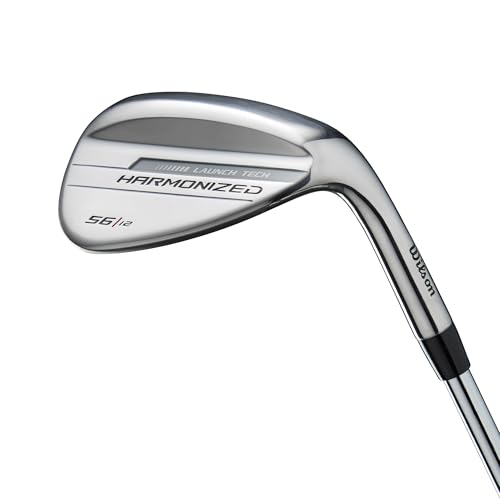
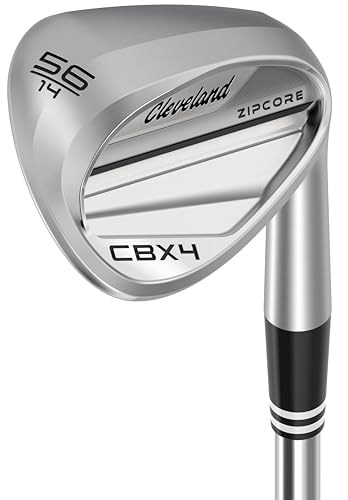
Here is the reason, and it is the whole argument for this page. Almost every complete set sold to a beginner stops at a pitching wedge, somewhere around 44 to 48 degrees. The shortest club in the bag is therefore still quite a long club, and the golfer is left trying to hit delicate 30-yard shots with it. The clubs that make those shots easy — a gap wedge at 50 to 52, a sand wedge at 54 to 56, a lob wedge at 58 to 60 — are sold separately, and most casual golfers never get around to buying one.
That makes a wedge an unusually good gift: it is a club the recipient is genuinely missing rather than a replacement for one they already chose. The Rules of Golf allow fourteen clubs, and a golfer with a boxed set is usually carrying eleven or twelve.
The one thing to check before you buy anything
Read the number stamped on the sole of their wedges. It is printed on the bottom of the club head, in large digits, and it is the loft. Take a photo of their bag if you can get near it.
What you are looking for is the gap. If the biggest number you can find is a 48, or the club is marked "PW", buy a 56 — that is the single most useful loft to give and it is the one this page leads with. If they already carry a 56, buy a 60 if they have nothing below it, or a 52 if the jump from their pitching wedge is the hole. If they are carrying three wedges already, close the tab and buy them a box of balls instead.
Hand matters too, and it is not optional. Wedges are built right-handed or left-handed, sold as separate listings rather than as a dropdown, and a left-handed golfer cannot use a right-handed wedge at all. Every pick on this page names the hand its listing is sold in. Handedness in golf does not reliably follow the writing hand, so find a photograph rather than assuming.
Cavity back or blade, which is most of the decision
Wedge heads come in two builds and the difference matters more than brand.
A cavity backhas the weight moved out to the perimeter of the head, leaving a hollow behind the middle of the face. The effect is forgiveness: a strike that misses the center of the face twists the head less and loses less distance. Cleveland's CBX line is the best-known version and it is the top pick here for exactly this reason.
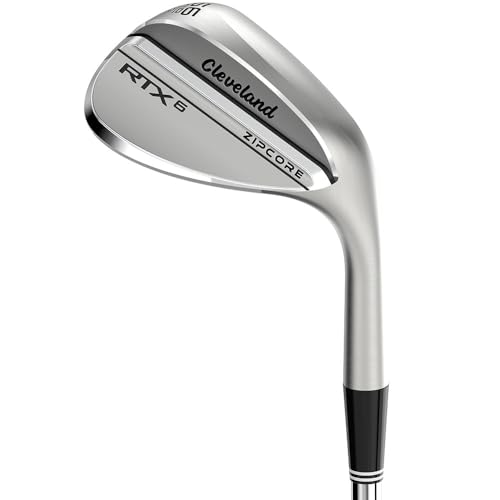
A blade has the weight behind the middle of the face. It gives a better player more feedback and more control over the face, and it punishes everybody else. The RTX pick on this page is the blade, and its skip reason says plainly who should not buy it.
For a gift, buy the cavity back unless you know they are good. The shots a wedge is used for are the ones taken when the round has already gone wrong, with an audience, from an awkward lie. Forgiveness is worth more there than feel.
Bounce and sole width: the spec nobody explains
Bounce is the angle between the sole of the club and the ground when it is sitting normally. More bounce means the leading edge sits higher, so the club skids through sand and soft turf instead of digging in. Less bounce suits firm ground and a shallow swing.
You almost certainly cannot find out which one the recipient needs, which is why the blade pick here is specified as Mid bounce: it is the version that works across the widest range of courses and sand types, and it is the right answer when somebody else is choosing.
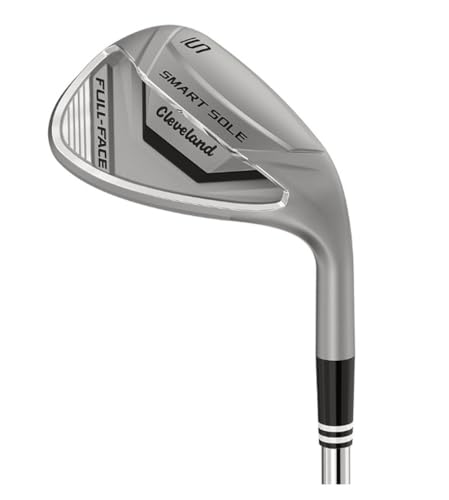
Sole width is the same idea taken further. The Smart Sole pick has a deliberately wide sole and grooves across the full face, which is a design aimed squarely at the golfer who takes three swings to get out of a bunker. If you have ever watched the recipient do that, it is the pick — and if they are a good player, it is the one to avoid, because a wide sole removes shots a skilled golfer wants available.
Steel or graphite, and flex
Wedge listings specify a shaft, and it matters less here than on any other club, because a wedge is swung at well under full speed. Steel is the default and gives a slightly firmer feel; graphite is lighter, which suits an older golfer or anyone who needed a lighter, softer build in the rest of the bag.
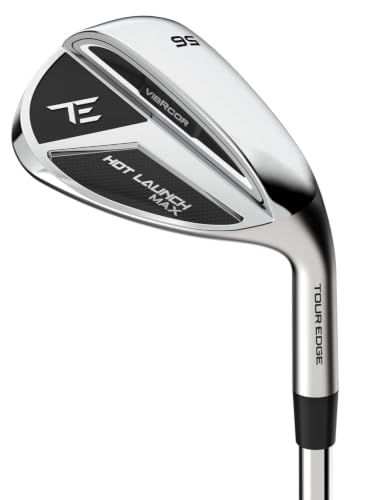
Flex is mostly a non-decision on a wedge — most are sold in a single wedge flex — and where a listing does state regular flex, as the Tour Edge pick does, that is the normal choice for an ordinary swing. Do not spend time on it. The loft and the hand are the two things that can make the gift unusable; nothing else on the spec sheet can.
Choosing by who you are buying for
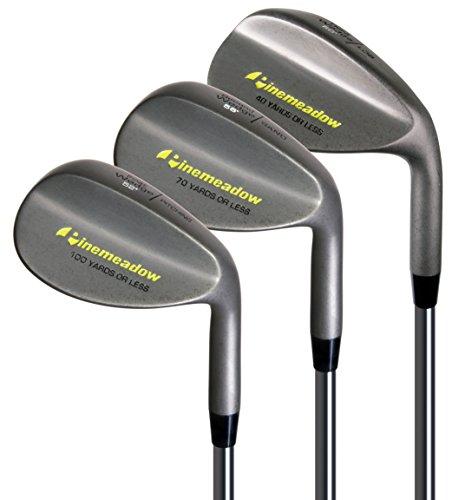
A golfer with a boxed set and no wedge below the pitching wedge. The clean case, and the most improvement per dollar on this site. Buy the 56-degree value pick, or the three-wedge set if you want to close the gap completely in one go.
A beginner who dreads bunkers. The wide-sole pick. It fixes the specific shot rather than adding a general club, and the difference is visible in one round. Beginner sets rarely include anything like it.
An older golfer. Graphite, and lower loft rather than higher — a lob wedge needs clubhead speed to work, and a 56 does more for a slower swing than a 60. The same logic drives our senior clubs page.
A good player. The blade, in Mid bounce, and only if you know for certain which loft is missing. If you are not certain, a good player is the one case where a gift card to a club fitter beats a club.
Somebody whose short game is a running joke. Honestly? Buy the wedge and something to practice with. A wedge improves the tool; a chipping target or an indoor green improves the golfer, and together they read as one thought-through present rather than a hint.
What we are not recommending
A full iron set.Fitted equipment, matched to a person's height, lie angle and swing. A wedge is a single club in a known loft; an iron set is a decision for the golfer and their pro.
A 64-degree lob wedge. They exist and they are sold cheaply. They also need real clubhead speed and a confident strike to do anything at all, and in most hands they produce a shot that travels four feet.
Premium tour wedges from a marketplace seller at an impossible price. Wedges are faked, and the tell is a flagship model at a fraction of its normal price. Everything here is a current listing from a maker that sells at this price deliberately.
Regripping, shortening or bending a wedge as part of the gift. All three are shop jobs that make the club unreturnable, and the recipient may want none of them.